What Drivers Should Know About NC Window Tint Laws
- Posted May 15th, 2026
- •
- Category: Window Tinting
Window tint is no longer part of North Carolina’s annual safety inspection process, but the legal standards for tint remain fully in effect.
A recent update to North Carolina’s window tint laws has left many drivers unsure about planned upgrades to their vehicles. While it’s no longer an add-on to your yearly inspection, tint is still regulated — and excessively dark aftermarket window tint can lead to a citation if you don’t have a proper medical waiver.
If you’re considering adding window tint to your vehicle, here’s what you need to know about the updated law and valid exceptions so you get the most from your investment.
Beyond Aesthetics: The Benefits of Window Tint
Many drivers are drawn to dark tint for its sleek appearance, but it can actually contribute to your vehicle’s resale value in several ways.
 Heat Rejection
North Carolina summers can make sitting in a parked car almost unbearable. High-performance window films are designed to reject a significant portion of solar heat, helping your vehicle stay cooler even in direct sunlight. That means less strain on your air conditioning system and a more comfortable driving experience.
UV Protection for You + Your Interior
Premium window tint can block up to 99% of harmful UV rays.
Over time, UV exposure can cause dashboards to crack, leather to fade, and upholstery to deteriorate. It can also lead to skin damage and increase your risk of certain cancers.
Tint helps protect your interior from UV rays while also reducing long-term exposure for drivers and passengers.
Reduced Glare
Bright sunlight and oncoming headlights can make driving uncomfortable and even hazardous. Tint softens that glare, improving visibility and reducing eye strain and fatigue so you stay safer on long drives.
Importantly, these benefits are primarily controlled by the quality and composition of the film, not the darkness of the tint. It’s a common misconception that a darker tint automatically means better heat rejection and UV protection. In fact, a premium ceramic tint can outperform a very dark dyed film, even while allowing more light to pass through.
How Have NC’s Window Tint Laws Changed?
The key difference in the recent legislative update is that drivers no longer have to pay an additional fee to have their window tint approved during yearly safety inspections.
That being said, window tint is still regulated. The change essentially means:
- Illegal tint will no longer cause a vehicle to fail inspection
- Inspection stations are no longer responsible for checking tint levels
- Enforcement has shifted primarily to the police
This update removes the inspection station as a checkpoint, but empowers law enforcement to issue citations to drivers with excessively dark tint.
Current NC Window Tint Laws (What’s Still Enforced)
Before you choose a film or an installer, it’s smart to understand what is and isn’t compliant with state laws.
Window tint is measured in VLT (visible light transmission). If your window tint is called into question, law enforcement will use a photometer to measure how much light can pass through your windows.
The lower the percentage, the darker the tint. For example, a window with 35% VLT allows 35% of light in, blocking the other 65%.
For Sedans
- Front side windows: 35% VLT
- Windshield: A non-reflective strip is allowed only above the AS-1 line (where the safety glass begins)
- Rear side windows: 35% VLT
- Rear window: 35% VLT
For SUVs, Trucks, and Vans
- Front side windows: 35% VLT
- Windshield: A non-reflective strip is allowed only above the AS-1 line (where the safety glass begins)
- Rear side windows: No specific VLT limit
- Rear window: No specific VLT limit
This distinction is why many SUVs and trucks often have darker rear glass straight from the factory.
Reflectivity Restrictions
North Carolina also limits how reflective your tint can be. Highly mirrored or metallic finishes that create excessive glare are not permitted.
Privacy Glass vs. Aftermarket Tint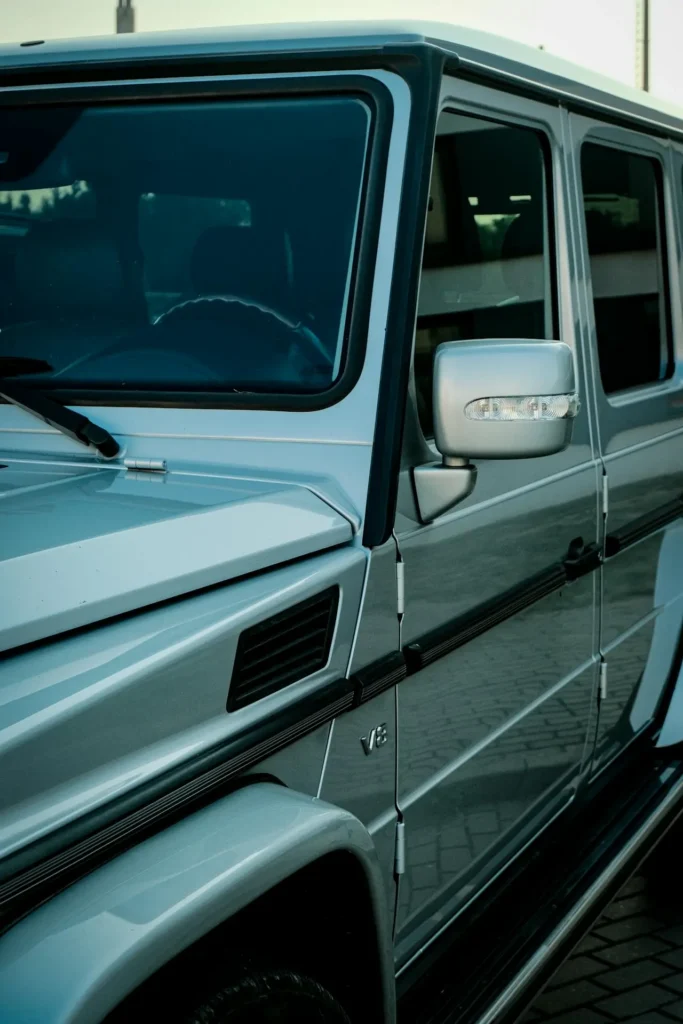
Because privacy is a big part of window tint’s appeal, many drivers assume that aftermarket tint and factory privacy glass are essentially the same.
The privacy glass on the rear windows of many trucks and SUVs is typically dyed during manufacturing, not covered in film. This dyed glass reduces visibility into the vehicle, but it doesn’t block heat or UV rays. Aftermarket window film, on the other hand, is engineered for heat and UV rejection.
For this reason, many drivers choose to add window tint over factory privacy glass, enhancing comfort and protection without dramatically changing the vehicle’s appearance.
Medical Waivers for Darker Tint
In certain circumstances, vehicles registered in North Carolina may be permitted to have window tint with less than 35% VLT. If you have a medical condition that makes you sensitive to light, you may qualify for a medical waiver.
To obtain a medical waiver:
- A licensed medical provider must complete the required documentation
- The form must be submitted to the NC DOT for review
- The state must approve the request before non-compliant tint can be installed
Drivers who qualify for a medical waiver should keep documentation in their vehicle in case of a traffic stop.
Choosing the Right Window Tint
With laws limiting how dark your tint can be, focusing on quality will help you enjoy its full benefits while still allowing in the right amount of light.
Dyed Film
As the least expensive option, dyed window film gives the “aesthetic” of tinted windows with very limited heat rejection and UV protection.
Its lifespan is relatively short (around three years), and it’s prone to peeling, bubbling, and turning purple with long-term exposure to the sun.
Metalized Film
Metalized films keep interiors cool by reflecting heat. Though they are generally considered more effective and durable than dyed film, they may interfere with electronics, satellite signals, and GPS.
Carbon Film
For drivers seeking a mid-tier option, carbon films have a durable finish that won’t fade or change color due to UV exposure. They work by absorbing, rather than reflecting, heat, so their cooling properties are limited compared to ceramic films.
Ceramic Film
Premium ceramic films are considered a best-in-class option, rejecting up to 95-98% of infrared heat and 99%+ of UV rays. They are engineered to appear seamless and enhance clarity, keeping your vehicle safe and sleek.
For drivers looking for long-term value, higher-end ceramic films offer a noticeable difference in both performance and durability that isn’t determined by the depth of the tint.
Staying Cool + Compliant
With NC inspection enforcement now removed, it’s more important than ever to choose an installer who understands North Carolina’s regulations and knows how to meet your needs without violating window tint laws.
The detailing experts at ATD are certified installers of XPEL Prime ceramic film, backing our work with both the manufacturer’s warranty and our personal guarantee.
Explore our window tint simulator or reach out to discuss your best options for enhancing your vehicle’s comfort and appearance without risking a citation.