919-760-6420

XPEL, LLumar, and Ceramic Pro all offer high-performance window tint and paint protection film. While they differ somewhat in their levels of optical clarity, heat rejection, and warranty coverage, installation quality is often a stronger determinant of satisfaction than brand. 

If you’re in the process of researching paint protection film (PPF) or window tint, it’s smart to begin by identifying your top priorities. For most drivers, the right choice comes down to three things:

Here’s a practical look at what separates premium tint and film products, and what to consider when choosing between brands like XPEL, LLumar, and Ceramic Pro.

Comparing XPEL, LLumar, and Ceramic Pro at a Glance

While every product line has its own strengths, all three leading brands operate in the premium segment of the automotive film market. The best choice will depend on your individual wants and needs, as well as your access to a qualified installer.  

Feature  XPEL (Prime window film /Ultimate PPF) LLumar (IRX window film/Valor PPF) Ceramic Pro (KAVACA window film and PPF)
Primary Strength Unrivaled heat rejection & clarity Reliability & value High gloss & self-healing
Window Tint Heat Rejection (IRR) Extremely High (up to 98%) Very High (up to 91-95%) High (Similar to LLumar)
PPF Thickness ~7.6 – 8.0 mil ~8.0 mil  ~8.5+ mil
Manufacturer Warranty Transferable lifetime warranties available on many products Non-transferable lifetime warranties available on many products Approx. 12 years. Coverage varies by installer and product
Film Clarity Excellent, with superior matte and satin finish options Outstanding High gloss and reduced “orange peel” appearance
Installation Moderate difficulty Easier installation with a properly certified dealer Significant experience required
Price Point Premium  Moderate to premium  Premium 

What Matters Most in Window Tint and PPF

Different drivers have different goals for their automotive film. To make an informed choice, it helps to understand what qualities make a film perform well over time. 
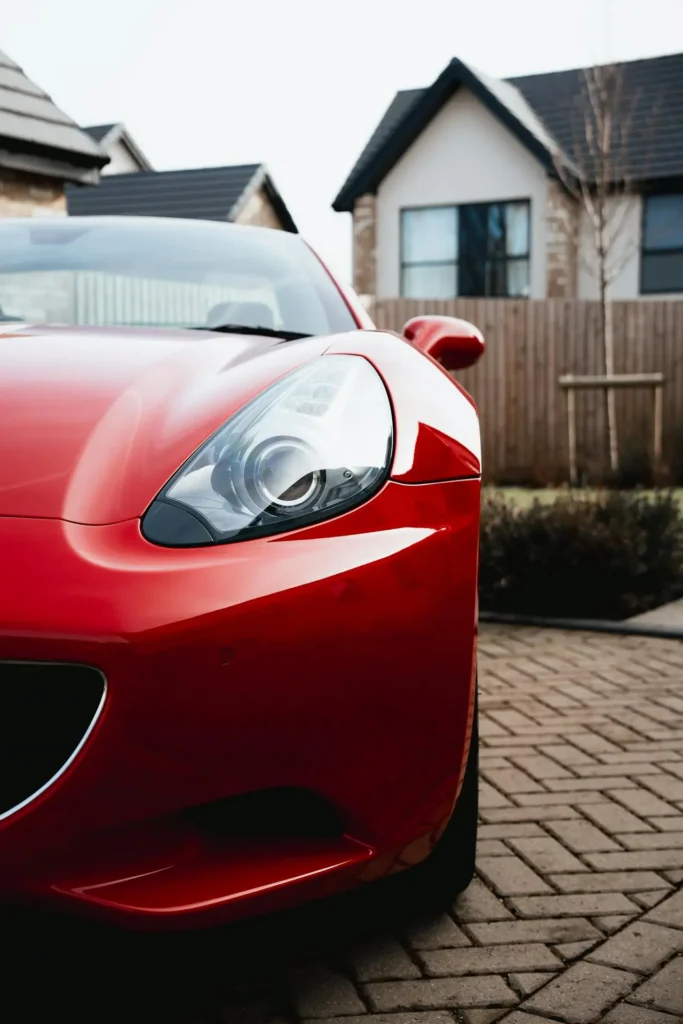
Red sports car protected with film from XPEL, LLumar, or Ceramic ProHeat Rejection

Infrared heat rejection is one of the most important attributes of window film. Higher-quality ceramic tint can significantly reduce cabin heat, making your vehicle more comfortable during North Carolina summers while helping reduce strain on your A/C system.

Premium films from brands like XPEL, LLumar, and Ceramic Pro are all designed to block substantial amounts of infrared heat and UV radiation. Depending on the product line, some films can reject well over 90% of infrared heat while also protecting interiors from fading.

Optical Clarity

While lower-end products can sometimes appear hazy, overly reflective, or distorted from certain angles, high-end ceramic tints and PPF are engineered for optical clarity. Look for films that appear sheer and seamless when properly installed, especially if aesthetics are one of your top priorities. 

Your desired finish may also impact your choice. Ceramic Pro, for example, is known for a high-gloss look, while XPEL is often sought after for matte and satin options. 

Self-Healing Technology

Modern paint protection film has evolved dramatically over the last decade. Many premium PPF products now feature self-healing top coats that help minimize the appearance of light scratches and swirl marks when exposed to heat.

This useful feature can help preserve the finish of high-end vehicles, daily drivers, and weekend cars alike.

Durability

Film thickness is a factor that contributes to impact protection, but thickness alone doesn’t determine quality. 

The adhesive system, top coat design, flexibility, and installation precision all contribute to better resistance against rock chips and road debris, particularly on high-impact areas like bumpers, hoods, mirrors, and rocker panels.

Warranty Terms

Warranty length and coverage terms vary between manufacturers. Some warranties are transferable, while others are limited to the original owner. Understanding what is actually covered, including yellowing, bubbling, cracking, discoloration, and installation defects, can make a meaningful difference over time. 

Installer Skill

Even the best film on the market can perform poorly if it’s installed incorrectly. When it comes to premium films, dust contamination, poor edges, visible seams, lifting, and premature failure are more likely to be installation issues than product issues.

An experienced installer with a well-equipped shop makes all the difference in the end result and may even determine eligibility for warranty coverage. Make sure your detailer is a certified installer of the brands they represent — XPEL makes it simple to verify your installer’s status online. 

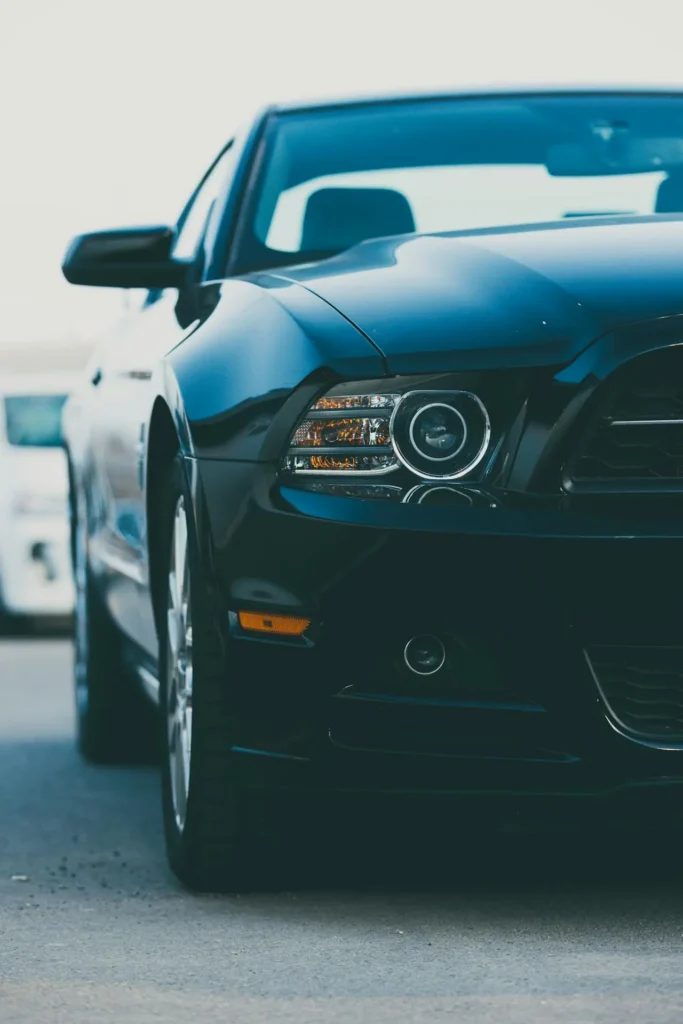
Questions to Ask Before Choosing Automotive FilmBlack car with tint and window film by XPEL, LLumar, or Ceramic Pro
Comparing high-end films isn’t always straightforward. Instead of focusing exclusively on brand names, it’s a good idea to vet your installer’s experience and product knowledge. 

Come ready with questions like:

The answers to these questions will often tell you more than broad marketing claims alone. 

Why Quality Installation is Priority One

Brand attributes matter, but keep in mind:  A properly installed mid-tier film can easily outperform a badly installed ultra-premium competitor. 

Automotive films require precision techniques and controlled shop conditions to maximize longevity, clarity, and appearance. Experienced shops invest heavily in technician training, cutting software, prep procedures, and quality control because these details are so important for a brilliant end result. 

Regardless of the film you choose, opting for a qualified, certified installer is one of the best ways to ensure the biggest return on your investment. 

Find the Right Solution for Your Vehicle

The right film should fit your driving habits, aesthetic preferences, and long-term goals. For some drivers, that means prioritizing infrared heat rejection on daily highway commutes. For others, it means preserving a showroom-quality finish for years to come.

The detailing team at ATD  can help you compare options honestly, explain the differences between product lines, and recommend automotive films that make sense for your vehicle and budget. 

Reach out to start exploring solutions that will get you where you want to go. 
Window tint is no longer part of North Carolina’s annual safety inspection process, but the legal standards for tint remain fully in effect.

A recent update to North Carolina’s window tint laws has left many drivers unsure about planned upgrades to their vehicles. While it’s no longer an add-on to your yearly inspection, tint is still regulated — and excessively dark aftermarket window tint can lead to a citation if you don’t have a proper medical waiver. 

If you’re considering adding window tint to your vehicle, here’s what you need to know about the updated law and valid exceptions so you get the most from your investment. 

Beyond Aesthetics: The Benefits of Window Tint

Many drivers are drawn to dark tint for its sleek appearance, but it can actually contribute to your vehicle’s resale value in several ways.

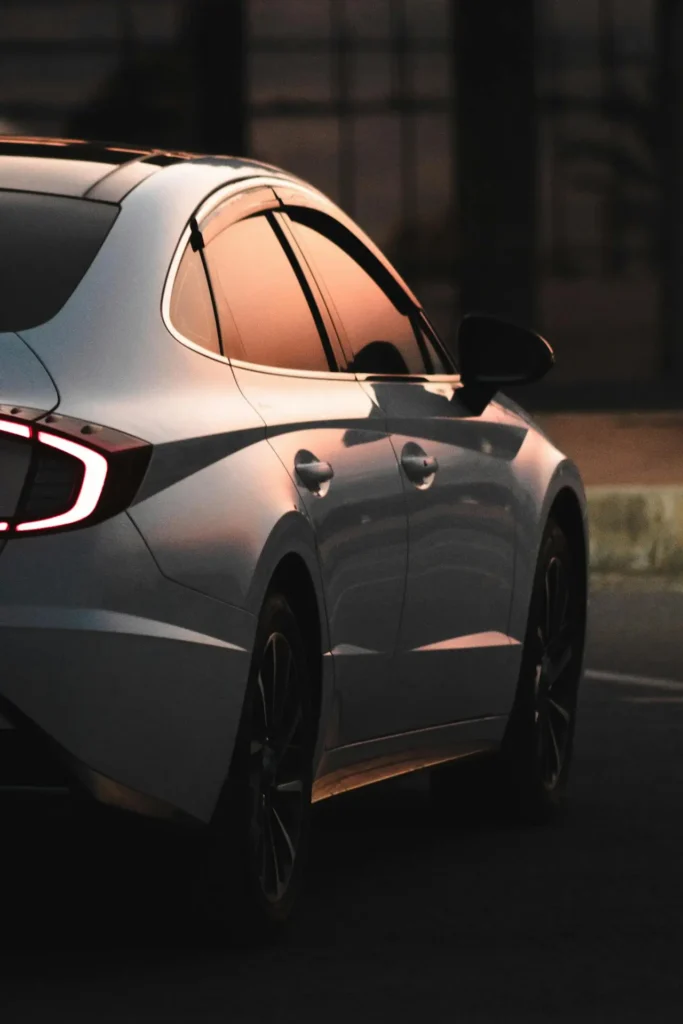
Sedan with aftermarket window tintHeat Rejection

North Carolina summers can make sitting in a parked car almost unbearable. High-performance window films are designed to reject a significant portion of solar heat, helping your vehicle stay cooler even in direct sunlight. That means less strain on your air conditioning system and a more comfortable driving experience.

UV Protection for You + Your Interior

Premium window tint can block up to 99% of harmful UV rays. 

Over time, UV exposure can cause dashboards to crack, leather to fade, and upholstery to deteriorate. It can also lead to skin damage and increase your risk of certain cancers. 

Tint helps protect your interior from UV rays while also reducing long-term exposure for drivers and passengers.

Reduced Glare

Bright sunlight and oncoming headlights can make driving uncomfortable and even hazardous. Tint softens that glare, improving visibility and reducing eye strain and fatigue so you stay safer on long drives. 

Importantly, these benefits are primarily controlled by the quality and composition of the film, not the darkness of the tint. It’s a common misconception that a darker tint automatically means better heat rejection and UV protection. In fact, a premium ceramic tint can outperform a very dark dyed film, even while allowing more light to pass through. 

How Have NC’s Window Tint Laws Changed?

The key difference in the recent legislative update is that drivers no longer have to pay an additional fee to have their window tint approved during yearly safety inspections. 

That being said, window tint is still regulated. The change essentially means: 

This update removes the inspection station as a checkpoint, but empowers law enforcement to issue citations to drivers with excessively dark tint. 

Current NC Window Tint Laws (What’s Still Enforced)

Before you choose a film or an installer, it’s smart to understand what is and isn’t compliant with state laws. 

Window tint is measured in VLT (visible light transmission). If your window tint is called into question, law enforcement will use a photometer to measure how much light can pass through your windows. 

The lower the percentage, the darker the tint. For example, a window with 35% VLT allows 35% of light in, blocking the other 65%.

For Sedans

For SUVs, Trucks, and Vans

This distinction is why many SUVs and trucks often have darker rear glass straight from the factory.

Reflectivity Restrictions

North Carolina also limits how reflective your tint can be. Highly mirrored or metallic finishes that create excessive glare are not permitted.

Privacy Glass vs. Aftermarket TintJeep with tinted windows

Because privacy is a big part of window tint’s appeal, many drivers assume that aftermarket tint and factory privacy glass are essentially the same. 

The privacy glass on the rear windows of many trucks and SUVs is typically dyed during manufacturing, not covered in film. This dyed glass reduces visibility into the vehicle, but it doesn’t block heat or UV rays. Aftermarket window film, on the other hand, is engineered for heat and UV rejection. 

For this reason, many drivers choose to add window tint over factory privacy glass, enhancing comfort and protection without dramatically changing the vehicle’s appearance.

Medical Waivers for Darker Tint

In certain circumstances, vehicles registered in North Carolina may be permitted to have window tint with less than 35% VLT. If you have a medical condition that makes you sensitive to light,  you may qualify for a medical waiver. 

To obtain a medical waiver:

  1. A licensed medical provider must complete the required documentation
  2. The form must be submitted to the NC DOT for review
  3. The state must approve the request before non-compliant tint can be installed

Drivers who qualify for a medical waiver should keep documentation in their vehicle in case of a traffic stop.

Choosing the Right Window Tint

With laws limiting how dark your tint can be, focusing on quality will help you enjoy its full benefits while still allowing in the right amount of light. 

Dyed Film

As the least expensive option, dyed window film gives the “aesthetic” of tinted windows with very limited heat rejection and UV protection. 

Its lifespan is relatively short (around three years), and it’s prone to peeling, bubbling, and turning purple with long-term exposure to the sun. 

Metalized Film

Metalized films keep interiors cool by reflecting heat. Though they are generally considered more effective and durable than dyed film, they may interfere with electronics, satellite signals, and GPS. 

Carbon Film

For drivers seeking a mid-tier option, carbon films have a durable finish that won’t fade or change color due to UV exposure. They work by absorbing, rather than reflecting, heat, so their cooling properties are limited compared to ceramic films. 

Ceramic Film

Premium ceramic films are considered a best-in-class option, rejecting up to 95-98% of infrared heat and 99%+ of UV rays. They are engineered to appear seamless and enhance clarity, keeping your vehicle safe and sleek. 

For drivers looking for long-term value, higher-end ceramic films offer a noticeable difference in both performance and durability that isn’t determined by the depth of the tint.

Staying Cool + Compliant

With NC inspection enforcement now removed, it’s more important than ever to choose an installer who understands North Carolina’s regulations and knows how to meet your needs without violating window tint laws.

The detailing experts at ATD are certified installers of XPEL Prime ceramic film, backing our work with both the manufacturer’s warranty and our personal guarantee. 

Explore our window tint simulator or reach out to discuss your best options for enhancing your vehicle’s comfort and appearance without risking a citation. 

There are plenty of reasons why automotive enthusiasts seek out window tinting for their vehicles. In addition to looking great, dark windows keep your car cooler on hot days and prevent the sun from damaging seats and fixtures.

What drivers often fail to consider is that the same UV rays that can bleach your interior can also wreak havoc on your skin. High-quality window tinting is more than a style choice — it’s an excellent first line of defense against one of the most common kinds of cancer.   

Left side face aging due to skin cancer from driving without tinted windows

Source: https://www.cbsnews.com/news/trucker-accumulates-skin-damage-on-left-side-of-his-face-after-28-years-on-the-road/

Can You Sunburn While Driving?

You may be fastidious about sun protection at the park or on the beach, but most of us don’t consider it in the car. 

While sunburning with the windows rolled up is pretty rare, that doesn’t mean that your skin isn’t taking damage. This is because there are two types of UV radiation, the light spectrum responsible for most skin cancers. 

Most automotive glass filters UVB rays but not UVA, leaving many people completely unaware of the effect the sun has had during their commute. Unfortunately, the absence of a burn doesn’t mean that you’re protected in the car.

Skin Cancer is on the Rise

The Skin Cancer Foundation estimates that 1 in 5 Americans will develop some form of skin cancer before age 70. 

An estimated 90% of all skin cancer cases are caused by sun damage. What’s more, researchers have noticed an increased prevalence in left-side skin cancers associated with UV exposure while in the driver’s seat. With the average American spending about an hour inside a vehicle each day, prioritizing UV protection inside your car can have a huge impact on your overall risk.

How Window Tinting Blocks UV RadiationSUV with tinted windows to prevent skin cancer

Depending on the variety you choose, window tint film filters, absorbs, or reflects UV rays so they don’t enter your vehicle. There are several common varieties:

Choose Quality Window Tinting

ATD offers XPEL Prime Automotive Window Film because the ceramic particle technology provides top-of-the-line UV protection and heat rejection without interfering with visibility. 

Because not all varieties of window tint offer the same level of protection, it’s important to consult with a knowledgeable automotive detailing specialist before deciding which variety is right for you and your vehicle. 

Try Our Window Tint Simulator

Curious about window tinting? Try it on!

ATD’s window tint simulator can help you visualize different window tint options before you commit. Check it out, or visit our lobby to browse tint samples and see how sun protection can upgrade the look of your vehicle. 


When the sun beams through your windshield on your morning commute, don’t be a victim of streaky glass!

Streaks and smudges aren’t just unsightly — they can obscure your vision and present a serious safety issue. Just like good washing techniques are important for the body of your automobile, properly cleaning your car’s windows will ensure a crystal-clear end result.

Here are a few tips from the pros on how to achieve sparkling automotive glass.

1. Choose the right cleaning products for cars.

While it may be tempting to repurpose household products for your car’s windows, differences in their formulation will cause streaking.

Unlike Windex and similar products, automotive glass cleaners don’t contain ammonia or other harsh chemicals that can damage paint and film. Instead, they are typically made with isopropyl alcohol and special surfactants that are designed to dry without leaving streaks behind.

Ditch the paper towels and shop rags — pair a quality cleaner with a lint-free microfiber cloth for best results.

2. Use good window cleaning techniques.Man cleaning car windows to make sure there are no streaks

Taking time to be a bit methodical can make all the difference in the clarity of your automotive glass.

We recommend working in three steps:

  1. Start by wiping the surface of the glass with a dry microfiber cloth to remove any pollen or dust. This ensures that you avoid scrubbing small particles of grime into your windows or making a streaky mess once you add the glass cleaner.
  2. Spray on a good quality automotive glass cleaner, and wipe the surface with a clean microfiber cloth. If you’re dealing with stubborn debris like bird droppings or bug splatter, concentrate the cleaner on that area and allow it to dissolve for a moment before applying some additional pressure where it’s needed.
  3. Finally, use a third clean, lint-free microfiber cloth to buff the surface dry. Be sure to remove any excess cleaning solution

Repeat these steps for the interior side of your windows and windshield.

3. Keep your work area small.

Tackle your cleaning project one window at a time. Applying cleaner only to the area you’re working on will keep it from running down onto your paint or interior surfaces, or from drying before it can be wiped.

Use an up-and-down motion rather than rubbing in circles, and clean glass from top to bottom for best results.

Don’t forget the very top of your side windows — roll them down a few inches to clean them so you aren’t startled by streaks while out on the road.

car window with cleaning products to help prevent streaks and protect window tint4. Protect your window tint.

Window tint has many benefits, from keeping your car’s interior nice and cool to protecting your upholstery. Drivers who invest in window tint should be especially meticulous about how they clean their automotive glass to prevent damaging the film.

Ammonia-based cleaners can erode window tint, and abrasive tools or dirty wash rags can scratch the film or lift its edges. It’s also important to be aware of your warranty terms when choosing glass cleaners. Your manufacturer may recommend particular products that are specifically formulated to extend the life of your window tint, while certain unauthorized products may void your warranty.

Get help from the pros.

Want spotless results without all the elbow grease?

The automotive detailing specialists at ATD are here to take the guesswork out of maintenance care. With detailing package options to suit any need and budget, we offer meticulous hand washing and drying for a streak-free shine that turns heads.

If you’re in the process of purchasing a new vehicle from a dealership, you can probably expect your salesman to discuss your options for getting paint protection and window tint installed onsite. 

It’s hard to deny the convenience — many dealerships offer to handle your installation and roll the cost into your financing so it doesn’t feel like a separate expense. While this may seem like a fantastic deal at first glance, dealer-installed paint protection isn’t always what it seems. Here are a few important things to consider when deciding how you’ll protect your vehicle’s interior and exterior from wear and tear out on the road. 

ppf and window tint done at auto dealershipCompare the Cost of Dealer-Installed PPF, Ceramic, and Window Tint

Adding these services into the price of your new car may seem to simplify things, but often at a hefty cost. If your dealer offers in-house paint protection or window tint, ask for an itemized breakdown of the products and labor.

Compare their prices to automotive detailers in your area, and you’re likely to find that costs have been significantly inflated to allow for more profit on the dealership’s side. 

Know the Common Pitfalls

Not only does dealer-installed paint protection tend to cost more, but differences in their methods of installation can sometimes lead to inferior results. If you’re considering letting your salesman arrange your window tint or PPF, it’s important to ask the right questions to ensure that you’re comfortable with the risks. 

Third-Party Contractors

Typically, dealerships hire third-party contractors to apply film and coating to your new vehicle after it arrives on the lot but before you take your delivery. Customers who don’t ask specific questions about the installation process might be surprised to learn that it’s not uncommon for a dealership representative to drive their new car to an installer and leave it there for days waiting for service. 

Because drivers who choose dealership installation don’t personally choose their installer, it’s not possible to verify the credentials and experience of the technician doing the work. 

Furthermore, the installers that dealerships contract with are typically paid on a per-vehicle basis. The pressure to complete as many installations as quickly as possible often comes through in your results. 

Lower Quality Filmscar with dealer-installed paint protection

High-quality brands of PPF have proprietary plotting software and aftercare products that are designed to work with them for optimal, long-lasting results. 

Unlike professional detailers who are officially affiliated with reputable brands like XPEL, dealerships don’t own the film. Their installers typically aren’t employees of the dealership itself, meaning it’s impossible to guarantee what type of film or coating is actually being applied to your car. It’s not unheard of for unscrupulous installers to use the film that they have on hand and pass it off as premium without the consumer’s knowledge. 

What about window tint? Dealerships usually apply carbon-dyed window tint film as opposed to the higher-grade ceramic films found in reputable privately owned detailing shops. These lower-quality films may be good for profit margins, but they’re bad news for drivers who want to maximize the life of their car’s interior. 

Warranty Risks

The possibility that a careless installer may use what they have on hand to complete the job is risky for two reasons: 1) Films and coatings are chemically formulated to work best with their own line of sealants and aftercare products, and 2) Mixing different brands and formulations can void your paint protection’s warranty. 

If you want to protect your investment, it’s crucial that you are aware of the manufacturer’s terms and conditions. Typically, this involves using a certified installer and adhering to their list of recommended products, both of which are difficult to guarantee when work is outsourced to a third party. 

Protect your investment by choosing an auto detailing specialist.

Reputable automotive detailers take pride in their work, and they have the credentials to prove it. 

Choosing an independent shop not only saves you from artificially inflated dealership prices — it gives you results you can trust and recourse in the event that something goes wrong after your installation. 

Paint protection is an important investment in the life of your vehicle. Take time to verify your installer’s certification status, do your warranty research, and ask questions to choose the right detailer. 

Technologies in the paint protection film, ceramic coating, and window tint industries are advancing all the time — and opportunities to earn a living and create an exciting career only keep expanding. 

If you are a recent high school graduate (or just looking for a change), you may be wondering how to get started on the path to becoming a professional automotive detailer. Fortunately, reputable paint protection (PPF) and window tint installation companies are always on the lookout for hardworking, eager-to-learn trainees. Here’s how to get a foot in the door and learn the industry from the ground up. 

entry level window tinting careerHow to Become an Automotive Detailer

In any career field, seasoned professionals have to start by learning the fundamentals. 

All vehicles require proper cleaning and preparation prior to film and coating installation, and many future technicians begin their journey by learning how to thoroughly prep surfaces for tint and paint protection. Starting with the basics allows apprentices to learn about the chemicals used in installation and other tools of the trade under the guidance of master technicians. 

Once you have mastered an entry-level position and demonstrated a commitment to the profession, your employer will likely be more open to sponsoring your formal training at an outside installation certification facility. It’s also possible to finance your own certification if you have the funds and a few years to devote to training, but be aware that this is the more costly option.

It can take many hours of practice to become a certified installer and this education can be quite expensive, so previous on-the-job training can pay dividends at this stage of your career.  If you’re given the opportunity to learn from a seasoned installer and utilize their connections within the industry for top-of-the-line training,  you’ll establish a more direct and affordable path to certification.

Once you complete the training programs, you’ll need to work under a reputable installer to gain experience and improve your marketability as a professional. With patience, passion, and hard work, you can build your portfolio and establish yourself as a sought-after installation technician. 

What Makes a Good PPF or Window Tint Installer?automotive detailing trainee

As the name suggests, the automotive detailing industry is best suited for those with an eye for detail. A career as a technician may be great for you if you’re:

How Much Do Professional Automotive Detailers Make?

Pay for new automotive detailers-in-training is comparable to typical service industry entry-level wages. However, future technicians generally consider this stage of their career as an opportunity to access free education and potentially have their certification sponsored by their employer. 

As you grow in your field and apply your new skills, your compensation will increase. Properly certified, established professionals can expect an annual gross income between $70K to $100K depending on their location and the quality of their work.

Learn More About the PPF and Window Tint Industries

If you’re interested in automotive detailing, learning more about the industry can help you determine if this career is right for you. 

Ask working technicians about their experience in the field, and take advantage of online resources. XPEL expert Marco Cazorla, aka “The Film Trainer” produces a blog filled with insider information about the window tint industry from a professional’s perspective — dive in and get a more complete picture of a day in the life of an automotive detailer. 

Interested in an Automotive Detailing Career?

Are you passionate about the automotive industry? ATD would love to help you get started on your path as a PPF, ceramic coating, or window tint installer. 

Reach out to learn more about our current opportunities and requirements.


Everyone wants a car that turns heads, but a well-maintained interior is crucial for drivers who want to truly enjoy their vehicle. 

Clean, conditioned seats and consoles don’t just add a sense of luxury; they are an important component of your car’s overall resale value. Whether your interior is leather, cloth, or vinyl, routine maintenance can ensure that your vehicle’s inside stays as beautiful as its outside as the miles roll on. 

car interior red1. Choose the right products.

Make sure the cleaners and conditioners you’re using to spruce up your car’s interior are formulated for that purpose. Resist the temptation to reach for household cleansers – harsh chemicals can scratch, fade, stain, or dry out surfaces. 

Protect your dash and console by using a microfiber cloth to easily lift dust and grime. Excessive scrubbing with coarse cleaning tools can unintentionally grind these particles into surfaces, leaving small scratches that will dull their luster. 

2. Invest in window tinting.

Prolonged exposure to direct sunlight is your interior’s worst enemy. UV rays can break down both natural and synthetic fabrics at a particulate level. Over time, car owners will start to notice:

This deterioration is often particularly noticeable because it doesn’t affect all surfaces evenly. 

Window tinting adds a layer of heat-repelling polymer to your vehicle’s glass. The film blocks harmful radiation and helps reduce the temperature fluctuations that cause your interior to expand and contract during warmer months. 

3. Get organized.bmw car interior

Life happens in your car. Even the most meticulous vehicle owners will face the challenge of keeping essentials in place and containing trash. 

Automotive organizers are fantastic for preventing items from shifting during travel and blocking gaps between seats and floors or consoles where things tend to get lost. Even if you avoid eating and drinking in your vehicle, it’s smart to have a solution for trash at the ready. Lidded car trash cans are a sleek, hygienic solution for keeping small bits of garbage from winding up under your seats.

4. Mind the details.

It’s called “detailing” for a reason. Attention to the small cracks and crevices makes a tremendous difference in the overall appearance of your car’s interior. 

Choosing the correct, minimally abrasive tools for cleaning each fixture is key for getting brilliant results while avoiding damage. In addition to your own efforts, it’s a good idea to schedule periodic professional detailing services for deep cleaning that’s easy to maintain. 

5. Commit to a regular detailing schedule.

You may already recognize the role that routine washing plays in maintaining your car’s exterior. Make time for the total care of your vehicle by including interior detailing in these sessions. 

As a car owner, regular cleaning and conditioning keep deteriorating at bay and give you an important opportunity to inspect your vehicle for rips, spills, or other issues that can worsen over time. Addressing messes right away will keep your vehicle feeling like new and the maintenance process quick and simple. 

Contact us to start a regular detailing schedule for your vehicles.


Aftermarket window tint is a thin film made of heat-rejecting polymers. A high-quality film acts as a barrier to the sun’s rays, blocking up to 99% of infrared heat from entering your vehicle through its windows. 

Window tinting does more than give your added privacy inside your vehicle – it’s an investment in your overall ownership experience. If you’re considering adding an aftermarket tint to your automobile, here are some added benefits that may surprise you. 

car tinted windowsProtect your car’s interior.

Whether your car’s interior is cloth, vinyl, or leather, long-term exposure to the sun’s rays can wreak havoc on your seats and fixtures. 

UV light breaks down these surfaces on a particulate level, causing them to discolor, deteriorate, and crack. Window tinting repels the vast majority of damaging rays, extending the life of your interior.

Window tint can even help save your skin from UV exposure inside your vehicle. Shielding yourself from the sun during your commute can actually reduce the risk of skin cancer in drivers and passengers. 

Beat the heat.

Professional window tinting can reduce the internal temperature of your car by up to 45% – a tremendous difference on a hot summer day.

It’s no surprise that a cooler interior makes a long trip a lot more enjoyable, but many drivers might be surprised to learn that this comfort translates into savings at the pump. 

Window tinting makes it easier to dial back the AC. Drivers who don’t need to blast the air conditioning to regulate their car’s temperature will see a noticeable improvement in gas mileage. 

Stay safer on the road.

Rear-end collisions account for 29% of all accidents. Anyone who has ever been blinded by the sun during their morning commute understands just how quickly a compromised view of the road can lead to disaster. Tinted windows reduce dangerous glare to prevent collisions. 

Window tinting goes a step further to help keep drivers safer. In the event of an accident that shatters your car’s windows orcar with tinted windows windshield, the film can help hold the broken glass in place.

Give your vehicle a sporty look.

There’s no denying that tinted windows have the cool, sharp aesthetic that many car enthusiasts crave. 

Professionally-installed window tint offers a sleek, consistent look that resists scratching or fading without interfering with your cell phone signal, keyless entry system, or radio. 

Window tinting makes it even easier to love the look of your car, but it’s about so much more than looks. Aftermarket tinting has been shown to improve your vehicle’s resale value when the time comes to trade in. Prospective buyers will appreciate your investment in safety, comfort, and style. Visit our Garner, NC facility to browse samples or check out our Tint Simulator HERE.


Window Tinting is one of those additions to your vehicle that most people think is completely superficial. However, you might be surprised that tinting your windows not only helps to protect your interior but also the safety of your passengers.

Don’t let the cool look of tinted windows fool you, yes it looks good, but it also protects your investment. There are many, but here are the top 5 reasons you should call today to get your car in the shop and tint your windows.

Raleigh NC Window Tinting BMW

1) Aesthetic & Resale Value – Tinting your windows  not only elevates the aesthetic value of your vehicle, it also can increase the resale value!

2) Protection from UV rays and glare – As we all know being here in North Carolina, sun is a constant factor in almost everything that we do. The UV rays from the amazing sun that’s always shining here comes through your windows and can affect your health even though it’s not direct contact. UV rays can cause cancer and not to mention the glare can become too much and honestly, sunglasses aren’t enough.

3) Saves your interior – Because there are less environmental factors entering your car, this saves your interior which saves money on maintenance. Leather, plastic and cloth can become faded and damaged from the amount of sun we get here in Raleigh, NC. Tinting your windows is an amazing way to protect your interior from getting damaged in the first place.

4) Protect your valuables – This is especially important if you park on the street or when you leave your vehicle in a parking lot. People passing by your vehicle, especially if it’s a nice vehicle, will sometimes want to stop and take a look inside. They can’t do this if they can’t see inside. This protects any valuables that you might keep in your car.

5) Keep your car cool – Ever get in your car in the summer and it’s like opening an oven door? Don’t worry about that anymore when you decide to tint your windows. By blocking the UV rays you’re also blocking the heat from getting into your car, which can be everything when temperatures really start to get up there.

We are proud to offer Xpel Prime XR and XR Plus. XPEL films offer the benefits of Window Tinting and have a lifetime guarantee to not crack, fade, peel or delaminate. Stop by our Garner, NC facility or check out our Tint Simulator HERE.

Call today to protect your investment, and your loved ones.