919-760-6420

Do you love your car, but you’ve lost that fresh-off-the-showroom-floor feeling? 

Regular detailing is always important, but keeping your car looking new goes beyond occasional washes and waxes. Attention to the finer details that many drivers overlook can make a tremendous difference in the appearance and value of your vehicle. 

Here are a few often-forgotten maintenance tips that can turn back the clock and make your car the envy of the cruise in (or the carpool lane). 

keeping cars looking new with home detailing1. Restore Foggy Headlights

Few things age a vehicle faster than cloudy, yellowed headlights. Not only do they dull your shine, but they also reduce visibility and increase your risk of nighttime accidents. 

There are a number of temporary solutions available to drivers who want to restore their headlights, but professionally applied ceramic coating is the best option for long-lasting clarity. 

2. Apply Paint Protection

What ceramic coating does for your headlights, it can also do for your entire vehicle. Protective options like ceramic coating and paint protection film (PPF) create an invisible layer between your paint and hazards like:

Whether you opt for ceramic coating, PPF, or both, professional paint correction can erase any existing scratches and swirl marks, ensuring that your protection lays perfectly over a pristine paint job.

3. Clean and Condition Plastic Trim

It’s easy to overlook during a regular home wash but faded, brittle, or filmy plastic trim can steal the sparkle of an otherwise well-maintained vehicle. 

cleaning wheel wells to keep car looking new

Plastic outer components take a beating from frequent sun exposure, and improper washing techniques can leave them covered in unsightly water spots. A high-quality trim restorer can help bring back that deep black color, prevent damage, and keep these components looking sleek and sharp. 

4. Don’t Ignore Door Jambs and Wheel Wells

While often overlooked, door jambs and wheel wells collect dirt, grease, and grime over time. Neglecting these areas can prevent your car from looking truly “clean,” despite your careful attention to detail elsewhere. 

Hit these areas during each wash, taking care that you don’t accidentally transfer abrasive grit to other parts of your car. 

5. Maintain Your Interior and Upholstery

Sometimes thorough vacuuming just isn’t enough. Dry, cracked leather and worn fabric can make your car feel old, even if the exterior looks pristine. 

This sort of damage is difficult to reverse once it has begun, so prevention is essential. Clean and condition leather seats to prevent cracking and fading. For cloth interiors, use fabric protectants to guard against stains and spills. 

The true natural enemy of your car’s interior is UV damage, so investing in window tinting is the ultimate line of defense against sun bleaching and desiccation. A cool, shaded interior will keep your seats and console looking fresh and new for years to come, protecting your ROI from the inside out. 
When you entrust your car to a professional auto detailing shop for paint protection film (PPF), ceramic coating, or window tinting services, installer expertise is a top priority. However, what many drivers fail to consider until they have already dropped off their vehicle is whether or not the facility is safe and secure. 

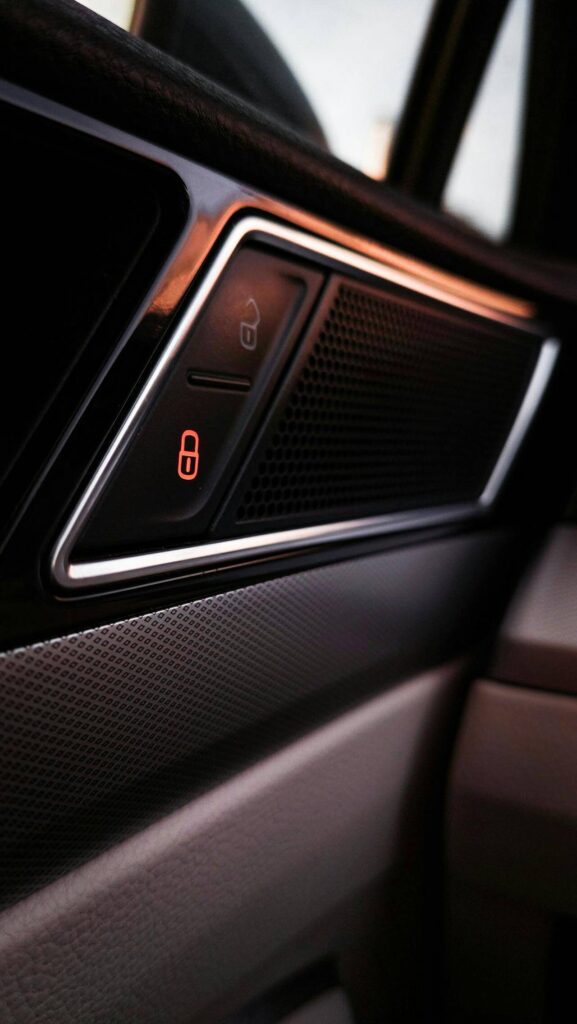
car locked for security at detailing shopWhether you’re servicing an exotic car or your daily driver, take no chances with your investment by choosing a detailing shop that specializes in paint protection as well as protecting your vehicle itself.  Here is what to look for before you schedule your next service. 
Choose a Detailer With Monitored Security

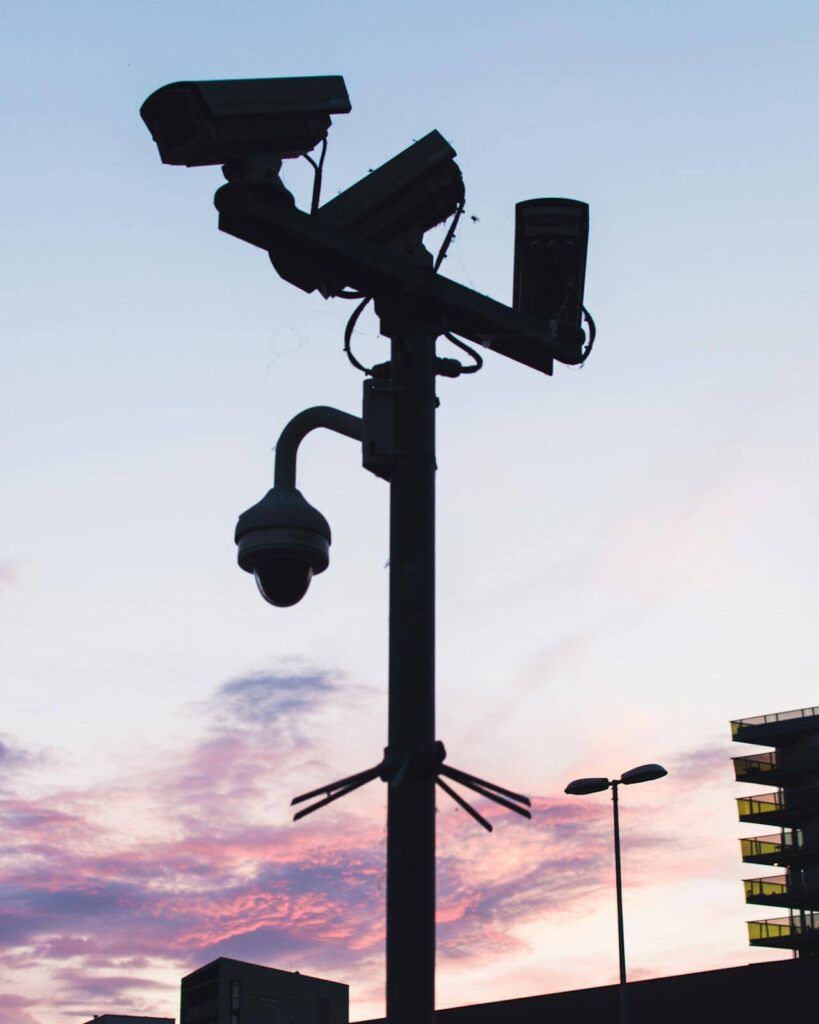
From attempted break-ins to natural disasters, the safety of your vehicle will depend on how quickly the detailing shop can respond to the incident. 

At ATD, our facility is equipped with 24/7 professional monitoring, staffed by a live security team ready to respond to potential threats at any hour of the day or night. We also record and retain security footage so that clients are able to present their auto insurance company with direct evidence of any claims. 

Whether you plan to have your car at the shop for several days or just hours, it’s a good idea to ask your detailer about security measures and protocols for addressing incidents. A robust security plan is evidence that your vehicle is in good hands. 

Get Safe After-Hours Drop Off

Life doesn’t always stick to business hours, and many drivers rely on the convenience of after-hours drop off to fit maintenance into their busy schedules. Before you toss your keys into a mail slot and Uber away, however, make sure you’re comfortable with the shop’s procedures. 

ATD’s secure drop-off system allows you to leave scheduled vehicles on the premises after hours. We guard your keys and monitor your vehicle throughout the night, so protection begins the moment you’re on the lot. 

Ensure Facilities are Climate-Controlled security camera protects auto detailing shop

Over time, ordinary environmental hazards can take a toll on your paint. Regardless of the length of your service appointment, look for a shop with facilities to protect your vehicle from:

An enclosed, climate-controlled environment not only protects your car from the elements, but it’s also integral to long-lasting paint protection. 

The environment where PPF and ceramic coatings are applied plays a critical role in the quality of the results. Before you schedule services, make sure that your facility has the ability to prevent dust, moisture, and temperature fluctuations from interfering with application and curing processes. Properly applied paint protection should last many years, so ensure that you get the most from your investment. 

Put Your Paint Protection in Good Hands

As you look for an automotive detailer with excellent customer reviews and brand- certified installers, don’t forget to add safety into your list of considerations.

At ATD Detailing, we pride ourselves on being so much more than world-class paint protection. Get the services you need to keep your vehicle looking showroom-ready, backed by state-of-the-art security for your peace of mind. 

Selling your car can be an exciting but challenging process, especially if you’re hoping to get the highest possible price. It comes as no surprise that a car that looks clean and ready to drive off the lot will attract more buyers and boost your resale value, but even the most conscientious drivers usually have to put in some effort to get their vehicle ready to list.  

Here are seven essential steps for automotive enthusiasts preparing to enter the car market.

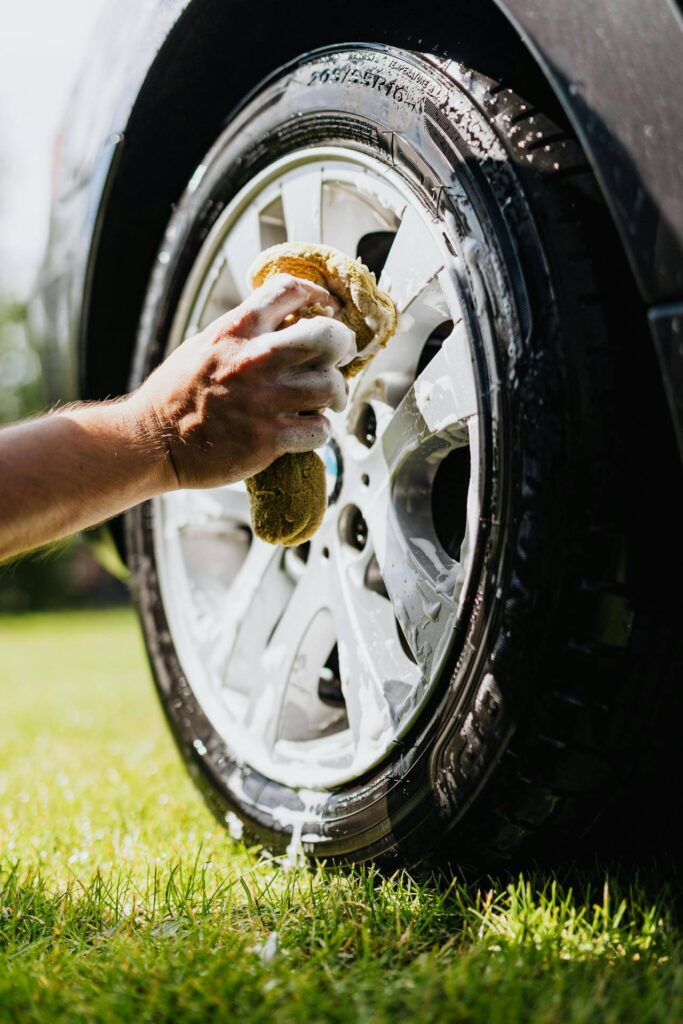
washing wheels for car resale

1. Clean and Detail Your Vehicle

A shiny exterior and spotless interior don’t just make a good first impression — they also signal to potential buyers that your vehicle h

as been well cared for. Whether you decide to invest in professional maintenance care or do the work yourself, don’t neglect the details. 

Try to see your vehicle through the eyes of others. The crumbs, dust and grime that you completely overlook in your daily driver will stand out to a potential buyer and make your car feel more worn than it is. 

2. Invest in Body Work and Paint Correction

Even a small dent can reduce the resale value of your car by 5-15%. For this reason, drivers who address imperfections prior to listing their vehicle almost always see a return on their investment.

Touch-ups and paint correction can give your vehicle a like-new shine that gets buyers’ attention and increases perceived value. Remember to include your headlights in the process — yellow foggy lights present a safety issue and can significantly age your car. 

3. Check Your Tires and Wheels

Tires and wheels are easy to overlook, but they make a big impression on buyers. Start by scrubbing your tires and applying a tire shine product. Clean the wheels thoroughly to remove brake dust and grime that may have accumulated over time. 

Finally, make sure the tire pressure is correct and the tread is within safe limits. Buyers will appreciate knowing they won’t need to replace the tires soon.

4. Perform Routine Maintenancedetailing car for resale

The key to getting the best price for your car is making it as turn-key as possible for prospective buyers. Nothing ruins a deal faster than indicator lights flashing during a test drive, so it’s best to be proactive. 

Check and top off essential fluids like oil, coolant, brake, and transmission fluids. Replace old wiper blades, squeaky brake pads, burnt-out headlights, and clogged air filters. Buyers will appreciate knowing these basic maintenance items are already taken care of.

5. Gather Service Records

Savvy buyers want to see a car’s history, and organized records give confidence in the car’s condition and maintenance. Get these documents in order along with your title paperwork so you’ll be prepared to move forward with a good deal right away. 

6. Clear Out Personal Data

It’s basic sales psychology: you’re more likely to close the deal when the buyer can easily imagine themselves as the new owner of your car. Left-behind personal data in your car’s infotainment system doesn’t just disrupt this fantasy, but it’s also a potential source of frustration for the buyer. 

Clear your GPS history, phone contacts, saved addresses, and other preferences. A factory reset often does the trick.

7. Prevent Accidents With Paint Protection

If you don’t have immediate plans to put your vehicle up for sale, don’t underestimate the value of preventative maintenance. 

Protecting your car with PPF, ceramic coating, and window tinting film early on can drastically reduce the work of getting your vehicle ready to sell when the time comes. When properly maintained, professional paint protection has a long lifespan that can benefit you as well as the next owner of your car. 

With proper maintenance, professionally applied ceramic coating offers years of shine and protection from the elements. 

Ceramic coating begins as a liquid and chemically bonds with your car’s paint to form a thin, hard layer of hydrophobic nanoglass. This new, high-gloss surface acts as a nonstick coating that protects against rust and UV damage while making it much easier to wash away dirt and grime. 

Drivers who care for their ceramic coating can expect 5-8 years of paint protection, but poor maintenance will dramatically shorten its lifespan. Here is what you need to know about getting the most from your ceramic coating. 

ceramic coating aftercare wash1. Layer Over Paint Protection Film (PPF)
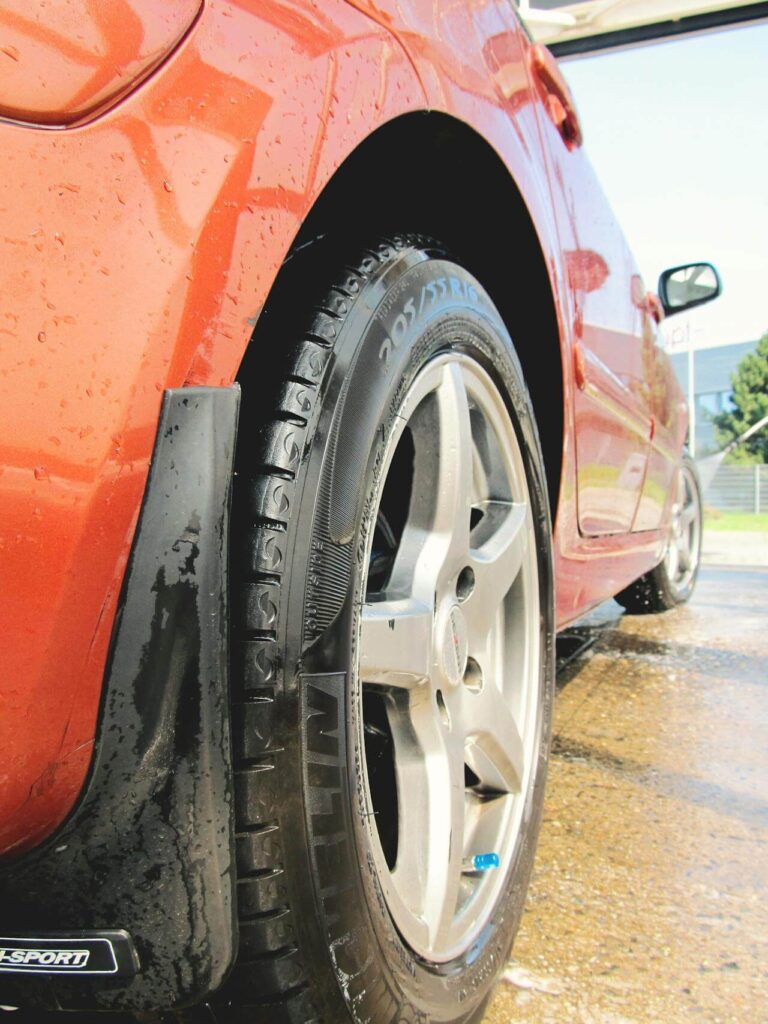
If you really want to set your ceramic coating up for success, apply it over premium paint protection film (PPF). 

High-quality PPF goes on clear and seamless to form a self-healing layer that absorbs the minor scratches, dings, and scrapes that can mar your paint job. When used as a base for ceramic, it creates a smooth, porous surface that helps the coating lay evenly and form a strong bond. 

This added layer of protection is a great option for drivers who want to preserve their vehicle’s resale value without limiting their ability to use and enjoy it. 

2. Wash Every 2 Weeks

One of the main benefits of ceramic coating is that it removes a lot of rubbing and scrubbing from the wash process. However, allowing debris, brake dust, and animal droppings to linger for long periods of time will gradually erode your protection. 

Frequently removing caustic substances from your car’s surface keeps the ceramic’s barrier strong. For best results, wash your car when you notice visible grit and grime, or a minimum of every other week. 

3. Use Good Washing Techniques

Quality ceramic should have a high score on the Moh’s mineral hardness scale, but even very scratch-resistant ceramic coating can be damaged by careless washing. 

Keep your wash and rinse water separated using the two-bucket system. This makes it easier to remove abrasive particles from your washcloth before dunking it back into your wash water, effectively preventing you from accidentally scrubbing grime into your vehicle’s surface. 

To preserve your shine, avoid washing in direct sunlight. Ceramic’s hydrophobic surface can cause beads of water to dry very quickly on their own in the sun, leaving behind unsightly water spots. 

4. No Buffing or Polishingperson washing a car to protect ceramic coating

Well-applied ceramic coating has a striking, mirror-like shine that eliminates the need for additional polishing. It’s not only unnecessary, but it’s also potentially harmful. 

Particularly when done mechanically, buffing a ceramic coated vehicle can wear down your protection and leave your paint vulnerable. Simply dry your car immediately after washing with a soft microfiber cloth for a brilliant finish. 

5. Choose Manufacturer-Recommended Products

Premium brands of ceramic coating are formulated to perform best when used with their specific product line. Mixing and matching different ceramic shampoos and boosters can harm your coating or even invalidate your warranty. 

Make sure your detailer uses a quality brand of ceramic coating and that they are a certified installer. A reputable shop will be able to explain their brand preference and direct you towards the right aftercare products. 

6. Avoid the Automatic Car Wash

For many of the reasons already stated, going through an automatic car wash is a risky move for drivers who have invested in ceramic coating. 

Not only is it impossible to control the speed and pressure of the automated mechanisms, there is also no way to prevent them from lifting grit off of other vehicles and scrubbing it into your paint. 

Schedule maintenance detailing with a professional shop or hand wash your vehicle to guarantee that the proper products and techniques are being used. 

Ceramic coating offers your vehicle eye-catching shine and lasting protection from the elements — but is one ceramic coating brand really superior to another?

If you’re comparing professional detailers or considering a DIY ceramic application, your array of options can feel a bit overwhelming. Commercial brands of ceramic coating are formulated differently than those used by professional installers and offer different levels of protection and longevity.

Here is what automotive enthusiasts need to know when choosing the right ceramic coating brand to protect their car’s paint. 

professional ceramic brand used on black carCommercial (DIY) Ceramic Coating Brands
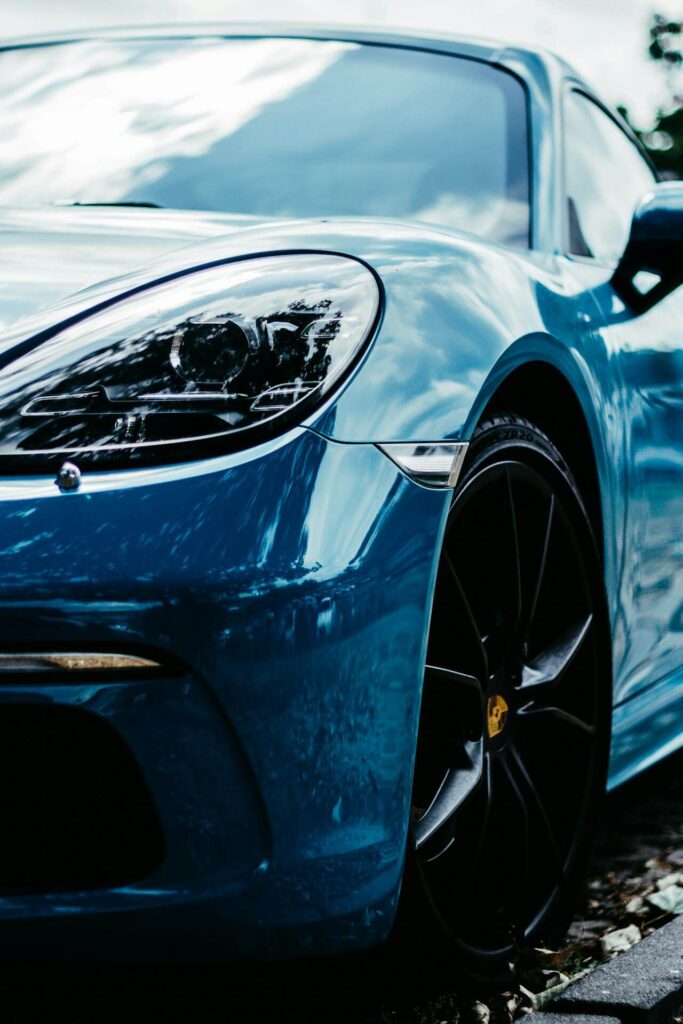
Ceramic brands that target DIYers tend to capitalize on their lower price point and ease of application. If you’re up to the task of installing your own paint protection, here are a few key considerations. 

Formulation

Ceramic coating is applied as a liquid that chemically bonds with your paint as it cures. Generally speaking, ceramic is made of a few basic components:  

While all of these chemicals contribute to the shine, hardness, and UV protection of ceramic coating, commercial brands tend to have simpler formulas and much lower concentrations of these active ingredients. 

These less potent formulas cost less to produce but don’t have the staying power of professional-grade ceramic. 

How Long Does DIY Ceramic Last?

Because of their chemical differences, the ceramic coatings sold on shelves can only be expected to last 1-2 years compared to the 5-8 year life span of professionally-installed ceramic. 

Application Process for Commercial Ceramic Brands

While popular commercial brands like Turtle Wax, Adam’s Polishes, and H2O may also be used in certain detailing shops, they are designed for easier application by DIYers. 

They tend to require less surface preparation and have shorter curing times, making them more convenient for drivers eager to get back out on the road. 

Benefits premium brand of ceramic coating on blue car

Commercial ceramic coating brands offer a base level of protection against UV radiation, acid rain, bug splatter, and other common hazards. However, they can’t be expected to deliver the glossy shine of professional ceramic. 

Drivers who opt for less expensive brands should be aware that they will have to reapply the product much more frequently, diminishing the upfront cost savings over time. 

Professional Ceramic Coating Brands

Professionally applied ceramic coating is an investment compared to DIYing, but many automotive enthusiasts find that the results are well worth it. Here are a few key differences that set professional brands apart. 

Formulation

Reputable detailers understand that quality brands produce quality results, and are likely to be loyal to the products they know work best. For this reason, drivers who choose professionally applied ceramic are often choosing a brand as well as an installer. 

For example, ATD relies on XPEL Fusion Plus ceramic coating due to its potent concentration of premium ingredients, superior shine, and long-lasting protection. Premium coatings are formulated to cure harder, resist corrosion better, and withstand higher temperatures. 

Application Process

The surface preparation process should be much more thorough in a reputable detailing shop than in a home garage. A qualified installer will meticulously address any unevenness in your car’s surface before applying the coating, recognizing that the high gloss of ceramic can turn small imperfections into eyesores in the wrong light. 

A professional detailer may also recommend paint correction prior to a ceramic coating installation to offer the strongest possible bond and the most attractive mirror-like shine. 

Benefits of Professional Ceramic Brands

In addition to the aesthetic benefits, professional-grade ceramic can be expected to outlast commercial brands by several years. This means better protection from the elements, easier washing, and a higher resale value for drivers on the search for their next ride. 

Though a professional ceramic coating brand may come at an increased upfront cost, many drivers find that they get their investment back in the form of lasting protection and eye-catching shine.


If you’ve been exploring your options for paint protection film (PPF), you’ve probably at least considered self-installation. DIY PPF kits promise to save car enthusiasts money with pre-cut panels of film that can be applied in your home garage with no experience necessary. 

If this sounds a bit too good to be true — it usually is. While the upfront cost of DIY paint protection is less than professional installation, many drivers (even those with lots of at-home detailing experience) report regretting their attempt to install their own PPF. 

Without access to the right tools and materials, this attempt to save money can easily end up costing more than professionally applied PPF. Here are some of the most common issues drivers encounter when they attempt to install their own paint protection film. 

Poor Software = Improperly Sized PPF Panels

One of the most crucial yet underrated factors in a flawless PPF installation is the fit of each panel of film. If each piece isn’t matched to the exact dimensions of your vehicle, it will need to be stretched or trimmed.

Considering DIY PPF for black carWith DIY PPF, drivers have no choice but to hope that the plotting software used to route their film is up to date and that the manufacturer hasn’t approximated any dimensions. Otherwise, unsightly patches of texture and seams are inevitable, no matter how skillfully you install the film.
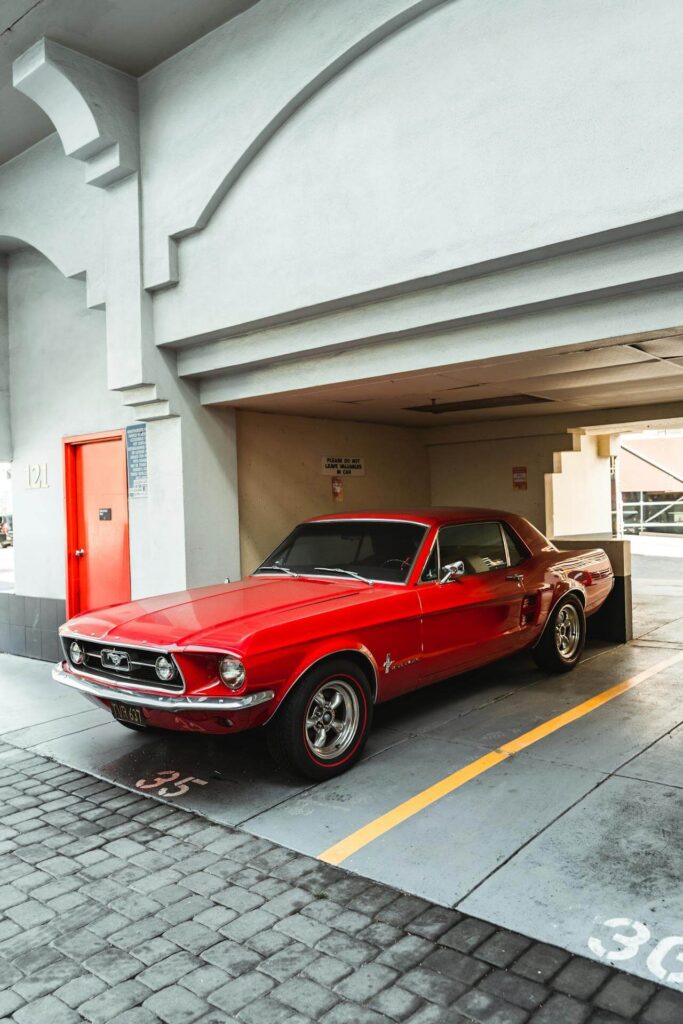
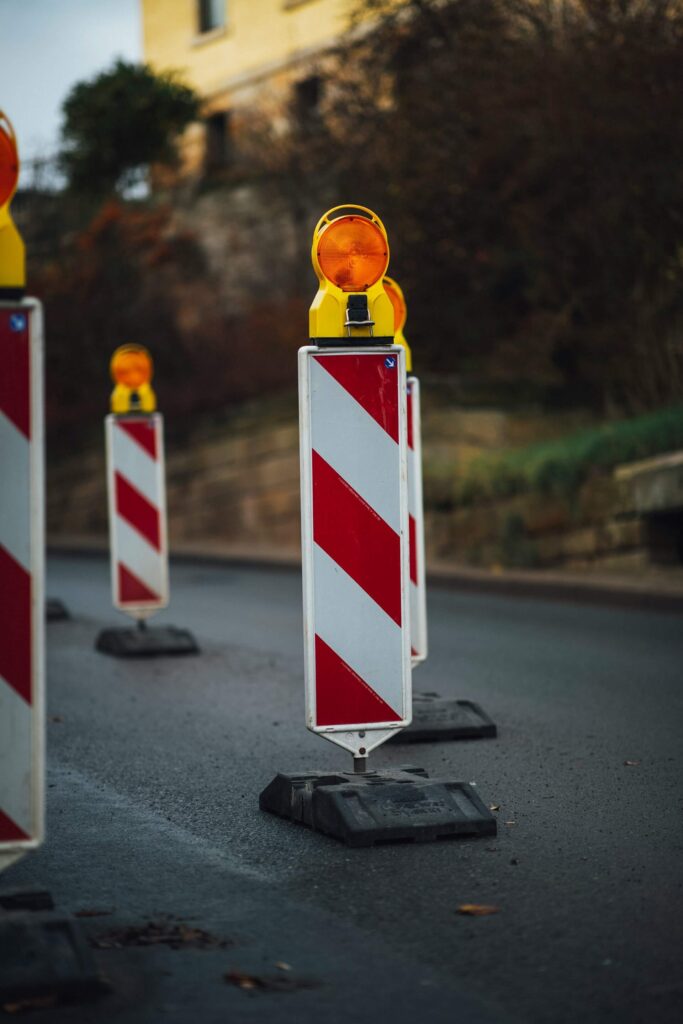
Precisely-sized panels are so critical to a great end result, ATD only uses XPEL’s proprietary DAP software to plot PPF. This software is designed to work with XPEL’s brand of film and their vast pattern repository guarantees that even rare cars will get a perfect fit. 

Incorrectly sized panels, even if the variation is slight, not only look bad — they also don’t protect your paint effectively. If your DIY PPF doesn’t properly cover and adhere to your car’s surface, you’ve wasted a great deal of time and money. 

Paint Protection Installation Challenges

Most automotive enthusiasts don’t have access to the tools, training, and extra hands available in professional detailing shops — and if they do, they’ve already spent considerably more money than a professional PPF installation would cost. 

DIY PPF is no small task. These application mistakes are easy to make, and they can cause your film to fail. 

Visible Seams Shorten Lifespan by Years

Even though high-quality film is very thin and nearly invisible, the slight difference in the way it refracts light will create visible lines if it doesn’t fully cover the panel.

Careless-looking results aside, mid-panel seams are vulnerable to the elements. Professionally installed PPF can be expected to last 7-10 years with proper care, but when edges are left exposed, this lifespan is much shorter. PPF that starts to roll or peel has to be removed, effectively turning a money-saving project into a liability. 

Air Bubbles Increase Likelihood of Adhesion FailureProfessional not DIY PPF on classic car

Without the right tools, pockets of air can become trapped beneath the surface of the film. 

Bubbles are unsightly and can lead to adhesion failure as they shift around the space between your paint and PPF. Unfortunately, there is no “do-over” for panels of film that don’t get applied correctly on the first attempt. Panels with air bubbles will need to be replaced. 

Imperfect Seals Cause Yellowing

If PPF isn’t properly sealed to your car’s surface, its crystal clear finish won’t last long. 

Incorrectly installed PPF allows in dust and moisture. Over time, this damage contributes to an unsightly yellow, cloudy appearance that can only be remedied by removing the film altogether. 

Voided Warranties

Premium PPF vendors like XPEL recognize that paint protection is an investment. The conditions of their warranty require your PPF installer be appropriately trained and certified, and that all aftercare products are approved for use with their film. 

A major pitfall of DIY PPF installation is that the absence of professional oversight can leave you outside of any warranty coverage. Even if your film fails through no fault of your own, you’ll likely be responsible for replacing it or repairing any damage to the underlying paint. 

Professional PPF Installation Protects Your Investment

Reputable PPF installation is the best way to achieve flawless results and ensure that you have recourse if something goes wrong. 

Professional detailing services cost money because they save money. Invest in seamless, invisible coverage that looks great while providing excellent protection against the chips, scratches, and dings that erode your car’s resale value. The long-range benefits are well worth it.  


Wake and Johnston county residents are all too familiar with ongoing highway construction. The 540 outer loop, which will go around the greater Raleigh area to connect the cities of Apex and Knightdale has had huge impacts on commuters — and their vehicles.

For automotive enthusiasts, road work doesn’t just mean a trip to the automatic car wash. Construction sites are huge contributors to paint damage that can only be avoided through preventative maintenance. If your daily drive takes you through planned 540 construction, make sure your paint job is ready.

caution marker to protect paint in construction zonesHow the Construction in Wake & Johnston Counties Harms Your Paint Job
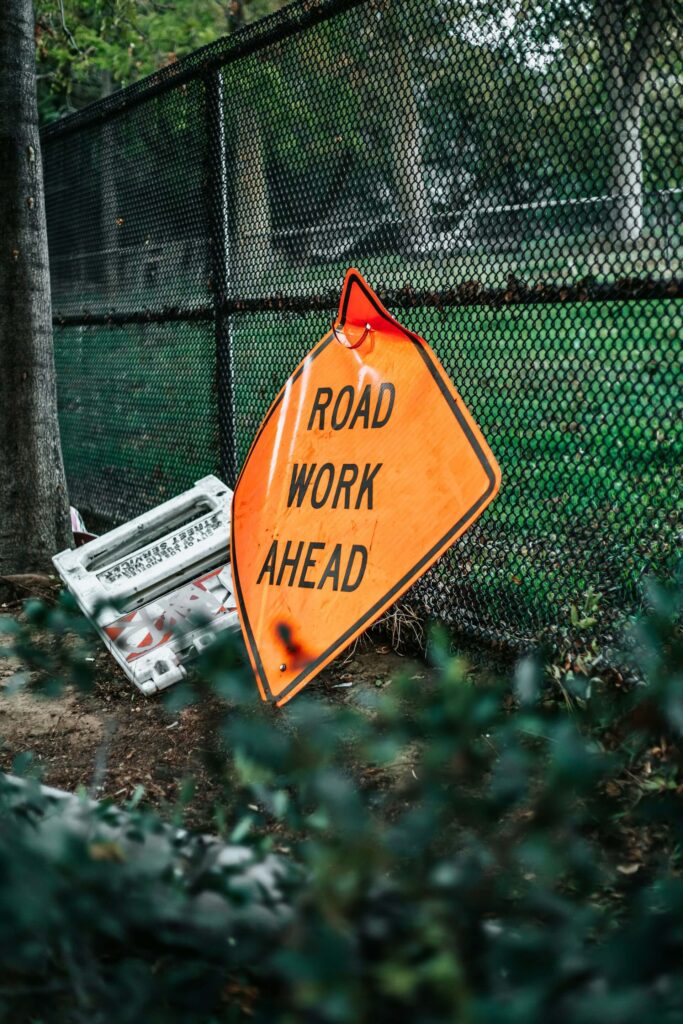
Traffic pattern changes and slowdowns are annoying, but the byproducts of highway construction can wreak havoc on the body of your vehicle. If your daily drive passes through ongoing roadwork, don’t leave yourself vulnerable to these common hazards:

Debris and Loose Objects

Heavy construction materials are going to leave a mark if they come into contact with your car’s paint. 

Even the most well-managed construction sites will create potentially damaging highway debris, especially in the form of loose gravel used for grating. Cars traveling at high speeds can fling small rocks, leading to chips and dings for others on the road.  

Construction Dust

Large-scale projects can sometimes stir up enough dust to cover the surrounding community, so no wonder that a commute through a construction zone leaves your car filthy.

Unfortunately, the remedy isn’t as simple as a quick wash. This gritty layer of dirt is full of abrasive particles that will leave scratches and swirl marks if scrubbed into your paint job. Improper washing techniques and unprotected paint can turn an inconvenient mess into damage that requires paint correction. 

Tar and Asphalt

Paving is an unavoidable part of highway construction, but a serious concern for drivers worried about the resale value of their vehicles.

Road tar is terrible for paint, particularly after it’s been allowed to dry. Home remedies suggest removal with everything from specialty products to peanut butter, but one thing is clear: a botched removal can do serious harm to your car’s exterior.

Guard Your Paint with PPF and Ceramic Coatingroad work sign warning drivers that they need PPF

When faced with planned highway construction, prevention is your best defense. 

Paint protection film, or PPF is an ultrathin, invisible polymer sheet that is cut to precisely fit the most vulnerable panels of your vehicle or your whole car. The film is designed to absorb scratches and impacts from debris to reform to a perfectly smooth surface when you park in the sun or wash your vehicle with warm water. 

Ceramic coating is crystal-clear nanoglass that can be applied directly to your car’s paint or layered over PPF. The ceramic creates a hydrophobic surface that mimics that of a nonstick pan, helping tar and other nuisances like tree sap and bird droppings wipe away easily.  

Whether they are used separately or together, investing in paint protection helps drivers breathe easy knowing that small, unavoidable highway incidents won’t cause permanent damage. 

Paint Protection for Construction Zones in Garner, Apex, and Beyond

Want to navigate construction zones (and everywhere else life takes you) with confidence? ATD’s paint protection options can be customized to suit your daily driving needs. Reach out to our team of automotive detailing specialists and keep your vehicle looking great no matter what the DOT throws at you. 

The Tesla brand is so strongly associated with innovation and modernity, it’s no wonder that drivers want to keep them looking sleek and new. Pristine paint not only enhances the experience of ownership but also factors heavily into the resale value of your Tesla when you’re ready to upgrade.

Whether you are planning to pre-order your new Tesla or want to keep an existing vehicle looking its best, ATD has a range of paint protection options to suit your needs and budget. 

White tesla on highway needs ppf and ceramic coatingPaint Protection Film (PPF)

Paint protection film, or PPF, is a fantastic first line of defense against your paint job’s most common enemies, like:

The very thin polymer is carefully cut to fit each panel of your vehicle, and when applied properly, forms an invisible layer of protection against highway grit. What’s more: the film is self-healing. This means that it absorbs inevitable scuffs and door dings, reforming a perfectly smooth surface the next time you wash your car with warm water. 

Beware DIY PPF

For thrifty drivers, DIY paint protection kits can be tempting. While they do come with upfront savings, there are also significant risks. 

Reputable PPF installers use proprietary plotting software to ensure that each panel of film fits your vehicle’s make and model precisely. This attention to detail is what prevents unsightly bubbles, wrinkles, and visible edges. Additionally, quality PPF manufacturers like XPEL require that their products be installed by certified professionals in order to keep the PPF covered by the manufacturer’s warranty. 

Unfortunately, many of the drivers who take a chance on bargain PPF kits lose their investment and have to seek help from a professional detailer to undo the damage. 

Ceramic Coating for Teslasnew black tesla with paint protection parked on street

If you want your Tesla to retain its showroom shine, ceramic coating is right for you. This ultrathin layer of nanoglass reflects light beautifully while forming a hydrophobic barrier that makes washing your vehicle a breeze. 

Ceramic also offers excellent protection against UV damage and acid rain, offering peace of mind to those who want to use their Tesla as their daily driver. 

How PPF and Ceramic Work Together

Automotive enthusiasts who want to maximize their paint protection should consider ATD’s trifecta of services: PPF, ceramic coating, and window tinting. 

If your budget allows, installing ceramic on top of your paint protection film gives you the benefits of both services. Starting with PPF ensures that the ceramic coating lays flawlessly over your car’s surface, while greatly reducing the effort needed to remove dirt and grime. Less scrubbing during washes means less risk of scratches, scuffs, and swirl marks. 

Schedule Professional Detailing for Your Tesla

Preventative maintenance is key for drivers who want to keep their Tesla in peak condition. Investing in periodic routine maintenance with a professional detailer makes caring for your vehicle at home easier and more enjoyable. 

Detailing pros have the tools and techniques to give your Tesla a more thorough cleaning while protecting the integrity of your PPF, ceramic coating, or window tint film. Reach out to learn more about ATD’s custom detailing packages and choose a maintenance schedule that suits your unique needs.   


Paint protection film (PPF) is a long-lasting investment in your vehicle. The thin, flexible polymer film hugs the surface of your paint job to form a self-healing barrier that absorbs scuffs and scratches. When expertly applied, PPF keeps your paint looking flawless and new, and allows auto enthusiasts to enjoy their time on the road without the fear of common hazards like highway gravel and door dings.

Because PPF is applied in sheets that are precisely cut to fit the surface of your vehicle, drivers have the option of protecting their entire car or only the most vulnerable areas. Partial PPF comes at an initial cost savings, but, depending on your concerns and plans for your vehicle, it may not offer enough protection.

Advantages of Full PPFWiping down and detailing the car before adding ppf

Applying PPF to the entire surface of your car gives you full protection and ultimate peace of mind. Since it’s impossible to guess how every scratch or scrape could happen, bumper-to-bumper film allows you to expect the unexpected.

Whether you own a classic or exotic vehicle, or you just want to maximize resale value, complete protection is your best line of defense against unsightly damage.

Which Areas of Your Car Should You Prioritize?

If you’re on a budget, however, full PPF may not be feasible. Drivers who want to protect their paint at savings may opt to apply PPF to the areas of their car most likely to be impacted by the hazards of daily driving.

Minimal coverage typically involves applying paint protection film to the:

Ideally, this partial coverage should mitigate damage from road grit, loose gravel, runaway shopping carts, and similar mishaps.

Drawbacks of Partial PPF

If you’re weighing the pros and cons of partial coverage, there are a few potential downsides to consider.

Incomplete Protection

The most obvious shortcoming of partial PPF is that it leaves some areas of your vehicle vulnerable. Less obvious threats (especially those that come from above like falling branches, tree sap, acid rain, or hail) can harm paint in uncovered areas, causing uneven wear.

buffing the car before applying ppfCosmetics

While expertly applied PPF will be virtually seamless, discerning automotive enthusiasts may still be able to detect where panels of partial PPF begin and end.

Cars with unique finishes like matte or metallic may look particularly conspicuous with an incomplete covering.

More Complicated Care

Using good washing techniques and choosing the right products will go a long way towards extending the life of your PPF. Drivers with partial paint protection film have to be particularly careful of the edges of the sheets so they don’t bubble or peel.

Wax and other car care products can collect around the edges of PPF, drawing attention to seams or causing the film to fail.

Discuss Your Goals with the Paint Protection Experts

Weighing potential savings against the convenience of full PPF? The experts at ATD are available to help you determine what is best for your vehicle and driving situation. Reach out or visit us to discuss your options for paint protection.

If you’re in the process of purchasing a new vehicle from a dealership, you can probably expect your salesman to discuss your options for getting paint protection and window tint installed onsite. 

It’s hard to deny the convenience — many dealerships offer to handle your installation and roll the cost into your financing so it doesn’t feel like a separate expense. While this may seem like a fantastic deal at first glance, dealer-installed paint protection isn’t always what it seems. Here are a few important things to consider when deciding how you’ll protect your vehicle’s interior and exterior from wear and tear out on the road. 

ppf and window tint done at auto dealershipCompare the Cost of Dealer-Installed PPF, Ceramic, and Window Tint

Adding these services into the price of your new car may seem to simplify things, but often at a hefty cost. If your dealer offers in-house paint protection or window tint, ask for an itemized breakdown of the products and labor.

Compare their prices to automotive detailers in your area, and you’re likely to find that costs have been significantly inflated to allow for more profit on the dealership’s side. 

Know the Common Pitfalls

Not only does dealer-installed paint protection tend to cost more, but differences in their methods of installation can sometimes lead to inferior results. If you’re considering letting your salesman arrange your window tint or PPF, it’s important to ask the right questions to ensure that you’re comfortable with the risks. 

Third-Party Contractors

Typically, dealerships hire third-party contractors to apply film and coating to your new vehicle after it arrives on the lot but before you take your delivery. Customers who don’t ask specific questions about the installation process might be surprised to learn that it’s not uncommon for a dealership representative to drive their new car to an installer and leave it there for days waiting for service. 

Because drivers who choose dealership installation don’t personally choose their installer, it’s not possible to verify the credentials and experience of the technician doing the work. 

Furthermore, the installers that dealerships contract with are typically paid on a per-vehicle basis. The pressure to complete as many installations as quickly as possible often comes through in your results. 

Lower Quality Filmscar with dealer-installed paint protection

High-quality brands of PPF have proprietary plotting software and aftercare products that are designed to work with them for optimal, long-lasting results. 

Unlike professional detailers who are officially affiliated with reputable brands like XPEL, dealerships don’t own the film. Their installers typically aren’t employees of the dealership itself, meaning it’s impossible to guarantee what type of film or coating is actually being applied to your car. It’s not unheard of for unscrupulous installers to use the film that they have on hand and pass it off as premium without the consumer’s knowledge. 

What about window tint? Dealerships usually apply carbon-dyed window tint film as opposed to the higher-grade ceramic films found in reputable privately owned detailing shops. These lower-quality films may be good for profit margins, but they’re bad news for drivers who want to maximize the life of their car’s interior. 

Warranty Risks

The possibility that a careless installer may use what they have on hand to complete the job is risky for two reasons: 1) Films and coatings are chemically formulated to work best with their own line of sealants and aftercare products, and 2) Mixing different brands and formulations can void your paint protection’s warranty. 

If you want to protect your investment, it’s crucial that you are aware of the manufacturer’s terms and conditions. Typically, this involves using a certified installer and adhering to their list of recommended products, both of which are difficult to guarantee when work is outsourced to a third party. 

Protect your investment by choosing an auto detailing specialist.

Reputable automotive detailers take pride in their work, and they have the credentials to prove it. 

Choosing an independent shop not only saves you from artificially inflated dealership prices — it gives you results you can trust and recourse in the event that something goes wrong after your installation. 

Paint protection is an important investment in the life of your vehicle. Take time to verify your installer’s certification status, do your warranty research, and ask questions to choose the right detailer.