Keeping your new car looking gorgeous as the miles roll by requires an upfront investment. But how can automotive enthusiasts get maximum protection for their paint job without blowing their budget?
If you’re torn between paint protection film (PPF) and ceramic coating, the detailing experts at ATD are here to help you understand your options for keeping your new vehicle’s paint sleek and glossy.
When ceramic coating is applied on top of PPF, the two work together to provide fresh paint with optimal protection against the daily hazards that can dull your car’s luster, like:
Road salt and grit
Door dings
Accidental scratches during washing
Bug splatter
Tree sap
UV damage
Rock chips
Despite the advantages, budgeting for paint protection film and ceramic coating to be applied at the same time isn’t always feasible — especially right on the heels of the expense of a new car. If you find yourself needing to choose one service and delay the other, here is what you need to know about the individual benefits of each.
Paint Protection Film
PPF is a very thin layer of self-healing polymer that can be applied either to your entire vehicle, or to vulnerable areas like the bumpers and doors. When protected areas get scratched or scuffed, the damage will dissolve with sunlight or warm water.
If you are facing a choice between PPF and ceramic coating, know that film provides an excellent base for any future protective services. When properly installed, PPF forms a barrier against some of the most common road hazards that drivers can expect to last for 7-10 years.
Ceramic Coating
Ceramic coating is a kind of rigid nanoglass that chemically bonds with your car’s surface. Unlike PPF, it can’t simply be peeled away.
Professionally installed ceramic eliminates the need for waxing and makes it easy to wash away bugs and sap without scrubbing. It also provides an excellent shield against UV damage, oxidation, and any corrosive substances you may encounter on the road.
Why start with PPF?
If you must choose between ceramic coating and paint protection film, always prioritize PPF.
Because of the way that ceramic coating reflects light, the best way to achieve an eye-catching, glass-like finish is to apply it on top of pristine paint. In fact, experts recommend that scuffed or scratched vehicles undergo paint correction before ceramic is applied to get the most attractive finish.
The best way to prevent this damage before it happens is to have PPF installed before you hit the road. Not only does the film guard against blemishes — it also ensures that any future ceramic coating will lay easily over your car’s surface.
Giving your vehicle’s exterior a smooth, porous base will help you get the most from ceramic should you decide to install it in the future.
Have Questions for the Pros?
When in doubt, ask the experts. Give us a call or visit our Garner, NC facility to discuss your new car purchase with a certified installer to gain a better understanding of the products, benefits, and timeline for installation prior to the delivery of your new vehicle. We can’t wait to help you choose the options that are best for you.
When it comes to paint protection film, fit matters. This thin, protective polymer must be cut and installed precisely to properly protect your vehicle’s surface without interfering with its shine.
Installers use a computerized plotting system to cut the film for a perfect fit to your specific automobile, but not all systems are created equal. Here is what savvy auto enthusiasts should know about PPF software when choosing an installer.
What is DAP Software?
DAP is an acronym that stands for “digital adoption platform.” In the world of PPF installation, DAP is a software platform that integrates seamlessly with the installer’s existing technology to ensure optimal performance.
ATD uses XPEL branded paint protection film because XPEL owns their DAP software and has engineered it specifically to work with the formulation of their paint protection film.
Avoid Installers Who Use Third-Party Software
Not all PPF patterns and software systems are designed to work with a specific brand of film. This can significantly affect the quality that you get as a customer.
Some installers use programs owned by third parties that have no relationship with the PPF manufacturer. Anyone can purchase access to this software and begin plotting film, but the likelihood of an imprecise fit puts your investment at risk.
The Risks of Improperly Installed PPF
If your installer approximates the fit of your PPF or takes a “close enough” approach when choosing patterns, the consequences will be obvious. Ill-fitting paint protection film will:
Appear textured in stretched-out areas
Give your vehicle’s exterior a cloudy appearance
Have visible edges
Bubble or wrinkle
Peel
The Benefits of XPEL’s DAP Software
The XPEL brand owns the DAP Software used to plot their PPF, which means that the engineers who create their patterns work closely with the engineers responsible for the formulation of their film.
Integrating their product with their technology ensures the highest quality of film and the most seamless installation.
Choosing the right installer does more than guarantee the look of your vehicle — it ensures long-term protection and avoids stressful situations in the future. .
Certified installers who use plotting systems designed to work with a specific brand of film ensure that the job (and the film itself) can be warrantied. This is important for drivers who want to make sure they have proper recourse if the PPF fails within the warranty period.
So be sure to ask your installer about their process and the software they use before agreeing to PPF installation. It’s one step further in protecting your investment.
There’s no denying the Tesla phenomenon. These sporty, sleek vehicles have reimaged electric cars, and their increasing popularity is changing infrastructure. New Tesla charging stations are appearing all over, including here in Garner, NC.
Tesla’s depreciate slower than gas-powered vehicles, but meticulous maintenance is still important for helping your investment hold its value over time. Here are a few steps auto enthusiasts can take to protect their Tesla from the hazards of daily driving.
Paint Protection Film
Paint protection film, or PPF, is a very thin polymer that forms a barrier between your Tesla’s paint and caustic substances like:
Road grit
Salt
Acid rain
Tree sap
Bug splatter
Bird droppings
PPF can be applied to the areas of your vehicle that are most likely to come into contact with dirt and grime, or to the entire surface.
Paint protection is also an important safeguard against minor scratches and door dings. Any damage to the surface of the film will smooth out when you wash your Tesla with warm water or park it in the sunshine, keeping your finish flawless.
Ceramic Coating
Ceramic coating is another paint protection measure that can be installed on its own, or in conjunction with PPF. It is applied to the surface of your Tesla as a liquid, where it hardens into a rigid coating of hydrophobic nanoglass.
Not only does ceramic guard against UV damage and corrosion, but it also prevents bird droppings, grit, and grime from adhering to your Tesla’s surface. This allows you to use less elbow grease when washing your vehicle — critical for preserving your paint job.
Window Tinting
Heat and UV radiation can cause your Tesla’s interior to fade and crack. Window tinting doesn’t just give your vehicle a sporty look, it protects your seats and interior fixtures from deteriorating prematurely.
The benefits don’t end there — your Tesla’s long battery life means more sun exposure during long, leisurely drives. Window tinting can actually help prevent skin cancer in drivers and passengers by blocking harmful UV rays from entering your vehicle.
Interior Detailing
While your vehicle’s paint job certainly plays an important role in determining its resale value, don’t neglect your interior. Your Tesla’s center touchscreen is vulnerable to scratches, fingerprints, and sun damage — keep it looking pristine by installing a screen protector.
When it comes to your fixtures, seats, and floorboards, it’s important to remember that effective detailing is a marathon, not a sprint. Many drivers find that the simplest and most enjoyable way to keep their Tesla on a regular maintenance schedule is to engage professional detailing services.
Regular deep cleaning will keep your Tesla looking like new and allow you an opportunity to notice and address any issues before they negatively affect your resale value.
The range of options for paint protection film (PPF) and ceramic coatings can feel overwhelming. Auto enthusiasts who want to preserve the sleek look of their car view paint protection services as an investment – they understand that you tend to get what you pay for.
At ATD, we recommend a quality-first approach to paint protection. Here are a few important considerations as you research ceramic coating and PPF brands.
1. Quality PPF offers the most invisible protection.
No one wants the automotive equivalent of plastic slipcovers. Your efforts to safeguard your vehicle’s shine are all in vain if your PPF is cloudy, thick, or visible at the edges.
High-performance paint protection brands like XPEL are not only rated for their durability but their crystal-clear appearance when properly applied. Investing in ultra-thin film and choosing a reputable installer will allow you to repel rain and highway grit without interfering with your vehicle’s appearance.
2. Each brand of paint protection has its own formulation.
Different brands of PPF and ceramic coating have proprietary chemical formulations. It’s important to invest in quality paint protection that is engineered to last, because you will need to commit to that brand’s entire line of products.
Unscrupulous installers may try to reduce costs by mixing and matching premium PPF and bargain ceramic coating or aftercare products. Not only can this shorten the life of your paint protection, but it can also void your manufacturer’s warranty. Do your homework to make sure your detailing shop doesn’t cut corners.
3. Reputable brands protect your warranty.
Speaking of warranties, a quality brand of PPF or ceramic coating should back its products with a guarantee. It’s important, however, to make sure you pay attention to its conditions.
Using unapproved chemicals for installation or aftercare or using an unlicensed PPF installer can void your warranty’s protections and leave you liable if your paint protection fails. Don’t be afraid to ask your installer questions, such as:
Which products will they use?
Are they licensed to use those products?
Will any part of the process be subcontracted out?
Are any subcontractors appropriately certified?
What aftercare is recommended and why? about which products they will use, if any steps of the process are subcontracted, and whether the detailing professionals involved are appropriately certified.
4. High-quality paint protection brands are a sign of a high-quality detailing shop.
Well-qualified installers recognize that not all ceramic coating brands and PPF are created equal. Automotive detailing shops that stock premium paint protection products are more likely to be committed to a quality consumer experience and end result than those that are less discerning.
When choosing an installer, make brands an important part of your research. Paint protection that is seamless, long-lasting, and protected by a manufacturer’s warranty will guarantee the best return on your investment in your vehicle.
Paint protection film (PPF) is a fantastic investment for auto enthusiasts who want to keep their vehicle looking sharp in a world full of door dings, highway grit, and bug splatters.
When installed correctly, PPF can enhance the ownership experience and protect your vehicle’s resale value — but what happens when PPF isn’t done right, or your installer isn’t certified or reputable?
Here are some key points to keep in mind when choosing an installer, so you know you’re getting to most from your paint protection film.
Be smart about your PPF warranty.
The highest quality PPF films, like XPEL, are chemically formulated to be used in conjunction with ceramic coatings, sealants, and aftercare products of the same brand. Unfortunately, some unscrupulous PPF installers will knowingly apply coatings from a different product line on top of XPEL paint protection film as a means of cutting costs.
Not only does this potentially compromise the longevity of your PPF, it immediately voids XPEL’s manufacturer’s warranty, leaving you stuck with the bill if the film fails. Yellowed, cloudy PPF frequently results when installers mix products from different lines.
Choose an installer who offers your premium product line in its entirety, and ensure that they understand the importance of adhering to the manufacturer’s instructions. Your installer should be prepared to provide you with a warranty card detailing which products were used on your vehicle at the end of the process. This warranty card will also include your installer’s certification number, the date of your installation, and information about your PPF. It can be used to verify your installation with any detailer in the US who carries the same line of products.
Ask the right questions about your PPF.
It is vital that your installer uses a high-quality paint protection film — ask questions about where the installation will take place. Researching an automotive detailer’s practices won’t provide you with the information you need if your installation gets subcontracted to a different company.
Don’t hesitate to ask:
If any part of your PPF installation won’t be done in-house
If any subcontractors who get involved are certified installers
Which products are used in any third-party detailing shops
The rationale behind any “too-good-to-be-true” pricing compared to other estimates
How long the detailing company has been in business. Do you have any reason to suspect the business won’t outlive your 7-10 year manufacturer’s warranty?
If you notice anything that gives you pause, move on to a more reputable installer.
Choose a certified PPF installer.
A certified installer will have the experience and expertise you’re looking for, but that’s not all. Choosing a detailing professional who is certified by the manufacturer of your PPF will help you avoid complications with your warranty if problems arise.
If your detailer intends to subcontract any part of your PPF installation, verify that everyone involved is either a certified installer or working under the supervision of a supervised installer. Fortunately, manufacturers like XPEL make it easy to verify an installer’s certification status online.
Don’t wait to ask about aftercare.
The lifespan of your paint protection film largely depends on how closely you adhere to prescribed aftercare instructions. Make this a part of the conversation when choosing a PPF installer.
A reputable installer will be able to recommend products and practices that will protect your PPF and keep you in compliance with the manufacturer’s warranty. Choose an automotive detailer who looks beyond the initial installation, and you’ll help guarantee the longevity of your PPF.
With good maintenance care, paint protection film (PPF) lasts 7-10 years.
Paint protection film is a fantastic way to put a barrier between your vehicle’s paint job and potential scratches, scrapes, and dings. Drivers who are considering investing in PPF expect their protective film to last a long time, and when properly installed and maintained, it certainly can.
Here is what savvy automobile owners need to know before having PPF installed so they can get the most out of their protective film and keep their paint job looking showroom ready for many years.
What is PPF and what does it do?
PPF is made of a super-thin, flexible polymer that forms a second skin on the surface of your vehicle when installed by a professional. This film can be applied to the areas of your vehicle that are most susceptible to damage or over the entire surface.
When properly applied, PPF acts as an invisible shield for your paint job, safeguarding it from hazards like highway salt, loose gravel, and hard water spots. It offers excellent rock chip protection, and can safeguard your paint from chipping in the event of a door ding. One of the best features of PPF is that the covering itself is self-healing. Any damage to the surface of the film seamlessly dissolves when you wash your vehicle in warm water or expose it to sunlight.
What are the benefits of PPF?
If you feel sick at the thought of a careless driver bumping your vehicle with their car door, PPF can offer you valuable peace of mind. Many auto enthusiasts find that they enjoy the experience of owning their vehicles more knowing that scratches and dings are no longer a constant threat.
Paint protection does more than help you hang onto that new-car feeling for as long as possible. PPF can increase the resale value of your vehicle by helping you keep it in like-new condition even as the miles tick by.
What is the lifespan of PPF?
Speaking generally, properly cared-for PPF can be expected to last between 7-10 years. Given that car owners sell or trade in their vehicle every 8 years, on average, many clients who choose to install PPF enjoy its benefits with no issues for the life of their vehicle.
The longevity of your PPF is heavily influenced by how you use your vehicle. Work trucks and track vehicles that spend a lot of time out in the elements or rough terrain are likely to require a PPF replacement sooner than is typical. On the other hand, a collector’s car that only leaves the garage for shows would probably only need to have its PPF replaced in the rare event of a transport accident.
For daily drivers, the most typical cause of a PPF reinstall is a traffic accident. Fortunately, this expense is often covered by the at-fault driver’s insurance. It’s a good idea to consult with your insurance provider about their policies regarding aftermarket and protection services before you invest in PPF.
How to help PPF last longer
PPF is made to last, but there are a few steps you can take to help extend the life of your protective film (and ultimately, your paint job).
Practice good aftercare.
How you care for your PPF in the days that follow the installation can determine its lifespan.
Don’t try to smooth out any bubbles under the film’s surface. These are normal and disturbing them can disrupt the curing process.
Never pick at the edges of the film. This will disrupt the adhesive.
Clean your vehicle the right way.
Once your PPF is fully cured, keep it looking pristine by following your installer’s guidelines for washing your vehicle.
Avoid pressure washing, particularly at a close range.
Use soft materials to wipe your vehicle, and be mindful of the film’s edges.
Wash your car regularly (every 1-2) weeks, and remove any bird droppings or bug splats promptly.
Make sure any waxes or glosses are compatible with your PPF before you use them.
Consider investing in ceramic coating.
PPFs with a built-in ceramic coating come at a premium price, but they offer some additional protections. A ceramic coating helps your vehicle repel water, protecting the surface from blemishes and making dirt and grime easier to wipe away. Less scrubbing during washes can extend the life of your PPF.
The best PPF depends heavily on your driving habits and the purpose of your vehicle. Contact a reputable PPF installer for advice on how to protect your paint from life’s hazards so you can enjoy the ride.
The car shopping and buying process can be overwhelming and time consuming for even the most seasoned car buyers. Most folks focus on the vehicle options, packages, warranty, and financing. While these are some of the most important things to consider when purchasing a new car, what about protecting the new car?
If protecting your investment is a goal or priority it really should be something you discuss with your local vehicle protection specialists BEFORE you sign for the purchase or agree to a purchase price. Here at ATD Detailing we often work with our clients before they order or purchase a new vehicle.
We schedule a consultation to discuss the vehicle our client is considering, we talk specifically about the make, model and color and how the client intends to use or store the vehicle. Then we discuss protection options and pricing here at ATD Detailing so the client leaves with a personalized estimate for the vehicle they are shopping for. They can use this information when negotiating purchase price to be sure the protection budget and the purchase price budget stay within the client’s comfort level.
This ensures once the client pulls off the lot with the new vehicle, they know what to expect for aftermarket protection cost and are not a victim of sticker shock or having to sacrifice protection due to budget restraints.
You should always consider protection and after market additions or modifications when deciding what your budget is for a new car. This way you can work with local experts in those fields and end up with all the options you desire and not exceed budget plans for the new vehicle.
Not having the aftermarket protection services scheduled ahead of taking delivery of a new car is another common mistake car buyers make. Working with a trusted automotive protection expert to schedule your service appointment as close to your anticipated delivery date or purchase date as possible is key, but this does take some preparation and planning. This ensures you are bringing them a vehicle that is truly in “new condition” keeping the prep cost low and avoiding rock chip damage or topcoat damage from poor washing techniques or exposure to harmful contaminants. Ideally, you would line up your service appointment within a week or two of taking delivery of a new vehicle. This will limit the exposure and drive time before dropping off for protection services to be performed.
Waiting until you have the new vehicle to do your research, price shopping and finding a company you trust to partner with for automotive protection services can lead to added costs and delayed scheduling with those qualified facilities. Most reputable paint protection specialists that focus on quality keep a booked schedule and have repeat clients they work with on a regular basis. They are usually booking appointments 6-8 weeks out leaving you exposed to rock chip damage or may result in additional prep costs because by the time you can get the vehicle in for service it is no longer in a “new condition” for the purpose of paint correction or film and coating application.
If you are currently considering the purchase of a new vehicle and want to explore the paint protection products and services here at ATD Detailing give us a call today to set up a consultation.
We are more than happy to have you visit our facility in person to learn more about what we can offer you and discuss the scheduling process if your goal is to protect the vehicle soon after purchase.
“A good plan is like a road map: it shows the final destination and usually the best way to get there.”
– H. Stanely Judd
If you need help creating a road map to achieve your automotive or marine protection goals email Abby or Bryan with ATD Detailing today to set up a consultation. We are your trusted paint protection specialist and have over 10 years’ experience in the industry. We look forward to serving you!
It’s estimated that more than half of the homes in the United States do not have a covered parking garage. While many of us can’t live without our ‘toy boxes’ – others who are passionate vehicle owners are forced to come up with creative ways of protect car paint without a garage. Some of their ideas are proactive – others – not so much.
Every day, your ride is bombarded with toxins – yes, we mentioned this above. But one of the biggest misconceptions about car paint is that the clear coat will block contaminants and UV rays by itself. Some believe that the quick application of natural carnauba wax will do the trick.
However, that’s just not accurate. A clear coat is microscopic thin – as in – thinner than paper. Want to add a layer of car wax that only holds up for a few months? Your protection just got a half of the thickness of that piece of paper extra. UV rays, bug splatters, tree sap, pollen, and road debris can stick to the top layer of your vehicle and slowly eat away until it gets to raw paint. The clear coat of paint is what becomes embedded with swirl marks by using automatic car washes or poor-quality towels.
Eventually, these materials will penetrate the pigment – and start to corrode and oxidate on the metal. There are some people who are strong believers of using an outdoor or indoor car cover to protect from these contaminants – and there is some logic behind those thoughts. However, they are not the optimal solutions.
Some of the major contributors that accelerate paint corrosion may include:
UV Rays
The sun is awesome for providing warmth on a winter morning and making that deep paint job look rich, but it can also cause havoc to your vehicle’s surface. There are two types of UV rays – UVA (which is responsible for causing damage to the surface of a substance – usually aging) and UVB – which is what causes burns and skin damage). Heat is produced by infrared rays or IR.
Natural Waste
Bird droppings and bug splatters are second on the list of items that can wreck a car’s paint surface. Both items are highly acidic, with other ingredients that stick to different materials on your vehicle. If you don’t remove them from the clear coat, even windows – they will begin to stain and etch into the top layers – especially on the car’s paint.
Smog & Pollution
Smog is essentially unburned particulates that are derived from fossil fuels. It’s carbon emissions that circulate amongst the air you breathe and eventually find a home on your car’s paint surface. If the vehicle isn’t washed on a normal basis, smog and industrial pollution will bond to the surface, again causing damage.
What to Do If You Don’t Have a Garage
Let’s be blunt – we’re not going to tell you to buy a carport, a blow-up device, or anything else to park your vehicle inside. Today’s professional-grade ceramic coating and paint protection film will do a phenomenal job at protecting your vehicle for YEARS – against normal wear and tear and exposure to the outdoors.
Now, you’re probably thinking to yourself, “well, I would buy a ceramic coating or PPF if it wasn’t so expensive.” And you know what – that’s fair. A professional-applied and CARFAX documented Ceramic Pro 9H Gold Package that comes with a lifetime warranty is an investment in the protection of your vehicle.
However, that’s the top of the mountain. There are several package levels that will fit virtually every budget – and keep your car, truck, SUV, or other vehicle from continual outdoor protection. There are also some other DIY protection products that will serve to protect the paint, plastic trim, and other exposed car parts that you may want to consider.
Natural Carnauba Wax
The first car wax was introduced to the global consumer market in 1944. It was called Plastone and was invented by a chemist named Ben Hirsch. It was a liquid car wax that was comprised mainly from natural carnauba wax – a secretion derived from a palm tree based in Brazil. The product was exceptional at creating a hard-shell on top of the vehicle’s painted surface. Eventually – he renamed the product Turtle Wax®.
Today’s natural car waxes are based on the same concept – using natural oils and resins that bonds on top of surface – and protects against UV rays and other outdoor elements for a few months. Every trip to the automatic car wash can accelerate breakdown.
Polymer or Synthetic Paint Sealants
The lab-created wax job is known as a paint sealant. It’s synthetic in nature and may consist of some natural carnauba wax, silicon dioxide (SiO2) and Teflon materials. This is what you’d call a hybrid car wax. It can be applied via a paste, liquid, or sprayed on – then buffed off with a fresh microfiber cloth. There are some paint sealants that claim to hold up for 8 months to a year in pristine situations.
DIY Ceramic Coatings
There is a slew – and I mean a TON of DIY ceramic coatings for cars on the market today. Some of them are easy to apply – and others will give car owners a ton of issues. Let’s clarify one of the biggest myths about these DIY coatings – they are NOTHING CLOSE to a professional-grade 9H nano coating. Many can be applied and removed with a simple microfiber towel – while others are more labor inclusive.
They are mainly designed for ease of application and replicating a lot of the ‘attributes’ of a professional-grade nano coating. For example, most of these coatings claim a lot of hydrophobic properties (which is what makes water bead on the surface). And for the most part – they do this quite well.
However, they are not the best at providing actual protection on your vehicle’s paint. Some contain microscopic levels of ceramic ingredients (so they can call it “ceramic coating”). Others have large percentages of SiO2 – but aren’t quite certain what that ingredient does. Some of these coatings will hold up for 18 months – but the level of protection they offer is not backed by warranties or any documented studies.
If you’re going to buy a DIY ceramic coating, just make sure to research the product and the supporting materials you need – like extra microfiber cloth for example. Make sure you feel comfortable with the prep work, installation, and the aftercare recommended. It’s really become a buyer beware market, so make sure to complete your research and consider all options before making the financial investment.
Professional Applied Coatings and Paint Protection Film
If you’re looking for the optimal way to protect your vehicle, Ceramic Pro offers several affordable options. The flagship Ceramic Pro 9H nano coatings are sold in package levels – each with its own expected and guaranteed warranty. Learn more about Ceramic Pro 9H coatings for the inside and outside of your vehicle by clicking the link below. Ceramic Coating & Paint Protection
We also offer a paint protection film from XPEL (insert XPEL link) here at ATD Detailing. Consider paint protection film (PPF) as a transparent car cover – as it can be applied to your paint, headlights, and other materials on your vehicle. Learn more about XPEL paint protection film by clicking the link below. Paint Protection Film
If you’d like to receive a free estimate for an exceptional layer of protection against outdoor elements, Contact Us.
Now Carfax reports and the MyCarfax reports both show the type of Ceramic Coating treatment received, as well as the date of installation and where it was installed. This allows for shoppers and sellers to benefit from the application of ceramic coating. The seller can still receive top dollar for their vehicle because of the protection provided by the manufacturer and also the buyer can rest assured knowing that the vehicle has been well taken care of.
This partnership validates the quality of protection that ceramic coating provides, which only makes it a better investment for your vehicle. Buyers now know how well you have taken care of your vehicle. Even if you don’t know that you want to sell yet, it is a win win for any vehicle owner. If you keep your vehicle you know that the paint has been protected from corrosion, UV damage, oxidation and other environmental elements. If you decide to sell your vehicle this partnership allows you to know that your investment will pay off.
To learn more about ceramic coating, Call Us today!
You’re driving your vehicle; it’s a beautiful day in sunny Raleigh, NC just cruising along minding your own business, enjoying your day. When you get back home you take a step back and look at your investment. Suddenly you see a rock chip right in the middle of the hood.
Immediately you think back to your buddy who told you when you got your vehicle about this amazing technology that can help protect your vehicle from things like rock chips. This technology is ClearBra, or Paint Protection Film. Clear Bra is meant to keep things like this example from happening, so you can use your vehicle freely without worry of damage.
Now you should know that ClearBra doesn’t provide protection from everything that you could possibly encounter, but it’s pretty close. The polyurethane technology has been developed to be relatively flexible even when installed on your vehicle. Even better, it is anywhere from7mm to 11mm thick, which literally provides a barrier between your vehicle and the open road. Are you ready for the best part of this technology? This is the part that will help to make your vehicle look like new even if you did get a scratch or rock chip — the film has self-healing technology.
Yep, that’s right, after applying heat to scratches and rock chips the film will actually heal itself. How can protection get better than that? The film will literally expand to fill the damage that was made. As someone who wants to protect their vehicle as much as possible ClearBra protection is your best bet. Don’t be the person that has to keep taking their vehicle back into the shop to fix scratches, swirls or rock chips. By covering your vehicle with Clear Bra your vehicle will always be protected.
 PPF vs. Ceramic Coating

 What is DAP Software?

 Paint Protection Film

 1. Quality PPF offers the most invisible protection.

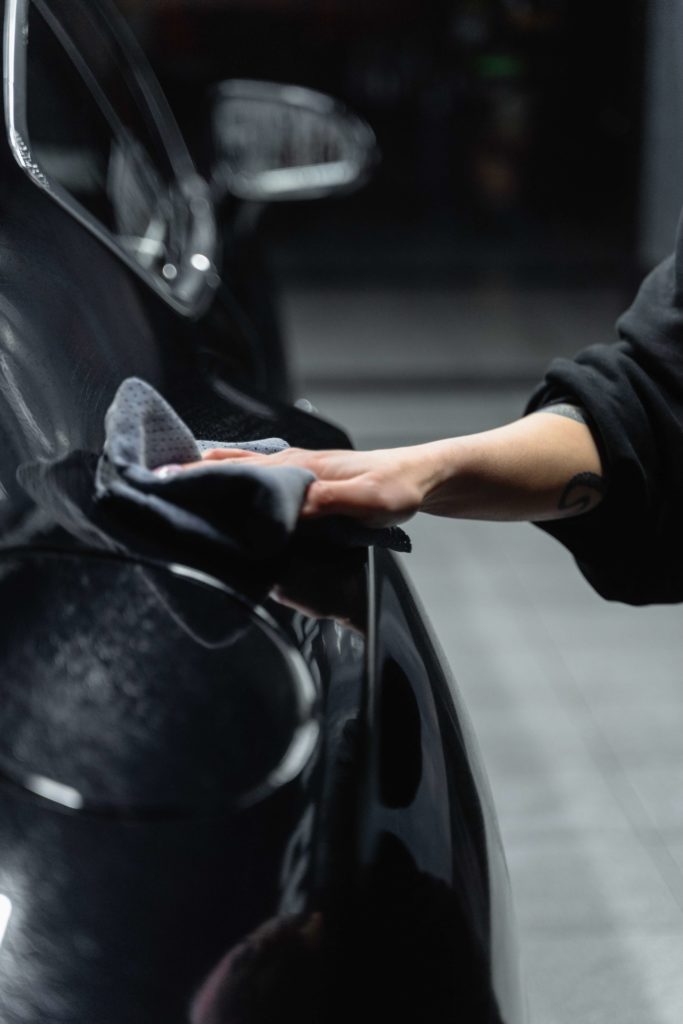 When installed correctly, PPF can enhance the ownership experience and protect your vehicle’s resale value — but what happens when PPF isn’t done right, or your installer isn’t certified or reputable?
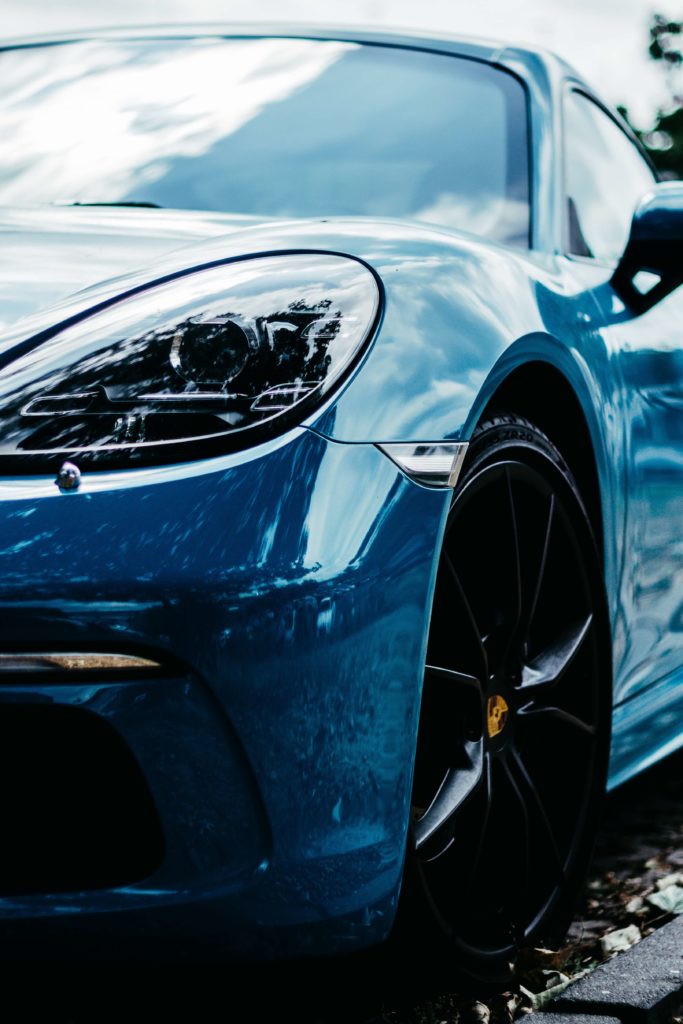
 What is PPF and what does it do?


