Does Ceramic Coating Eliminate the Need for Waxing?
- Posted April 15th, 2026
- •
- Category: Paint Protection
Ceramic coating eliminates the need for waxing by providing 5-8 years of paint protection and hydrophobic performance. In fact, applying wax to a professional ceramic coating can actually reduce its effectiveness.
Prior to the emergence of automotive ceramic in the early 2010s, wax was the gold standard for protection and shine. Because it was such an integral part of maintenance routines for decades, many drivers who invest in ceramic coating assume that a layer of wax will enhance its performance.
Here is what automotive enthusiasts need to know about the key differences between wax and ceramic, and why professionally applied coatings work best on their own.
 What Does Automotive Wax Do?
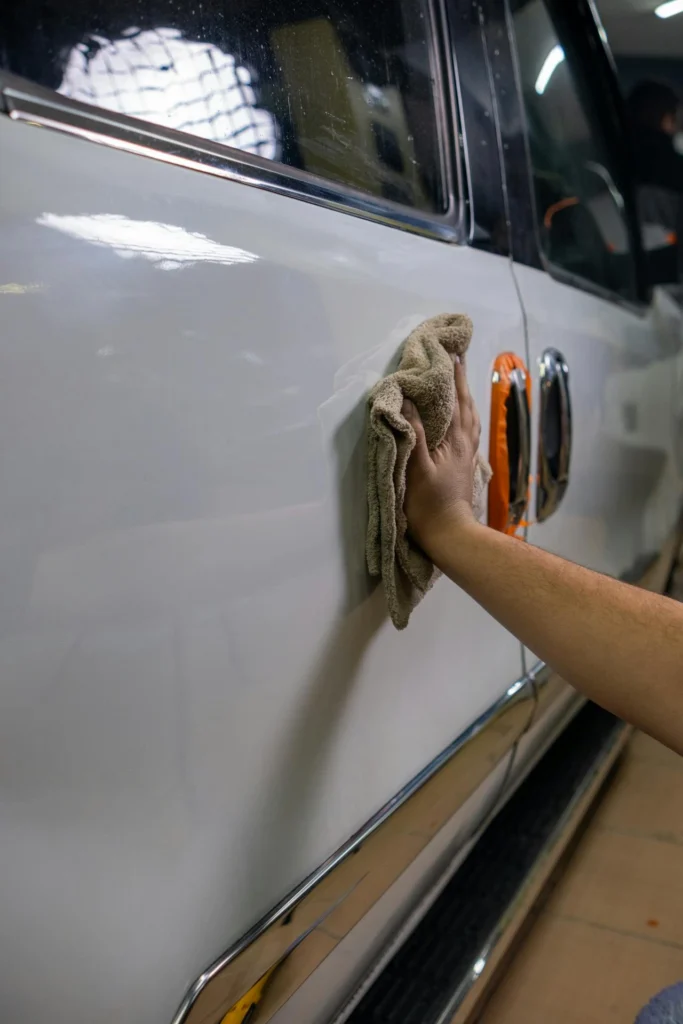
Whether it’s carnauba or synthetic, traditional auto wax serves a simple purpose: it adds a temporary protective layer to your vehicle’s clear coat.
When thoroughly applied, wax enhances paint’s gloss and depth while repelling moisture and contaminants. However, this protection is not without limitations:
- Short lifespan: Most waxes last anywhere from a few weeks to a few months at most.
- Heat sensitivity: High temperatures can cause wax to break down quickly.
- Limited durability: Rain, washing, and exposure to road grime gradually strip wax away.
- Labor-intensive application: DIY waxing can take several hours to complete, and you’ll need to reapply frequently to maintain protection.
Wax is effective, but it’s a short-term solution to a persistent problem. Without a consistent investment of time and effort, paint becomes vulnerable to etching and environmental hazards.
How Ceramic Coating Replaces Wax
Ceramic coating approaches paint protection differently. Instead of sitting on the surface like wax, it chemically bonds with your vehicle’s clear coat, forming a durable, semi-permanent layer of nanoglass.
The coating’s chemical properties create several advantages for drivers.
Long-Term Paint Protection
Professionally installed ceramic lasts up to eight years with proper care. Compared to waxes that need to be reapplied frequently, ceramic coating removes paint protection concerns from your recurring to-do list
Improved Hydrophobic Performance
Ceramic coatings are engineered to repel water and grime. When bug splatter and bird droppings don’t cling and rinse water beads up quickly, washing and drying become much less time-consuming.
UV and Chemical Resistance
Oxidation, road salt, environmental chemicals, and harsh sunlight can take a toll on paint. Ceramic coating adds a layer of resistance that protects your car’s clear coat from unavoidable elements.
Why You Shouldn’t Wax Over Ceramic Coating 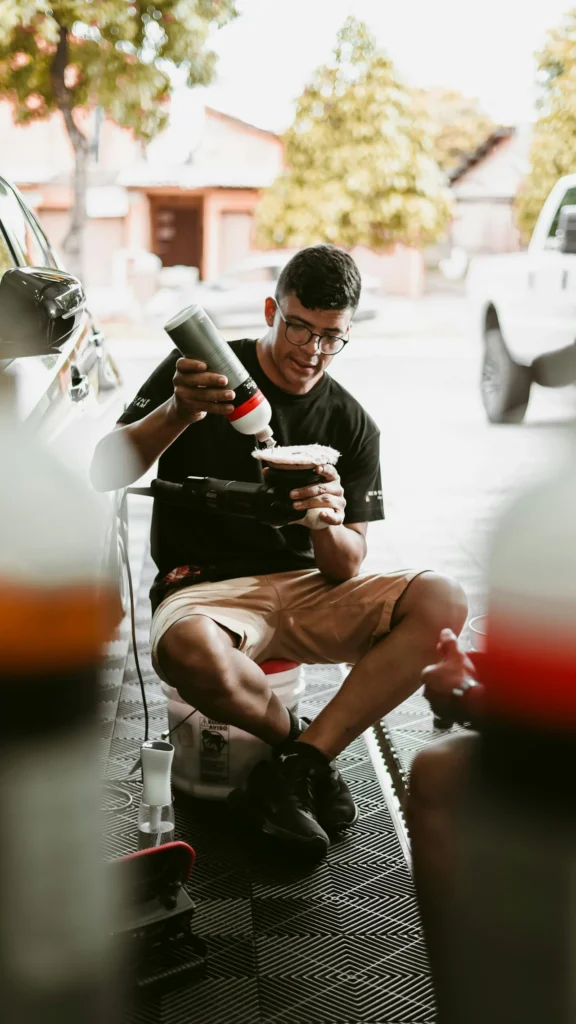
If you’ve installed a ceramic coating, put down the paste or spray bottle. Wax won’t enhance the performance of your ceramic, and, in some cases, it can actually interfere with its effectiveness.
It Can Reduce Water Resistance
Ceramic coatings are designed with specific surface properties that promote water beading and self-cleaning. Adding wax on top can:
- Alter surface tension
- Interfere with the coating’s ability to repel water
- Reduce the beading effect
It Can Mask the Coating’s Surface
Wax creates an additional layer that sits between the coating and the environment, changing how the surface interacts with water and contaminants. Rather than enhancing the coating, wax can create a performance barrier that helps grime cling.
It Reintroduces Unnecessary Maintenance
One of the primary benefits of ceramic coating is that it reduces the ongoing upkeep. Adding waxing back into your maintenance routine makes this savings of time and effort moot.
It May Void Manufacturer Warranties
Many professional-grade ceramic coatings come with warranty guidelines that specify approved maintenance products and care routines. Going outside of the manufacturer’s recommendations can compromise the coating and may even void your warranty.
Maintaining Ceramic Without Wax
Maintaining a ceramic-coated vehicle is much less labor-intensive than maintaining a waxed one, but proper care is still important for getting the most out of your coating. Swap out wax for good aftercare practices:
- Choose gentle, pH-neutral shampoos
- Use ceramic-safe detail sprays
- Schedule routine maintenance to have your coating professionally inspected, decontaminated, and boosted
- Follow all manufacturer guidelines for home care
Wax vs. Ceramic: The Long-Term Cost
While ceramic coating is a larger upfront investment than a bottle of spray-on wax, the time and money spent on temporary protection add up quickly.
A driver who reapplies wax bimonthly can expect to spend up to $1,200 and 90 hours (or nearly four days of their lives) waxing their car within a five-year period.
Despite the time and care routine waxing requires, it doesn’t contribute to your car’s resale value in the way that ceramic does. Not only do professional coatings signal that a vehicle has been well-maintained, but they also offer potential buyers the benefit of continuous protection with less upkeep.
Take Back Your Time
Eliminate one of the most time-consuming maintenance steps, and let your ceramic coating shine.
With the proper care, professional ceramic offers years of paint protection, easier cleanup, and consistent gloss. Reach out to the detailing experts at ATD to learn more about how ceramic coating can help you enjoy more and worry less.