919-760-6420

Electric vehicles are designed to last many years with fewer mechanical problems than gas-powered cars. Paint protection keeps your EV looking new and holding value throughout your investment’s long life. 

Beyond being quiet and efficient, electric vehicles lack many of the systems that require routine maintenance and costly repairs in traditional cars. With no motor or transmission to break down or oil changes to schedule, many EV owners buy new and plan to keep their vehicles for their entire (18+ year-long) service lives. 

Ceramic coating, PPF (paint protection film), window tint, and interior protection lock in that showroom look, so what’s outside the hood of your EV stays as functional and modern as what’s inside. 

Why EVs Need Extra Paint Protection + Interior Care

Electric vehicles are unique, and so are their long-term care considerations. 

EV Design Prioritizes Efficiency

The batteries that power electric vehicles are expensive — and heavy. A typical battery weighs between 600 and 1200 lbs, making EVs 10-30% heavier than gas-powered cars. 

To offset the expense and weight that comes with advanced battery technology, manufacturers often choose lightweight materials or finishes in certain non-structural areas of the vehicle.

Painted surfaces and plastic components may be practical choices, but they tend to show wear faster than owners expect, especially in vehicles that are driven daily.

Window tint and interior ceramic treatments protect those surfaces from day one so UV damage, cracks, and stains don’t give away your EV’s age. 

Electric Cars Spend More Time on the Road

One of the biggest advantages of electric vehicles is longevity, but the longer you own a car, the more opportunities there are for cosmetic damage to accumulate. 

Energy efficiency makes EVs ideal daily drivers, so they are typically expected to endure years of nonstop:

Electric vehicles left unprotected can quickly look older than their age due to frequent use. 

Face Road Hazards with PPF

Stress less about highway gravel and parking lot door dings with paint protection film. PPF provides a clear, seamless layer of protection that absorbs minor impacts and reforms to a perfectly smooth surface when exposed to sunlight or warm water. 

Depending on your needs and commute, PPF can be applied to your entire EV or to specific high-impact areas. Preventing paint chips before they occur helps avoid the expense of paint correction and the hassle of color matching (especially when it comes to limited-edition vehicles). 

Get Protection + Gloss with Ceramic Coating

Unlike waxes that wear away after a few months, professional ceramic coatings chemically bond to your vehicle’s clear coat for durable, long-lasting protection.

Benefits include:

Many EV owners appreciate ceramic coating because it helps keep the vehicle looking freshly washed with less effort — a huge benefit for darker paint colors that easily show dust and water spots.

Stay Safe + Cool with Window Tint

Window tint blocks harmful rays from entering the cabin of your EV, keeping your car’s interior and your own skin safe from UV damage. 

Plastics, fabric, and synthetic materials can degrade quickly with sun exposure. High-quality window tint protects interiors while also: 

When covered parking spaces aren’t available, window film lets you bring your own shade wherever you go. 

Prevent Interior Wear with Ceramic

Electric vehicle interiors often feature vegan leather upholstery and matte plastic trims for a modern appearance that doesn’t add excessive weight and expense. 

Over time, these surfaces are particularly vulnerable to fading, cracking, and peeling. Add in an abundance of screens and other high-touch surfaces, and it’s clear why unprotected electric vehicles can look prematurely lived-in.

Fortunately, the same ceramic that protects automotive paint also guards against fingerprints, stains, and wear inside your car’s cabin. Ceramic’s hydrophobic polymers repel moisture and UV radiation while reinforcing lightweight materials. 

Professional interior protection can help preserve:

Enjoy the drive more knowing that spills are easier to clean and smudges will wipe right away. 

Don’t Wait to Protect Your EV

One of the biggest mistakes EV owners make is waiting until damage appears before investing in protection. Swirl marks, rock chips, oxidation, and staining are much easier to prevent than they are to repair.

Applying ceramic, PPF, and window film when your vehicle is new preserves its factory-fresh appearance before daily driving has a chance to take its toll.

Plan for the Long Haul with ATD

Your electric vehicle is built to run for many years, but it doesn’t have to look its age. 

Whether you’ve just driven home a brand-new EV or want to refresh one you’ve owned for several years, ATD Detailing can recommend the right combination of protection based on how you drive and how long you plan to keep your vehicle.

Contact us today to learn how professional paint protection can help preserve your electric vehicle’s finish, inside and out.
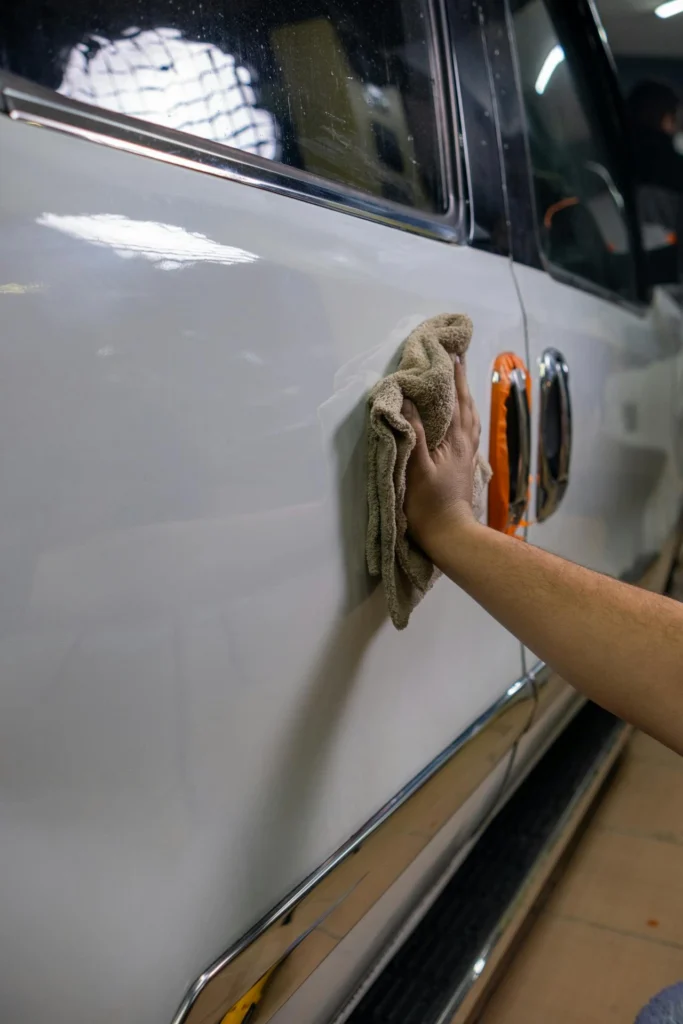
Ceramic coating eliminates the need for waxing by providing 5-8 years of paint protection and hydrophobic performance. In fact, applying wax to a professional ceramic coating can actually reduce its effectiveness. 

Prior to the emergence of automotive ceramic in the early 2010s, wax was the gold standard for protection and shine. Because it was such an integral part of maintenance routines for decades, many drivers who invest in ceramic coating assume that a layer of wax will enhance its performance. 

Here is what automotive enthusiasts need to know about the key differences between wax and ceramic, and why professionally applied coatings work best on their own. 

ceramic coating eliminates the need for waxingWhat Does Automotive Wax Do?

Whether it’s carnauba or synthetic, traditional auto wax serves a simple purpose: it adds a temporary protective layer to your vehicle’s clear coat. 

When thoroughly applied, wax enhances paint’s gloss and depth while repelling moisture and contaminants. However, this protection is not without limitations:

Wax is effective, but it’s a short-term solution to a persistent problem. Without a consistent investment of time and effort, paint becomes vulnerable to etching and environmental hazards. 

How Ceramic Coating Replaces Wax

Ceramic coating approaches paint protection differently. Instead of sitting on the surface like wax, it chemically bonds with your vehicle’s clear coat, forming a durable, semi-permanent layer of nanoglass.

The coating’s chemical properties create several advantages for drivers.

Long-Term Paint Protection

Professionally installed ceramic lasts up to eight years with proper care. Compared to waxes that need to be reapplied frequently, ceramic coating removes paint protection concerns from your recurring to-do list

Improved Hydrophobic Performance

Ceramic coatings are engineered to repel water and grime. When bug splatter and bird droppings don’t cling and rinse water beads up quickly, washing and drying become much less time-consuming. 

UV and Chemical Resistance

Oxidation, road salt, environmental chemicals, and harsh sunlight can take a toll on paint. Ceramic coating adds a layer of resistance that protects your car’s clear coat from unavoidable elements. 

Why You Shouldn’t Wax Over Ceramic Coating a driver without ceramic coating still has to wax his car

If you’ve installed a ceramic coating, put down the paste or spray bottle. Wax won’t enhance the performance of your ceramic, and, in some cases, it can actually interfere with its effectiveness. 

It Can Reduce Water Resistance

Ceramic coatings are designed with specific surface properties that promote water beading and self-cleaning. Adding wax on top can:

It Can Mask the Coating’s Surface

Wax creates an additional layer that sits between the coating and the environment, changing how the surface interacts with water and contaminants. Rather than enhancing the coating, wax can create a performance barrier that helps grime cling. 

It Reintroduces Unnecessary Maintenance

One of the primary benefits of ceramic coating is that it reduces the ongoing upkeep. Adding waxing back into your maintenance routine makes this savings of time and effort moot. 

It May Void Manufacturer Warranties

Many professional-grade ceramic coatings come with warranty guidelines that specify approved maintenance products and care routines. Going outside of the manufacturer’s recommendations can compromise the coating and may even void your warranty. 

Maintaining Ceramic Without Wax

Maintaining a ceramic-coated vehicle is much less labor-intensive than maintaining a waxed one, but proper care is still important for getting the most out of your coating. Swap out wax for good aftercare practices: 

Wax vs. Ceramic: The Long-Term Cost

While ceramic coating is a larger upfront investment than a bottle of spray-on wax, the time and money spent on temporary protection add up quickly. 

A driver who reapplies wax bimonthly can expect to spend up to $1,200 and 90 hours (or nearly four days of their lives) waxing their car within a five-year period. 

Despite the time and care routine waxing requires, it doesn’t contribute to your car’s resale value in the way that ceramic does. Not only do professional coatings signal that a vehicle has been well-maintained, but they also offer potential buyers the benefit of continuous protection with less upkeep. 

Take Back Your Time 

Eliminate one of the most time-consuming maintenance steps, and let your ceramic coating shine. 

With the proper care, professional ceramic offers years of paint protection, easier cleanup, and consistent gloss. Reach out to the detailing experts at ATD to learn more about how ceramic coating can help you enjoy more and worry less. 


Paint protection film (PPF) is one of the best ways to shield your vehicle’s paint from chips, scratches, UV damage, and other everyday wear.

With the right care, properly installed PPF can be expected to last many years — but like all components of your vehicle, it will eventually need to be serviced. Over time, exposure and wear will degrade the film, reducing both its appearance and its protective capabilities.

If your current PPF is reaching the end of its lifecycle, your car’s finish may be vulnerable to damage. Get to know the common signs that your PPF is due for replacement and avoid gaps in your paint protection. 

a detailer removes old ppf that is peelingThe Lifespan of PPF

The longevity of your PPF is impacted by many factors, including the quality of the film, the skill of the installer, and your maintenance and driving habits. 

Vehicles that spend more time outdoors, encounter harsh weather, or see frequent highway driving may experience faster wear than garage queens, but in general, premium films like XPEL can be expected to last between 7 and 10 years. 

Signs Your PPF is Starting to Fail

As the polymers age, clarity, elasticity, and self-healing properties may decline even if the film itself is still technically intact. Pay attention to the warning signs of deterioration to schedule a timely replacement. 

1. Yellowing and Discoloration

Though most premium films contain UV inhibitors, years of sun exposure can still cause gradual changes in color. Over time, you may notice a yellowish tone, especially on white or light-colored vehicles. 

Yellowed PPF is more than an aesthetic issue — it indicates that the protective outer layer is breaking down, leaving the film more vulnerable to staining and surface damage. If your once-clear film now appears tinted or uneven in color, it will likely need to be replaced to restore your vehicle’s clean, uniform look.

2. Cracking and Peeling

PPF is designed to flex and conform to your vehicle’s panels, but film loses its elasticity with age. When this happens, you may start to notice cracks, brittle sections, or lifting along edges and seams. These issues often begin in high-impact areas such as the front bumper, hood, or side mirrors.

Once edges begin to lift, dirt and moisture can work their way underneath the film. This both compromises the adhesive bond and increases the risk that trapped contaminants will scratch the underlying paint.

If you see peeling corners or areas where the film is separating from the surface, it’s a clear indication that replacement is overdue.

3. Cloudiness

High-quality PPF should enhance your vehicle’s finish with a smooth, glossy look. If your car has taken on a hazy or textured appearance, oxidation may have begun to break down the film’s outer layer. 

When PPF loses its optical clarity, it no longer blends seamlessly with your paint. Deteriorating film makes even well-cared-for vehicles look old and poorly maintained. 

4. Reduced Self-HealingA detailing technician replaces old PPF and applies new paint protection film

Functional PPF has self-healing properties that allow light swirl marks and scratches to disappear when the film is exposed to heat from the sun or warm water. 

If you notice that surface damage is no longer disappearing the way it once did, the film’s elastomeric top layer may be breaking down, leaving your clearcoat vulnerable to damage. 

5. Damage from Impacts

PPF is designed to absorb the impact of small debris, but repeated hits will eventually take their toll. Chips, deep gouges, and punctures are proof that the film has done its job, but its structural integrity is now compromised.

Damaged sections of film can’t provide consistent protection. Fortunately, in these situations, it may be possible to replace only the affected panels. 

Why You Shouldn’t Wait to Replace PPF

If your PPF is approaching the end of its life, don’t wait for a total failure to schedule a replacement.

As film ages, its adhesive bond can harden and become difficult to remove cleanly. In severe cases, neglected PPF can crack during removal or leave behind stubborn adhesive residue that requires extensive detailing to remove.

Replacing your film in a timely manner helps preserve the condition of the underlying paint and allows installers to remove and replace it without extra labor and expense. 

The Risks of DIY PPF Removal

If your PPF has started lifting, it can be extremely tempting to try to remove it at home. Before you start peeling, however, be aware of the risks. 

Film that has been on your vehicle for many years has had time to bond tightly to its paint. Without the proper tools and a carefully-controlled heat source, it can tear into small fragments instead of lifting cleanly. This can leave behind patches of adhesive that require strong chemicals to dissolve. 

Pulling the film at the wrong angle or speed can also cause it to snap, leaving portions still attached. Removing these fragments becomes a time-consuming process that greatly increases the likelihood of accidental paint damage.

Surface unevenness and left-behind adhesive will prevent new PPF from bonding properly, and the necessary professional correction can easily turn a money-saving DIY attempt into a compounded expense. 

Planning Your Replacement

Routine maintenance care is an effective way to both extend the life of your PPF and stay proactive about replacements. An experienced installer can evaluate the condition of the film, identify areas of concern, and advise on whether full or partial replacement is necessary to keep your paint protected. 

Whether you opt for full-coverage PPF or a clear bra for high-impact areas, replacing aging PPF before it fails helps maintain both the appearance and long-term value of your vehicle.

If your PPF is beginning to show its age, reach out to the detailing experts at ATD to refresh your protection and restore your vehicle’s flawless finish.


Ceramic coating is known for protecting a vehicle’s paint, enhancing shine, and simplifying maintenance. With the rise of online tutorials and affordable DIY kits, it’s no surprise that many car owners decide to try applying a coating themselves. 

DIY ceramic may seem like a great way to save money on paint protection, but despite promises of “fast and easy” at-home applications, ceramic coating is actually one of the most unforgiving products you can put on your vehicle. 

When applied correctly, it’s beautiful and glossy. When it goes wrong, mistakes are frustrating, expensive, and time-consuming to fix. If you’re exploring the possibility of installing ceramic coating yourself, here are a few things to consider before you commit. 

close up of man opening the door of a ceramic coated carWhy DIY Ceramic Coating Is Risky

Unlike waxes or sealants that sit on top of your vehicle’s clear coat, ceramic coatings chemically bond to your paint. This creates a semi-permanent layer that hardens as it cures. While this property is great for durability, it also means the product is incredibly sensitive to how it’s applied.

DIY kits usually present the process as simple: wipe it on, buff it off, and enjoy years of protection. In reality, ceramic coating requires:

When any of these steps is rushed or skipped, the coating will not cure evenly, and flaws often aren’t visible until the coating has already hardened. 

What Are High Spots and How Do They Affect Results?

The most common complaint from DIY ceramic applications is something detailers call high spots. These are areas where the coating is excessively thick, or where the product wasn’t fully leveled before it began to cure.

How Do High Spots Happen?

High spots usually come from one of the following mistakes:

Any of these missteps can result in rough or textured patches, as well as a coating that appears dull, hazy, or oily in the light. 

Once curing happens, these imperfections can’t be buffed away and won’t fade with time — they become part of the coating.

High Spots Aren’t Just Cosmetic

Though high spots will certainly make your vehicle less attractive, the problems don’t end there. They can:

Because ceramic bonds chemically to your clear coat, these issues will persist until you have the coating removed. 

Other Common Issues with At-Home

a woman's hand on a car with DIY ceramic

 Ceramic Coating

High spots may be the most obvious risk of DIY ceramic, but they aren’t the only thing that can go wrong when working with such a temperamental product. Attempting to install ceramic in a home garage environment often leads to:

How to Fix a Ceramic Coating Gone Wrong

DIY kits promise to save you money, but if the application goes badly, it will cost more to correct the problem than a professional ceramic application would have cost in the first place. 

Ceramic coatings cannot simply be stripped or dissolved. Because they bond to the clear coat, removing a bad coating almost always requires machine polishing or multi-stage paint correction.

A detailer will have to carefully remove the uneven ceramic layer, level the clear coat underneath, and decontaminate all surfaces before the coating can be properly re-applied. 

In these situations, the detailer essentially has to do the job twice (once to fix the mistake and again to apply a new coating). What started as a money-saving DIY project can easily become an expensive headache.

How Professional Ceramic Saves You Money

While you can expect a professional ceramic application to cost more upfront, it also pays you back over time.

A qualified detailing shop not only has the best tools for the job, but also a level of control over the installation environment that is difficult to accomplish in a home garage. Professionals work in spaces with optimal lighting, temperature, and humidity. This ensures the coating flashes at the right rate, high spots are caught before they cure, and environmental contaminants don’t get trapped in your coating. 

Professional results look better and last longer, protecting your investment and adding to your vehicle’s resale value. What’s more, expert-installed ceramic coatings typically come with maintenance plans and warranties, guaranteeing you many years of shine and protection. 

Trust the Pros for a Flawless Finish

Ceramic coating is one of the best ways to protect your vehicle, but only when it’s applied correctly. DIY kits may seem appealing, but the risks can turn a simple weekend project into a costly repair.

If you want diamond-hard protection, lasting gloss, and the peace of mind that comes with expert application, ATD has you covered. 

The cost of new and used vehicles has risen dramatically in recent years, which means it’s more important than ever to protect your investment. 

Whether you own a high-end car or a hard-working daily driver, preserving resale value isn’t just about keeping your vehicle clean — it’s about maintaining the features that make it more desirable to future buyers. By investing in professional detailing and proactive protective treatments, you can help your car look its best and retain more of its value when it’s time to upgrade. 

red convertible maintains value with auto detailingUnderstand What Determines a Car’s Resale Value
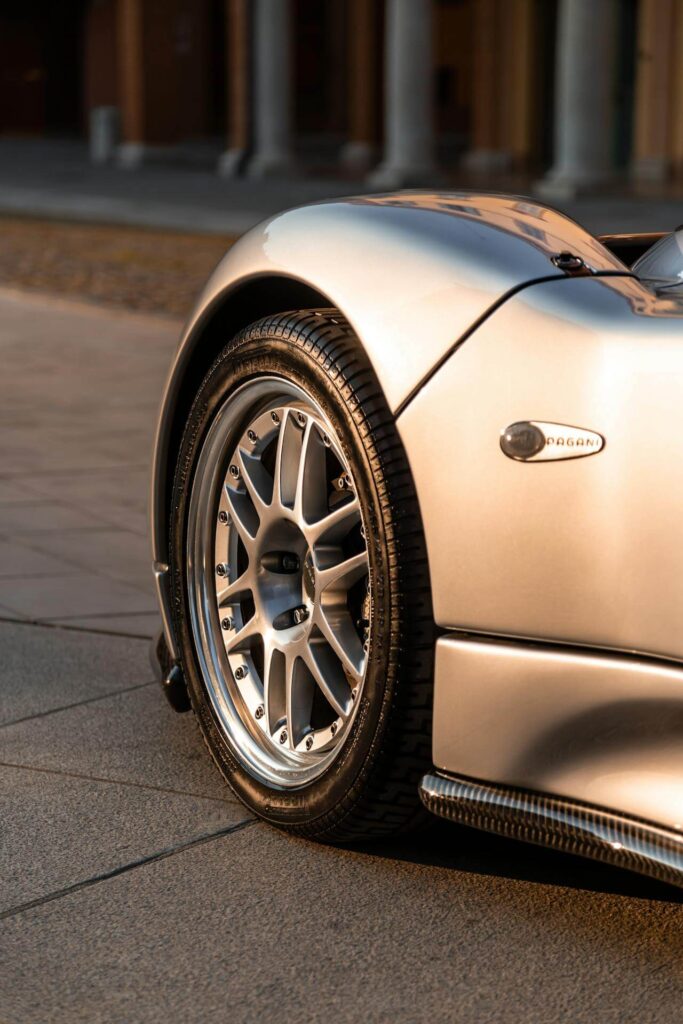
Car valuation tools (like Hagerty for rare, exotic, and collectible models, or Kelley Blue Book for daily drivers) rely on factors like condition, mileage, and maintenance history to estimate resale value. For premium or exotic vehicles, condition is especially important. 

Buyers and collectors look for signs of careful ownership. Paint quality, interior condition, and whether the car has been well-protected from environmental wear all influence how a vehicle is perceived and priced. Two identical cars can differ in value by thousands of dollars or more based solely on how well one has been cared for.

Shield Original Paint with Paint Protection Film (PPF)

For vintage and classic cars, keeping the original factory paint intact is often critical to maintaining value. Repainting, even with a perfect color match, can reduce resale appeal in some cases. One of the best ways to protect your car’s exterior value is to protect the paint itself. 

Paint protection film (PPF) is a transparent self-healing layer that guards against:

PPF provides a crystal clear defensive barrier that won’t alter the finish beneath it. Because ATD Detailing specializes in precision PPF installation using XPEL’s proprietary plotting software, we’re able to offer a transparent, seamless PPF installation for many rare and exotic vehicles. 

Get Protection that Shines with Ceramic Coating

Ceramic coating provides diamond-hard, high-gloss protection that blocks corrosion and UV damage while preventing grime from clinging to your paint. 

Ceramic’s liquid polymers bond with your car’s surface to create a hydrophobic shield that repels water, dirt, and chemicals. Beyond making it faster and easier to wash your car, a professionally applied ceramic coating helps prevent oxidation, fading, and etching from acid rain. Ceramic can be layered over PPF for additional protection or installed directly on top of your clear coat. Because ceramic begins as a liquid, there’s no need to pattern-match panels, making it ideal for very rare collectibles. 

When maintained properly, a ceramic coating offers years of protection and gloss that will keep your vehicle looking freshly detailed with less effort. To potential buyers or appraisers, that lasting shine signals that the vehicle has been properly cared for — a confidence booster that translates into higher resale value.

Don’t Neglect Your Interiorexotic car maintains value with paint protection

Interior condition has a major impact on value, especially for luxury cars that feature high-quality materials like leather, Alcantara, and genuine wood trim.  Cracked seats, faded fabric, and lingering odors are hard to correct once the damage has set in, especially in situations where maintaining originality is important.

A good at-home interior maintenance schedule that incorporates regular professional detailing will keep deterioration at bay. Services such as leather conditioning, fabric protection, and deep cleaning maintain the look and feel of a well-cared-for cabin. 

Be sure to consult manufacturer recommendations when choosing products and techniques for interior care. ATD uses products designed for delicate materials to help luxury interiors stay supple, clean, and protected from UV damage and daily wear. 

Consider Professional Window Tint

While it may not be an option for vintage restoration projects, high-quality window tint is a protective investment that pays off for many drivers. Besides adding privacy and enhancing style, tinting blocks harmful UV rays that fade upholstery and weaken interior materials. It also reduces interior heat, helping keep cabin temperatures comfortable and minimizing wear on electronics and climate systems.

When it comes to window tint, professional installation matters a great deal. Poorly applied or low-grade film can bubble, peel, or discolor over time, hurting rather than helping your car’s value. 

Keep Tabs on Your Car’s Value

It’s a good idea to check your vehicle’s market value once or twice a year using Hagerty or other valuation tools. If your car has appreciated (especially if it is a limited-production or classic model), it’s time to evaluate whether additional paint protection is necessary to keep pace with its resale value.

Protect Your Investment With ATD Detailing

Whether you’re maintaining a daily driver or curating a collectible, ATD can tailor a protection plan around your car’s current condition, usage, and long-term ownership goals.

Safeguarding your car’s resale value requires a proactive approach to maintenance and care. From paint protection film and ceramic coating to expert interior care and routine detailing, ATD can help you enjoy your vehicle more today and maximize your ROI in the future.

If you’re short on time, your local drive-thru carwash might seem like a fast and easy way to clean up your vehicle. What many drivers don’t realize is that the abrasive brushes, harsh chemicals, and incomplete rinsing that come with automatic carwashes can do more harm than good. 

At ATD Detailing, we’ve seen too many trips through the carwash (even the “touchless” kind) end in damaged paint and compromised protective coatings. Here’s why the convenience just isn’t worth the risk.

neon sign for carwash that used reclaimed water and harsh chemicalsDirty Carwash Brushes

The spinning brushes and hanging cloth strips in soft-touch carwashes don’t get cleaned thoroughly between uses. If you’re aware of the importance of the two-bucket system for handwashing, the problem is clear: grit, dirt, and road debris from every vehicle that has gone ahead of you will be dragged across your paint as you pass through. 

To make matters worse, it’s impossible to know how well the bay has been maintained. When brushes and agitators start to break down, exposed metal components can leave your car with deep scratches and dents — and you with little recourse for the damage. 

Harsh Automotive Cleaning Chemicals

To clean as many cars as quickly as possible, automatic carwashes use strong chemicals designed to strip away grime fast. Unfortunately, those same cleaners can also break down wax, sealants, and paint protection, leaving your vehicle vulnerable to oxidation and UV damage. 

Professionally installed paint protection film (PPF) and ceramic coatings come with specific aftercare instructions to ensure their longevity.  If your vehicle comes into contact with chemicals outside of the manufacturer’s recommendations, you can drastically shorten the lifespan of your protection or even void your warranty. 

Reclaimed Water

The water used in automatic carwashes is often reclaimed and may not be properly filtered. This means that you could wash your car only to rinse it with sediment-heavy or contaminated water that leaves residue behind.

Automatic washes rarely dry your car thoroughly, and if mineral-rich water is left behind, the result is unsightly water spots. Over time, these deposits can etch into the clear coat, causing permanent damage that can only be removed through professional paint correction.

Why “Touchless” Doesn’t Mean “Risk Free” a red car covered in soap from improper rinsing in automatic carwash

Touchless carwashes might sound like a safer alternative since you don’t have to worry about brushes and agitators making contact with your paint. However, to make up for the lack of friction, touchless bays rely on very high water pressure and acidic or alkaline chemicals. 

These cleaning products carry the same risks as those used in standard automatic carwashes and can cause streaking, clouding, and degradation with repeated use. 

Avoid the Carwash and Protect Your Paint

The way you clean and care for your vehicle makes a dramatic difference in the lifespan of your paint protection, the health of your paint, and ultimately, your overall resale value. 

Skip the automatic carwash and avoid the unnecessary risk. 

Use Proper Washing Techniques

For home washing, choose microfiber cloths, use only manufacturer-approved cleaning products, and always keep your wash and rinse water separate. 

If you haven’t already done so, investing in ceramic coating is a great way to protect your paint and keep the washing process gentle by preventing dirt and grime from adhering to your car’s surface. 

Maintain Your Ceramic Coating with Annual Inspections

Keep your paint protection going strong with annual maintenance visits. While automatic carwashes compromise your ceramic coating, ATD’s detailing experts are here to extend its life by removing built-up contaminants and boosting its hydrophobic properties. 

Trust Professional Detailing

If you’re short on time or just want a deeper clean, professional automotive detailing is a great way to get your vehicle looking its best. Periodic detailing is important for the areas of your car that are often overlooked during regular washes, and it can help arrest damage before it becomes an unsightly problem. 

Good maintenance practices can’t compete with automatic carwashes when it comes to speed, but their results speak for themselves over time. 

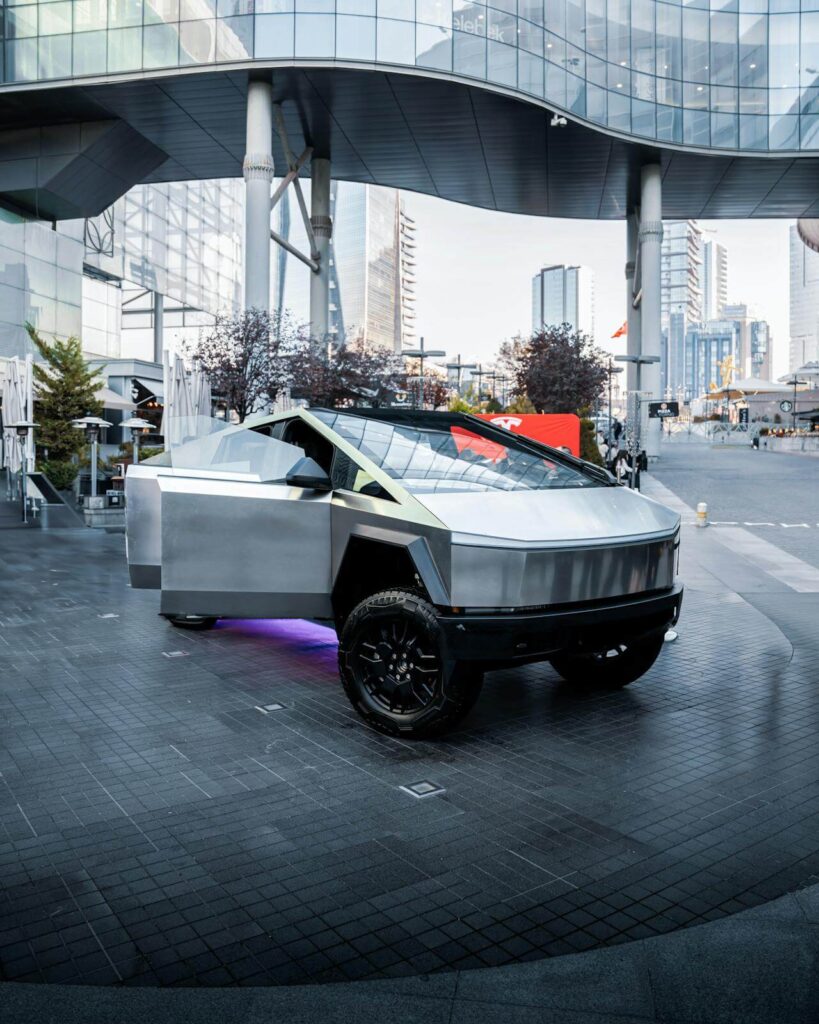
With its sharp angles and raw stainless-steel exterior, Tesla Cybertrucks make a bold statement on the road. However, many Cybertruck owners have noticed the iconic finish comes with unique upkeep challenges. Even the most meticulous homecare struggles to offset how easily the surface shows fingerprints, smudges, and other marks.

If you enjoy the Cybertruck’s futuristic look but worry about its maintenance requirements and vulnerability to damage, ATD’s paint protection options make it easier to keep your Tesla looking new.

tesla cybertruck has smudges and bug splatter from driving on a remote mountain roadPPF for Cybertrucks

Anyone who has ever struggled to keep a stainless steel refrigerator looking polished can relate. The lack of a clear coat gives Cybertrucks their distinctive finish but also renders minor scratches, smears, smudges, swirls, and door dings highly visible. 

Should you ever decide to sell your Cybertruck, small surface flaws can lower your resale value. PPF (paint protection film) protects your Tesla with a durable, self-healing second skin that:

If you want to protect your Cybertruck while preserving that “unfinished” look, XPEL’s premium matte, satin and color PPF options offer coverage that compliments your vehicle’s industrial aesthetic. Reach out to our detailing experts to explore colors and finishes that will keep your Tesla looking sharp and modern. 

Prevent Corrosion with Ceramic Coating

Although stainless steel is designed to resist rust and corrosion, Cybertruck owners have to be diligent about removing environmental contaminants and abrasives before they damage the vehicle’s surface.

Road salt, acid rain, and metal particles from construction dust can tarnish Cybertrucks over time. What’s more, the unfinished metal surface can be especially unforgiving of bad washing techniques. 

tesla cybertruck with purple underlights parked under a bridge in downtown Las VegasCybertruck owners who want a layer of protection from the elements are turning to ceramic coating to reduce the demands of maintenance. When professionally applied, this liquid polymer creates a hydrophobic, nonstick barrier that makes stainless steel: 
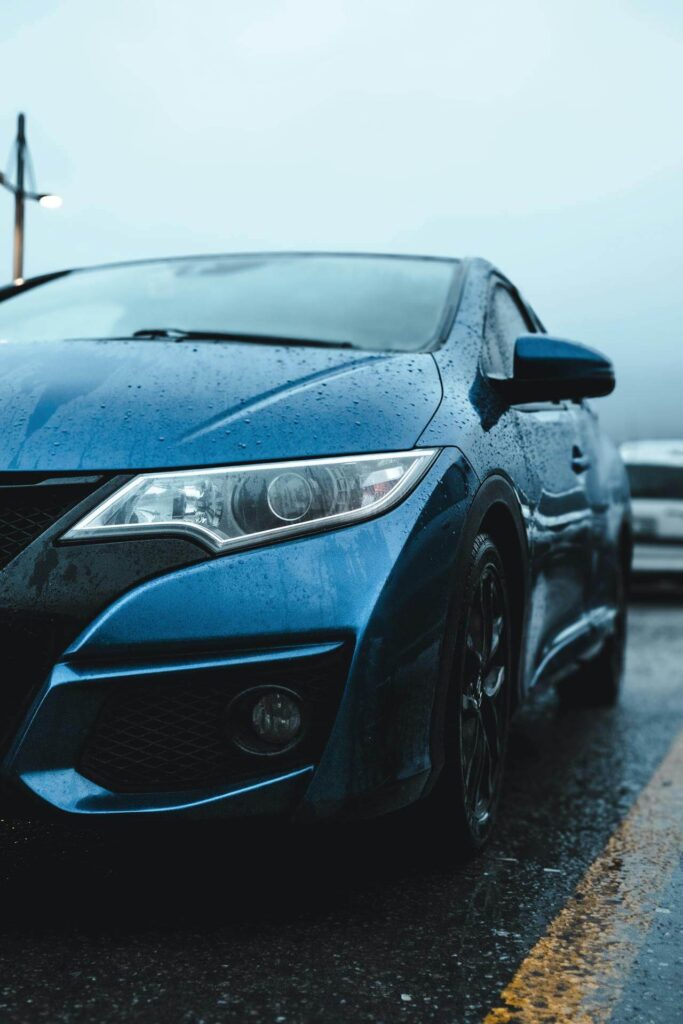
If you’re familiar with ceramic coating’s high-gloss reputation, you may be concerned that it will fundamentally alter the look of your Cybertruck. Fortunately, premium coatings are designed to enhance your existing finish rather than alter it. When properly prepped and applied, ceramic coating will only deepen and enhance the appearance of stainless steel, not turn it into polished chrome. 

Trust Your Cybertruck to ATD

When it comes to paint protection for specialty vehicles, the expertise of your installer matters a great deal. We rely on XPEL’s premium products and world-class PPF pattern repository to ensure a perfect fit and lasting coverage that enhances your ROI. 

Stand Out With Invisible Paint Protection

Your Cybertruck wasn’t made to blend in. Get paint protection that preserves its unique look while simplifying maintenance and preventing unsightly smudges, scratches, dings, and corrosion. 

The detailing experts at ATD are here to help you explore your paint protection options and keep your Cybertruck looking sharp for many years to come. 

When properly maintained, professionally applied ceramic coating offers many years of protection against UV damage, corrosion, and environmental hazards. 

The longevity of your coating will depend heavily on the quality of your aftercare, but it has no set expiration date. In general, reapplication is only necessary if your ceramic coating has stopped doing its job. Here is what drivers need to know about how to extend the life of ceramic coating — and when to recoat. 

car in the rain doesn't need to be recoatedSigns Your Ceramic Coating Is Breaking Down
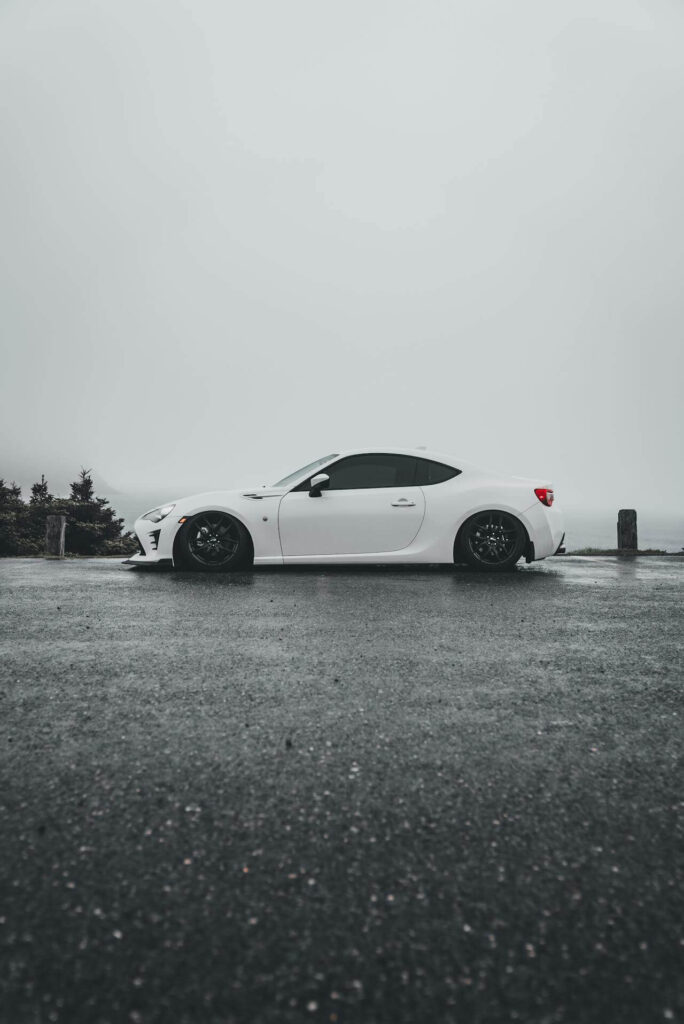
The beauty of ceramic coating is that it repels water, shuts out the elements, and makes it much easier to remove dirt and grime from the exterior of your car. When your coating starts to fail, you’ll notice a decline in these properties. 

Loss of Hydrophobic Performance

One of the easiest ways to tell that a coating is beginning to fail is by how water behaves on the surface. When your coating is healthy, you’ll see water bead up tightly and roll off. 

If water starts to sheet instead of bead, that’s a sign your coating might be losing effectiveness. 

Failing Hood and Roof Panels

The horizontal panels of your vehicle (like the hood, roof, and trunk) get more exposure to UV rays, bird droppings, tree sap, and other environmental hazards. Because of this, they tend to break down before the rest of the vehicle. 

The good news? If only these panels are failing, it’s usually possible to reapply ceramic those areas instead of the entire vehicle. 

The Importance of Annual Maintenance

The best way to determine whether it’s time to reapply ceramic is to bring your vehicle in for regular maintenance visits. Not only can our automotive experts inspect your coating and make recommendations, but they can also maximize your investment by adding years to your ceramic’s lifespan. 

Here is what you can expect from your annual maintenance visit at ATD.

Decontamination Washwhen to reapply ceramic on luxury car

Our specially formulated decontamination wash gently removes environmental contaminants, soap scum, hard water residue, and built-up grime from the surface of your vehicle. 

In some cases, this deep clean is enough to restore the coating’s hydrophobic behavior — no reapplication necessary.

Ceramic Boost Application

After the decon wash, we apply XPEL’s ceramic boost product to help rejuvenate and protect the coating. This boost improves water beading and gives your coating a fresh layer of resistance to contaminants.

Professional Inspection

During every maintenance visit, we thoroughly inspect the condition of your coating. This inspection lets us catch minor issues before they become major problems and helps us advise you on how to keep your coating at peak performance.

Full vs. Partial Ceramic Reapplications

Many automotive enthusiasts are surprised to learn that they don’t always need to reapply ceramic to their entire car. If only some areas of your vehicle are starting to fail, panel-specific reapplication can keep your car’s finish looking flawless without unnecessary work and expense.

Schedule a Ceramic Maintenance Appointment

Ceramic coating is a smart investment in your vehicle’s long-term appearance and value. Our annual ceramic maintenance service is designed to help you avoid premature failure, catch issues early, and stretch the life of your coating as far as it can go.

Reach out to our detailing experts to schedule your annual maintenance visit and we’ll help you get the most out of your ceramic coating. 

The smallest particles of road debris can present the biggest threat to your car’s paint. Loose gravel, construction grit, and road salt are a virtually unavoidable part of highway driving, and that damage can add up over time. Unfortunately, paint imperfections aren’t just an eyesore — they have a direct impact on your vehicle’s resale value.

A clear bra, or paint protection film (PPF), is an excellent way to protect your car’s most vulnerable areas from paint chips, scratches, and abrasions. Here’s what drivers need to know about the benefits of a properly-installed clear bra.

professional detailer installing clear braWhat Are Clear Bras?

A clear bra is a type of PPF that is applied to the high-impact areas of your car. It will typically cover your:

The installation pattern may resemble a brassiere, but this very thin sheet of transparent, durable polymer will form a nearly invisible barrier between your paint and the road.

Unlike full-body PPF applications, clear bras are a more targeted approach. It’s designed to protect the parts of your vehicle that are most likely to take the hit from road debris, making it a popular option for both daily drivers and high-performance vehicles alike.

How Chips Happen (and Why Luxury Cars Are at Risk)

Anyone who plans to leave their garage is at risk for paint damage. Between road salt in the winter and bug splatter in the summer, it’s impossible to hide from highway hazards. Drivers in the Raleigh Metro area face ongoing construction, which means even higher concentrations of road tar, grit, and gravel.

While any car can fall victim to paint chips, luxury and performance vehicles often sit lower to the ground and feature more delicate factory paint finishes. That makes them especially vulnerable — and more expensive to repair when damage occurs.

How Clear Bras Help Prevent Chipsluxury care with clear bra ppf

So how does a clear bra actually stop chips?

Clear bras are engineered to absorb impact. When debris hits your car’s surface, that energy disperses across the film instead of penetrating through to the paint. Premium films also offer self-healing properties, meaning minor scratches and swirl marks disappear with heat from the sun or warm water.

Why Professional Installation Matters

There are plenty of DIY PPF kits on the market, but be wary of products that claim that installation is as simple as “peel and stick.” 

There’s nothing worse than a clear bra that isn’t — a bad application will result in visible seams, misaligned panels, bubbles, and creases that will draw the wrong kind of attention. Improperly installed film can even trap dirt and moisture, causing paint damage to fester even when you aren’t on the road. 

ATD avoids these risks by pairing premium film with XPEL’s proprietary routing software. XPEL holds the world’s largest pattern repository, ensuring that even rare, exotic, and vintage cars get a perfect fit. 

If you want to protect your investment, leave the installation to the pros. 

Is a Clear Bra Right for My Car?

If you plan to use and enjoy your vehicle, clear bras can be a very smart investment. It offers high-impact protection without the cost of full-body coverage, making it ideal for drivers who want targeted defense against chips and scratches.

Not sure whether to protect just the front or go all-in? The detailing experts at ATD have paint protection solutions that will suit your needs and budget. Check out our related blog post: Should I Put PPF on My Whole Car? for a deeper dive into different levels of protection to see what’s right for you. 

Your car’s paint isn’t just there to look shiny — it serves as a protective barrier against the elements, warding off rust and corrosion. A pristine paint job also factors into your ROI. Vehicles with eye-catching finishes actually hold their value better over time. 

Don’t let UV rays, road debris, dirt, and harsh weather conditions take a toll on your paint job. Small changes to the way you garage and care for your car can keep it looking sleek for many years to come. Here is what automotive enthusiasts need to know about maintaining the health of their paint. 

using a microfiber cloth to keep paint healthy1. Invest in Paint Protection

Professional paint protection solutions are the foundation of a long-lasting paint job. 

Paint protection film, or PPF, is an ultrathin polymer that is applied over your paint to form an invisible protective shield against dings, chips, and scrapes. The film absorbs the impact of loose gravel, low-hanging branches, and badly placed car keys and reforms to a perfectly smooth surface when parked in the sun or washed with warm water. 

Similarly, ceramic coating acts as a kind of non-stick barrier against the elements,  making it easy to rinse away dirt and grime with less scrubbing. Ceramic coating can be layered over PPF to add additional shine and protection against corrosion and UV damage. 

Professional paint protection offers drivers a great deal of peace of mind and makes caring for your paint job much simpler in the long run. 

2. Park Smart

Where you park and garage your car can have a significant impact on your paint over time. 

While a climate-controlled garage is always ideal, covered parking spots also minimize your car’s exposure to bird droppings, tree sap, and falling debris. Perhaps most importantly, shade prevents UV damage to both your interior and exterior. 

Headed into town? Choose a parking spot away from other vehicles if possible. You’ll get your steps in, and minimize the risk of door dings and scratches. 

3. Wash Your Car the Right Waycar parked under shelter for protection

Poor washing techniques are an all-too-common cause of paint damage. Drivers who don’t separate their wash and rinse water run the risk of scrubbing the dirt and grime they just removed from one area of their vehicle into another, leading to microscratches and swirl marks. Always use the two-bucket system, and change your rinse water frequently to keep it free of abrasive particles. 

If you have installed PPF or ceramic coating, consult the manufacturer’s instructions to ensure that the products you use are compatible with your paint protection. 

4. Address Paint Damage Immediately

If you notice a chip or scratch, it’s important to act quickly before the underlying metal is exposed to moisture. 

Touch-up paint can act as a bandaid to keep rust from forming while you make an appointment with your detailer. Depending on the extent of the damage, professional paint correction services may be necessary to remove unsightly marks and prevent deterioration. 

5. Avoid the Automatic Carwash

Touchless carwashes are fast and easy to use, but many involve harsh brushes and mysterious cleaning chemicals.

Unfortunately, unlucky drivers who discover that the automatic carwash has damaged their vehicle are often left with very little recourse. These carwashes typically waive liability for scrapes and scratches, and the use of unapproved cleaning products can even void the warranty on your paint protection or window tint film. 

Drivers who are short on time are much better off making an appointment to have their car hand-washed by a detailer. The extra TLC will make a noticeable difference in the way your paint shines.