919-760-6420

XPEL, LLumar, and Ceramic Pro all offer high-performance window tint and paint protection film. While they differ somewhat in their levels of optical clarity, heat rejection, and warranty coverage, installation quality is often a stronger determinant of satisfaction than brand. 

If you’re in the process of researching paint protection film (PPF) or window tint, it’s smart to begin by identifying your top priorities. For most drivers, the right choice comes down to three things:

Here’s a practical look at what separates premium tint and film products, and what to consider when choosing between brands like XPEL, LLumar, and Ceramic Pro.

Comparing XPEL, LLumar, and Ceramic Pro at a Glance

While every product line has its own strengths, all three leading brands operate in the premium segment of the automotive film market. The best choice will depend on your individual wants and needs, as well as your access to a qualified installer.  

Feature  XPEL (Prime window film /Ultimate PPF) LLumar (IRX window film/Valor PPF) Ceramic Pro (KAVACA window film and PPF)
Primary Strength Unrivaled heat rejection & clarity Reliability & value High gloss & self-healing
Window Tint Heat Rejection (IRR) Extremely High (up to 98%) Very High (up to 91-95%) High (Similar to LLumar)
PPF Thickness ~7.6 – 8.0 mil ~8.0 mil  ~8.5+ mil
Manufacturer Warranty Transferable lifetime warranties available on many products Non-transferable lifetime warranties available on many products Approx. 12 years. Coverage varies by installer and product
Film Clarity Excellent, with superior matte and satin finish options Outstanding High gloss and reduced “orange peel” appearance
Installation Moderate difficulty Easier installation with a properly certified dealer Significant experience required
Price Point Premium  Moderate to premium  Premium 

What Matters Most in Window Tint and PPF

Different drivers have different goals for their automotive film. To make an informed choice, it helps to understand what qualities make a film perform well over time. 

Red sports car protected with film from XPEL, LLumar, or Ceramic ProHeat Rejection

Infrared heat rejection is one of the most important attributes of window film. Higher-quality ceramic tint can significantly reduce cabin heat, making your vehicle more comfortable during North Carolina summers while helping reduce strain on your A/C system.

Premium films from brands like XPEL, LLumar, and Ceramic Pro are all designed to block substantial amounts of infrared heat and UV radiation. Depending on the product line, some films can reject well over 90% of infrared heat while also protecting interiors from fading.

Optical Clarity

While lower-end products can sometimes appear hazy, overly reflective, or distorted from certain angles, high-end ceramic tints and PPF are engineered for optical clarity. Look for films that appear sheer and seamless when properly installed, especially if aesthetics are one of your top priorities. 

Your desired finish may also impact your choice. Ceramic Pro, for example, is known for a high-gloss look, while XPEL is often sought after for matte and satin options. 

Self-Healing Technology

Modern paint protection film has evolved dramatically over the last decade. Many premium PPF products now feature self-healing top coats that help minimize the appearance of light scratches and swirl marks when exposed to heat.

This useful feature can help preserve the finish of high-end vehicles, daily drivers, and weekend cars alike.

Durability

Film thickness is a factor that contributes to impact protection, but thickness alone doesn’t determine quality. 

The adhesive system, top coat design, flexibility, and installation precision all contribute to better resistance against rock chips and road debris, particularly on high-impact areas like bumpers, hoods, mirrors, and rocker panels.

Warranty Terms

Warranty length and coverage terms vary between manufacturers. Some warranties are transferable, while others are limited to the original owner. Understanding what is actually covered, including yellowing, bubbling, cracking, discoloration, and installation defects, can make a meaningful difference over time. 

Installer Skill

Even the best film on the market can perform poorly if it’s installed incorrectly. When it comes to premium films, dust contamination, poor edges, visible seams, lifting, and premature failure are more likely to be installation issues than product issues.

An experienced installer with a well-equipped shop makes all the difference in the end result and may even determine eligibility for warranty coverage. Make sure your detailer is a certified installer of the brands they represent — XPEL makes it simple to verify your installer’s status online. 

Questions to Ask Before Choosing Automotive FilmBlack car with tint and window film by XPEL, LLumar, or Ceramic Pro

Comparing high-end films isn’t always straightforward. Instead of focusing exclusively on brand names, it’s a good idea to vet your installer’s experience and product knowledge. 

Come ready with questions like:

The answers to these questions will often tell you more than broad marketing claims alone. 

Why Quality Installation is Priority One

Brand attributes matter, but keep in mind:  A properly installed mid-tier film can easily outperform a badly installed ultra-premium competitor. 

Automotive films require precision techniques and controlled shop conditions to maximize longevity, clarity, and appearance. Experienced shops invest heavily in technician training, cutting software, prep procedures, and quality control because these details are so important for a brilliant end result. 

Regardless of the film you choose, opting for a qualified, certified installer is one of the best ways to ensure the biggest return on your investment. 

Find the Right Solution for Your Vehicle

The right film should fit your driving habits, aesthetic preferences, and long-term goals. For some drivers, that means prioritizing infrared heat rejection on daily highway commutes. For others, it means preserving a showroom-quality finish for years to come.

The detailing team at ATD  can help you compare options honestly, explain the differences between product lines, and recommend automotive films that make sense for your vehicle and budget. 

Reach out to start exploring solutions that will get you where you want to go. 
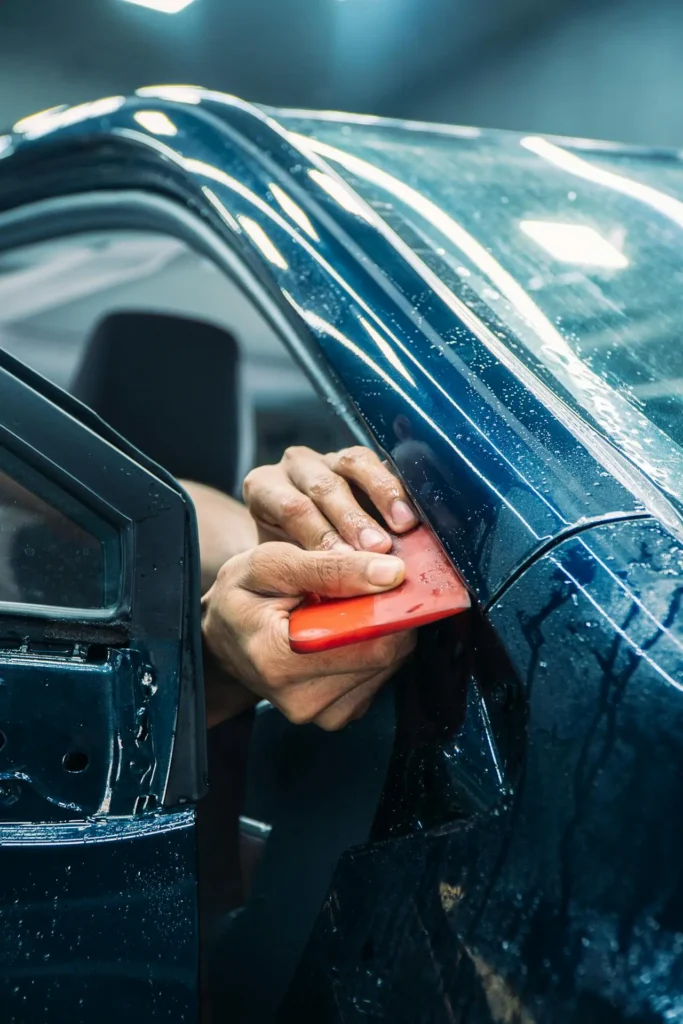
Paint protection film (PPF) is one of the best ways to shield your vehicle’s paint from chips, scratches, UV damage, and other everyday wear.

With the right care, properly installed PPF can be expected to last many years — but like all components of your vehicle, it will eventually need to be serviced. Over time, exposure and wear will degrade the film, reducing both its appearance and its protective capabilities.

If your current PPF is reaching the end of its lifecycle, your car’s finish may be vulnerable to damage. Get to know the common signs that your PPF is due for replacement and avoid gaps in your paint protection. 

a detailer removes old ppf that is peelingThe Lifespan of PPF

The longevity of your PPF is impacted by many factors, including the quality of the film, the skill of the installer, and your maintenance and driving habits. 

Vehicles that spend more time outdoors, encounter harsh weather, or see frequent highway driving may experience faster wear than garage queens, but in general, premium films like XPEL can be expected to last between 7 and 10 years. 

Signs Your PPF is Starting to Fail

As the polymers age, clarity, elasticity, and self-healing properties may decline even if the film itself is still technically intact. Pay attention to the warning signs of deterioration to schedule a timely replacement. 

1. Yellowing and Discoloration

Though most premium films contain UV inhibitors, years of sun exposure can still cause gradual changes in color. Over time, you may notice a yellowish tone, especially on white or light-colored vehicles. 

Yellowed PPF is more than an aesthetic issue — it indicates that the protective outer layer is breaking down, leaving the film more vulnerable to staining and surface damage. If your once-clear film now appears tinted or uneven in color, it will likely need to be replaced to restore your vehicle’s clean, uniform look.

2. Cracking and Peeling

PPF is designed to flex and conform to your vehicle’s panels, but film loses its elasticity with age. When this happens, you may start to notice cracks, brittle sections, or lifting along edges and seams. These issues often begin in high-impact areas such as the front bumper, hood, or side mirrors.

Once edges begin to lift, dirt and moisture can work their way underneath the film. This both compromises the adhesive bond and increases the risk that trapped contaminants will scratch the underlying paint.

If you see peeling corners or areas where the film is separating from the surface, it’s a clear indication that replacement is overdue.

3. Cloudiness

High-quality PPF should enhance your vehicle’s finish with a smooth, glossy look. If your car has taken on a hazy or textured appearance, oxidation may have begun to break down the film’s outer layer. 

When PPF loses its optical clarity, it no longer blends seamlessly with your paint. Deteriorating film makes even well-cared-for vehicles look old and poorly maintained. 

4. Reduced Self-HealingA detailing technician replaces old PPF and applies new paint protection film

Functional PPF has self-healing properties that allow light swirl marks and scratches to disappear when the film is exposed to heat from the sun or warm water. 

If you notice that surface damage is no longer disappearing the way it once did, the film’s elastomeric top layer may be breaking down, leaving your clearcoat vulnerable to damage. 

5. Damage from Impacts

PPF is designed to absorb the impact of small debris, but repeated hits will eventually take their toll. Chips, deep gouges, and punctures are proof that the film has done its job, but its structural integrity is now compromised.

Damaged sections of film can’t provide consistent protection. Fortunately, in these situations, it may be possible to replace only the affected panels. 

Why You Shouldn’t Wait to Replace PPF

If your PPF is approaching the end of its life, don’t wait for a total failure to schedule a replacement.

As film ages, its adhesive bond can harden and become difficult to remove cleanly. In severe cases, neglected PPF can crack during removal or leave behind stubborn adhesive residue that requires extensive detailing to remove.

Replacing your film in a timely manner helps preserve the condition of the underlying paint and allows installers to remove and replace it without extra labor and expense. 

The Risks of DIY PPF Removal

If your PPF has started lifting, it can be extremely tempting to try to remove it at home. Before you start peeling, however, be aware of the risks. 

Film that has been on your vehicle for many years has had time to bond tightly to its paint. Without the proper tools and a carefully-controlled heat source, it can tear into small fragments instead of lifting cleanly. This can leave behind patches of adhesive that require strong chemicals to dissolve. 

Pulling the film at the wrong angle or speed can also cause it to snap, leaving portions still attached. Removing these fragments becomes a time-consuming process that greatly increases the likelihood of accidental paint damage.

Surface unevenness and left-behind adhesive will prevent new PPF from bonding properly, and the necessary professional correction can easily turn a money-saving DIY attempt into a compounded expense. 

Planning Your Replacement

Routine maintenance care is an effective way to both extend the life of your PPF and stay proactive about replacements. An experienced installer can evaluate the condition of the film, identify areas of concern, and advise on whether full or partial replacement is necessary to keep your paint protected. 

Whether you opt for full-coverage PPF or a clear bra for high-impact areas, replacing aging PPF before it fails helps maintain both the appearance and long-term value of your vehicle.

If your PPF is beginning to show its age, reach out to the detailing experts at ATD to refresh your protection and restore your vehicle’s flawless finish.


With its sharp angles and raw stainless-steel exterior, Tesla Cybertrucks make a bold statement on the road. However, many Cybertruck owners have noticed the iconic finish comes with unique upkeep challenges. Even the most meticulous homecare struggles to offset how easily the surface shows fingerprints, smudges, and other marks.

If you enjoy the Cybertruck’s futuristic look but worry about its maintenance requirements and vulnerability to damage, ATD’s paint protection options make it easier to keep your Tesla looking new.

tesla cybertruck has smudges and bug splatter from driving on a remote mountain roadPPF for Cybertrucks

Anyone who has ever struggled to keep a stainless steel refrigerator looking polished can relate. The lack of a clear coat gives Cybertrucks their distinctive finish but also renders minor scratches, smears, smudges, swirls, and door dings highly visible. 

Should you ever decide to sell your Cybertruck, small surface flaws can lower your resale value. PPF (paint protection film) protects your Tesla with a durable, self-healing second skin that:

If you want to protect your Cybertruck while preserving that “unfinished” look, XPEL’s premium matte, satin and color PPF options offer coverage that compliments your vehicle’s industrial aesthetic. Reach out to our detailing experts to explore colors and finishes that will keep your Tesla looking sharp and modern. 

Prevent Corrosion with Ceramic Coating

Although stainless steel is designed to resist rust and corrosion, Cybertruck owners have to be diligent about removing environmental contaminants and abrasives before they damage the vehicle’s surface.

Road salt, acid rain, and metal particles from construction dust can tarnish Cybertrucks over time. What’s more, the unfinished metal surface can be especially unforgiving of bad washing techniques. 

tesla cybertruck with purple underlights parked under a bridge in downtown Las VegasCybertruck owners who want a layer of protection from the elements are turning to ceramic coating to reduce the demands of maintenance. When professionally applied, this liquid polymer creates a hydrophobic, nonstick barrier that makes stainless steel: 

If you’re familiar with ceramic coating’s high-gloss reputation, you may be concerned that it will fundamentally alter the look of your Cybertruck. Fortunately, premium coatings are designed to enhance your existing finish rather than alter it. When properly prepped and applied, ceramic coating will only deepen and enhance the appearance of stainless steel, not turn it into polished chrome. 

Trust Your Cybertruck to ATD

When it comes to paint protection for specialty vehicles, the expertise of your installer matters a great deal. We rely on XPEL’s premium products and world-class PPF pattern repository to ensure a perfect fit and lasting coverage that enhances your ROI. 

Stand Out With Invisible Paint Protection

Your Cybertruck wasn’t made to blend in. Get paint protection that preserves its unique look while simplifying maintenance and preventing unsightly smudges, scratches, dings, and corrosion. 

The detailing experts at ATD are here to help you explore your paint protection options and keep your Cybertruck looking sharp for many years to come. 

When it comes to customizing your vehicle’s look, there is a world of possibilities beyond factory paint. 

For years, vinyl wraps were the go-to for anyone looking to change their car’s color or finish without committing to permanent paintwork. More recently, however, colored PPF has emerged as a great option for drivers who want vibrant color with the added benefits of paint protection. 

car with purple vinyl wrap or colored ppf

Here’s what auto enthusiasts should know about the pros and cons of vinyl wraps and colored PPF, and how to choose the right customization option for your car or truck. 

What are PPF + Vinyl Wraps Made Of?

Vinyl wraps are made from polyvinyl chloride (PVC), a thin, flexible plastic film that’s primarily engineered for visual customization. While they may offer some level of incidental protection from minor scuffs and UV rays,  vinyl wasn’t built with paint protection as a priority.

Colored PPF, on the other hand, is made from a more advanced, flexible polymer. This material is specifically engineered to absorb impacts from road debris, prevent scratches, and protect your original paint job. Traditionally designed to be invisible, colored options allow drivers to achieve a customized look while guarding their paint against damage. 

These qualities have made colored PPF a popular option for elevating the look of Tesla Cybertrucks, because the protective barrier compensates for the vehicle’s lack of clear coat. 

Durability

The longevity of vinyl wraps depends a great deal on how often you drive your vehicle, whether it’s garaged outdoors, and the local climate. It’s not uncommon to experience fading, peeling, cracking, and an “orange peel” texture within 2-3 years of installation.

If lasting protection is your priority, colored PPF is designed to absorb damage and reform to a perfectly smooth surface when exposed to heat. When installed by a professional and cared for in accordance with manufacturer recommendations, colored PPF lasts 7-10 years or more. 

Customization Options for Vinyl + Colored PPFdetailer installs vinyl wrap

The gap is narrowing, but vinyl still leads the way when it comes to visual variety. A broad spectrum of colors, finishes, and custom-printed design options make vinyl wraps a good fit for drivers who want to stand out without a long-term commitment to a specific style.  

Colored PPF lacks vinyl’s rainbow of options, focusing instead on a selection of popular colors and finishes with superior clarity and depth. Drivers who prioritize a high-end look that mimics factory finish paint may find what they’re looking for in PPF. 

Installation Costs

Vinyl wraps are generally quicker to install and more affordable upfront. However, because they tend to wear out faster, they will need to be replaced sooner, especially if your car is a daily driver.

Because colored PPF requires more precise installation and is made of premium material,  drivers can expect a higher upfront cost. However, thanks to its extended lifespan and protective qualities, it can actually save you money over time by preserving your original paint and reducing the need for repainting or repairs.

Vinyl or Colored PPF: Which Is Right for You?

Both colored PPF and vinyl wraps offer exciting ways to personalize your vehicle — but they serve different purposes. Vinyl wraps focus on customization and aesthetics, while colored PPF brings serious durability and paint protection to the table.

If you love dramatic designs, want to refresh your car’s look frequently, and don’t mind a shorter lifespan, vinyl wraps are a solid choice. However, if you want a sleek finish that adds visual interest while protecting your paint, colored PPF is likely the better long-term solution.

Still feeling torn? The detailing experts at ATD are here to help you choose the best option for your car, driving habits, and style goals.


The smallest particles of road debris can present the biggest threat to your car’s paint. Loose gravel, construction grit, and road salt are a virtually unavoidable part of highway driving, and that damage can add up over time. Unfortunately, paint imperfections aren’t just an eyesore — they have a direct impact on your vehicle’s resale value.

A clear bra, or paint protection film (PPF), is an excellent way to protect your car’s most vulnerable areas from paint chips, scratches, and abrasions. Here’s what drivers need to know about the benefits of a properly-installed clear bra.

professional detailer installing clear braWhat Are Clear Bras?

A clear bra is a type of PPF that is applied to the high-impact areas of your car. It will typically cover your:

The installation pattern may resemble a brassiere, but this very thin sheet of transparent, durable polymer will form a nearly invisible barrier between your paint and the road.

Unlike full-body PPF applications, clear bras are a more targeted approach. It’s designed to protect the parts of your vehicle that are most likely to take the hit from road debris, making it a popular option for both daily drivers and high-performance vehicles alike.

How Chips Happen (and Why Luxury Cars Are at Risk)

Anyone who plans to leave their garage is at risk for paint damage. Between road salt in the winter and bug splatter in the summer, it’s impossible to hide from highway hazards. Drivers in the Raleigh Metro area face ongoing construction, which means even higher concentrations of road tar, grit, and gravel.

While any car can fall victim to paint chips, luxury and performance vehicles often sit lower to the ground and feature more delicate factory paint finishes. That makes them especially vulnerable — and more expensive to repair when damage occurs.

How Clear Bras Help Prevent Chipsluxury care with clear bra ppf

So how does a clear bra actually stop chips?

Clear bras are engineered to absorb impact. When debris hits your car’s surface, that energy disperses across the film instead of penetrating through to the paint. Premium films also offer self-healing properties, meaning minor scratches and swirl marks disappear with heat from the sun or warm water.

Why Professional Installation Matters

There are plenty of DIY PPF kits on the market, but be wary of products that claim that installation is as simple as “peel and stick.” 

There’s nothing worse than a clear bra that isn’t — a bad application will result in visible seams, misaligned panels, bubbles, and creases that will draw the wrong kind of attention. Improperly installed film can even trap dirt and moisture, causing paint damage to fester even when you aren’t on the road. 

ATD avoids these risks by pairing premium film with XPEL’s proprietary routing software. XPEL holds the world’s largest pattern repository, ensuring that even rare, exotic, and vintage cars get a perfect fit. 

If you want to protect your investment, leave the installation to the pros. 

Is a Clear Bra Right for My Car?

If you plan to use and enjoy your vehicle, clear bras can be a very smart investment. It offers high-impact protection without the cost of full-body coverage, making it ideal for drivers who want targeted defense against chips and scratches.

Not sure whether to protect just the front or go all-in? The detailing experts at ATD have paint protection solutions that will suit your needs and budget. Check out our related blog post: Should I Put PPF on My Whole Car? for a deeper dive into different levels of protection to see what’s right for you. 

Properly installed PPF offers drivers up to a decade of paint protection. Badly installed PPF creates instant regret. 

If you’ve ever considered installing paint protection film (PPF) yourself, you know how challenging it can be to achieve a flawless result. Though the DIY route does come with an upfront cost savings, misaligned edges, stubborn bubbles, and trapped debris can undermine your paint protection and leave your car looking terrible.

When a DIY PPF application fails, it can be hard to decide when to attempt to uninstall the film yourself and when to call in the pros. Here is what automotive enthusiasts need to know about recovering from a PPF mishap without causing expensive damage to their paint. 

Classic car with professional paint protectionCommon Problems with DIY PPF

Even very savvy, detail-oriented people can run into trouble when dealing with paint protection film. We’ve previously explored how DIY paint protection can go wrong in detail, but here are a few of the most common issues:

While these issues can be frustrating, attempting to remove the film without proper care can make matters worse.

Risks of Removing PPF Incorrectly

Unfortunately, removing failed PPF isn’t as simple as lifting a corner and peeling it off. 

If the adhesive isn’t softened properly prior to removal, chunks of your paint may come with it. It’s also common for DIYers to accidentally scratch or gouge their car’s surface with tools or damage paint with adhesive removers and other harsh chemicals. 

Just like the initial application, removal is a delicate process that has to be approached systematically. 

How to Remove Your Paint Protection

After the frustration of having a DIY film kit fail, many drivers choose to involve a professional detailing shop. If you want to try to remove your film in your home garage, here are steps to increase your likelihood of success: 

1. Gather Your Tools

Before starting, make sure you have the following:

2. Soften the AdhesiveDIY PPF kit on a luxury vehicle

Use a heat gun or hairdryer to warm the PPF. Hold the heat source 6-12 inches away and move it evenly across the surface. The goal is to soften the adhesive without causing heat damage to the paint underneath. 

3. Peel Back the Film

Start at one corner and gently lift the film using your fingers or a plastic scraper. Pull the film at a low angle (around 45 degrees) to reduce tension on the paint. Work slowly to avoid tearing the film.

4. Remove Residual Adhesive

Once the film is off, you may notice adhesive residue left behind. Apply a small amount of adhesive remover to a microfiber towel and gently rub the area. Always test the remover on a small, inconspicuous area first to ensure it won’t damage the paint.

5. Inspect the Results

Wash your car to remove any remaining adhesive or cleaning products and check for damage. If you notice scratches, swirls, or discoloration, professional paint correction may be necessary.

When to Call in the Pros

If your PPF removal isn’t going according to plan, it may be time to get help from a professional installer. Send for reinforcements if you notice that the film isn’t lifting in solid pieces, stubborn adhesive is getting left behind, or the removal process is causing paint damage. 

Certified installers have the training and equipment necessary to achieve superior results on the first try and remove failed PPF without causing further damage. When in doubt, professional detailing is the safest investment in the value of your vehicle. Reach out or visit our Garner, NC facility for expert assistance with PPF removal. 

If you’ve been exploring your options for paint protection film (PPF), you’ve probably at least considered self-installation. DIY PPF kits promise to save car enthusiasts money with pre-cut panels of film that can be applied in your home garage with no experience necessary. 

If this sounds a bit too good to be true — it usually is. While the upfront cost of DIY paint protection is less than professional installation, many drivers (even those with lots of at-home detailing experience) report regretting their attempt to install their own PPF. 

Without access to the right tools and materials, this attempt to save money can easily end up costing more than professionally applied PPF. Here are some of the most common issues drivers encounter when they attempt to install their own paint protection film. 

Poor Software = Improperly Sized PPF Panels

One of the most crucial yet underrated factors in a flawless PPF installation is the fit of each panel of film. If each piece isn’t matched to the exact dimensions of your vehicle, it will need to be stretched or trimmed.

Considering DIY PPF for black carWith DIY PPF, drivers have no choice but to hope that the plotting software used to route their film is up to date and that the manufacturer hasn’t approximated any dimensions. Otherwise, unsightly patches of texture and seams are inevitable, no matter how skillfully you install the film.

Precisely-sized panels are so critical to a great end result, ATD only uses XPEL’s proprietary DAP software to plot PPF. This software is designed to work with XPEL’s brand of film and their vast pattern repository guarantees that even rare cars will get a perfect fit. 

Incorrectly sized panels, even if the variation is slight, not only look bad — they also don’t protect your paint effectively. If your DIY PPF doesn’t properly cover and adhere to your car’s surface, you’ve wasted a great deal of time and money. 

Paint Protection Installation Challenges

Most automotive enthusiasts don’t have access to the tools, training, and extra hands available in professional detailing shops — and if they do, they’ve already spent considerably more money than a professional PPF installation would cost. 

DIY PPF is no small task. These application mistakes are easy to make, and they can cause your film to fail. 

Visible Seams Shorten Lifespan by Years

Even though high-quality film is very thin and nearly invisible, the slight difference in the way it refracts light will create visible lines if it doesn’t fully cover the panel.

Careless-looking results aside, mid-panel seams are vulnerable to the elements. Professionally installed PPF can be expected to last 7-10 years with proper care, but when edges are left exposed, this lifespan is much shorter. PPF that starts to roll or peel has to be removed, effectively turning a money-saving project into a liability. 

Air Bubbles Increase Likelihood of Adhesion FailureProfessional not DIY PPF on classic car

Without the right tools, pockets of air can become trapped beneath the surface of the film. 

Bubbles are unsightly and can lead to adhesion failure as they shift around the space between your paint and PPF. Unfortunately, there is no “do-over” for panels of film that don’t get applied correctly on the first attempt. Panels with air bubbles will need to be replaced. 

Imperfect Seals Cause Yellowing

If PPF isn’t properly sealed to your car’s surface, its crystal clear finish won’t last long. 

Incorrectly installed PPF allows in dust and moisture. Over time, this damage contributes to an unsightly yellow, cloudy appearance that can only be remedied by removing the film altogether. 

Voided Warranties

Premium PPF vendors like XPEL recognize that paint protection is an investment. The conditions of their warranty require your PPF installer be appropriately trained and certified, and that all aftercare products are approved for use with their film. 

A major pitfall of DIY PPF installation is that the absence of professional oversight can leave you outside of any warranty coverage. Even if your film fails through no fault of your own, you’ll likely be responsible for replacing it or repairing any damage to the underlying paint. 

Professional PPF Installation Protects Your Investment

Reputable PPF installation is the best way to achieve flawless results and ensure that you have recourse if something goes wrong. 

Professional detailing services cost money because they save money. Invest in seamless, invisible coverage that looks great while providing excellent protection against the chips, scratches, and dings that erode your car’s resale value. The long-range benefits are well worth it.  


Wake and Johnston county residents are all too familiar with ongoing highway construction. The 540 outer loop, which will go around the greater Raleigh area to connect the cities of Apex and Knightdale has had huge impacts on commuters — and their vehicles.

For automotive enthusiasts, road work doesn’t just mean a trip to the automatic car wash. Construction sites are huge contributors to paint damage that can only be avoided through preventative maintenance. If your daily drive takes you through planned 540 construction, make sure your paint job is ready.

caution marker to protect paint in construction zonesHow the Construction in Wake & Johnston Counties Harms Your Paint Job

Traffic pattern changes and slowdowns are annoying, but the byproducts of highway construction can wreak havoc on the body of your vehicle. If your daily drive passes through ongoing roadwork, don’t leave yourself vulnerable to these common hazards:

Debris and Loose Objects

Heavy construction materials are going to leave a mark if they come into contact with your car’s paint. 

Even the most well-managed construction sites will create potentially damaging highway debris, especially in the form of loose gravel used for grating. Cars traveling at high speeds can fling small rocks, leading to chips and dings for others on the road.  

Construction Dust

Large-scale projects can sometimes stir up enough dust to cover the surrounding community, so no wonder that a commute through a construction zone leaves your car filthy.

Unfortunately, the remedy isn’t as simple as a quick wash. This gritty layer of dirt is full of abrasive particles that will leave scratches and swirl marks if scrubbed into your paint job. Improper washing techniques and unprotected paint can turn an inconvenient mess into damage that requires paint correction. 

Tar and Asphalt

Paving is an unavoidable part of highway construction, but a serious concern for drivers worried about the resale value of their vehicles.

Road tar is terrible for paint, particularly after it’s been allowed to dry. Home remedies suggest removal with everything from specialty products to peanut butter, but one thing is clear: a botched removal can do serious harm to your car’s exterior.

Guard Your Paint with PPF and Ceramic Coatingroad work sign warning drivers that they need PPF

When faced with planned highway construction, prevention is your best defense. 

Paint protection film, or PPF is an ultrathin, invisible polymer sheet that is cut to precisely fit the most vulnerable panels of your vehicle or your whole car. The film is designed to absorb scratches and impacts from debris to reform to a perfectly smooth surface when you park in the sun or wash your vehicle with warm water. 

Ceramic coating is crystal-clear nanoglass that can be applied directly to your car’s paint or layered over PPF. The ceramic creates a hydrophobic surface that mimics that of a nonstick pan, helping tar and other nuisances like tree sap and bird droppings wipe away easily.  

Whether they are used separately or together, investing in paint protection helps drivers breathe easy knowing that small, unavoidable highway incidents won’t cause permanent damage. 

Paint Protection for Construction Zones in Garner, Apex, and Beyond

Want to navigate construction zones (and everywhere else life takes you) with confidence? ATD’s paint protection options can be customized to suit your daily driving needs. Reach out to our team of automotive detailing specialists and keep your vehicle looking great no matter what the DOT throws at you. 

The Tesla brand is so strongly associated with innovation and modernity, it’s no wonder that drivers want to keep them looking sleek and new. Pristine paint not only enhances the experience of ownership but also factors heavily into the resale value of your Tesla when you’re ready to upgrade.

Whether you are planning to pre-order your new Tesla or want to keep an existing vehicle looking its best, ATD has a range of paint protection options to suit your needs and budget. 

White tesla on highway needs ppf and ceramic coatingPaint Protection Film (PPF)

Paint protection film, or PPF, is a fantastic first line of defense against your paint job’s most common enemies, like:

The very thin polymer is carefully cut to fit each panel of your vehicle, and when applied properly, forms an invisible layer of protection against highway grit. What’s more: the film is self-healing. This means that it absorbs inevitable scuffs and door dings, reforming a perfectly smooth surface the next time you wash your car with warm water. 

Beware DIY PPF

For thrifty drivers, DIY paint protection kits can be tempting. While they do come with upfront savings, there are also significant risks. 

Reputable PPF installers use proprietary plotting software to ensure that each panel of film fits your vehicle’s make and model precisely. This attention to detail is what prevents unsightly bubbles, wrinkles, and visible edges. Additionally, quality PPF manufacturers like XPEL require that their products be installed by certified professionals in order to keep the PPF covered by the manufacturer’s warranty. 

Unfortunately, many of the drivers who take a chance on bargain PPF kits lose their investment and have to seek help from a professional detailer to undo the damage. 

Ceramic Coating for Teslasnew black tesla with paint protection parked on street

If you want your Tesla to retain its showroom shine, ceramic coating is right for you. This ultrathin layer of nanoglass reflects light beautifully while forming a hydrophobic barrier that makes washing your vehicle a breeze. 

Ceramic also offers excellent protection against UV damage and acid rain, offering peace of mind to those who want to use their Tesla as their daily driver. 

How PPF and Ceramic Work Together

Automotive enthusiasts who want to maximize their paint protection should consider ATD’s trifecta of services: PPF, ceramic coating, and window tinting. 

If your budget allows, installing ceramic on top of your paint protection film gives you the benefits of both services. Starting with PPF ensures that the ceramic coating lays flawlessly over your car’s surface, while greatly reducing the effort needed to remove dirt and grime. Less scrubbing during washes means less risk of scratches, scuffs, and swirl marks. 

Schedule Professional Detailing for Your Tesla

Preventative maintenance is key for drivers who want to keep their Tesla in peak condition. Investing in periodic routine maintenance with a professional detailer makes caring for your vehicle at home easier and more enjoyable. 

Detailing pros have the tools and techniques to give your Tesla a more thorough cleaning while protecting the integrity of your PPF, ceramic coating, or window tint film. Reach out to learn more about ATD’s custom detailing packages and choose a maintenance schedule that suits your unique needs.   


Paint protection film (PPF) is a long-lasting investment in your vehicle. The thin, flexible polymer film hugs the surface of your paint job to form a self-healing barrier that absorbs scuffs and scratches. When expertly applied, PPF keeps your paint looking flawless and new, and allows auto enthusiasts to enjoy their time on the road without the fear of common hazards like highway gravel and door dings.

Because PPF is applied in sheets that are precisely cut to fit the surface of your vehicle, drivers have the option of protecting their entire car or only the most vulnerable areas. Partial PPF comes at an initial cost savings, but, depending on your concerns and plans for your vehicle, it may not offer enough protection.

Advantages of Full PPFWiping down and detailing the car before adding ppf

Applying PPF to the entire surface of your car gives you full protection and ultimate peace of mind. Since it’s impossible to guess how every scratch or scrape could happen, bumper-to-bumper film allows you to expect the unexpected.

Whether you own a classic or exotic vehicle, or you just want to maximize resale value, complete protection is your best line of defense against unsightly damage.

Which Areas of Your Car Should You Prioritize?

If you’re on a budget, however, full PPF may not be feasible. Drivers who want to protect their paint at savings may opt to apply PPF to the areas of their car most likely to be impacted by the hazards of daily driving.

Minimal coverage typically involves applying paint protection film to the:

Ideally, this partial coverage should mitigate damage from road grit, loose gravel, runaway shopping carts, and similar mishaps.

Drawbacks of Partial PPF

If you’re weighing the pros and cons of partial coverage, there are a few potential downsides to consider.

Incomplete Protection

The most obvious shortcoming of partial PPF is that it leaves some areas of your vehicle vulnerable. Less obvious threats (especially those that come from above like falling branches, tree sap, acid rain, or hail) can harm paint in uncovered areas, causing uneven wear.

buffing the car before applying ppfCosmetics

While expertly applied PPF will be virtually seamless, discerning automotive enthusiasts may still be able to detect where panels of partial PPF begin and end.

Cars with unique finishes like matte or metallic may look particularly conspicuous with an incomplete covering.

More Complicated Care

Using good washing techniques and choosing the right products will go a long way towards extending the life of your PPF. Drivers with partial paint protection film have to be particularly careful of the edges of the sheets so they don’t bubble or peel.

Wax and other car care products can collect around the edges of PPF, drawing attention to seams or causing the film to fail.

Discuss Your Goals with the Paint Protection Experts

Weighing potential savings against the convenience of full PPF? The experts at ATD are available to help you determine what is best for your vehicle and driving situation. Reach out or visit us to discuss your options for paint protection.