919-760-6420

Ceramic coating eliminates the need for waxing by providing 5-8 years of paint protection and hydrophobic performance. In fact, applying wax to a professional ceramic coating can actually reduce its effectiveness. 

Prior to the emergence of automotive ceramic in the early 2010s, wax was the gold standard for protection and shine. Because it was such an integral part of maintenance routines for decades, many drivers who invest in ceramic coating assume that a layer of wax will enhance its performance. 

Here is what automotive enthusiasts need to know about the key differences between wax and ceramic, and why professionally applied coatings work best on their own. 
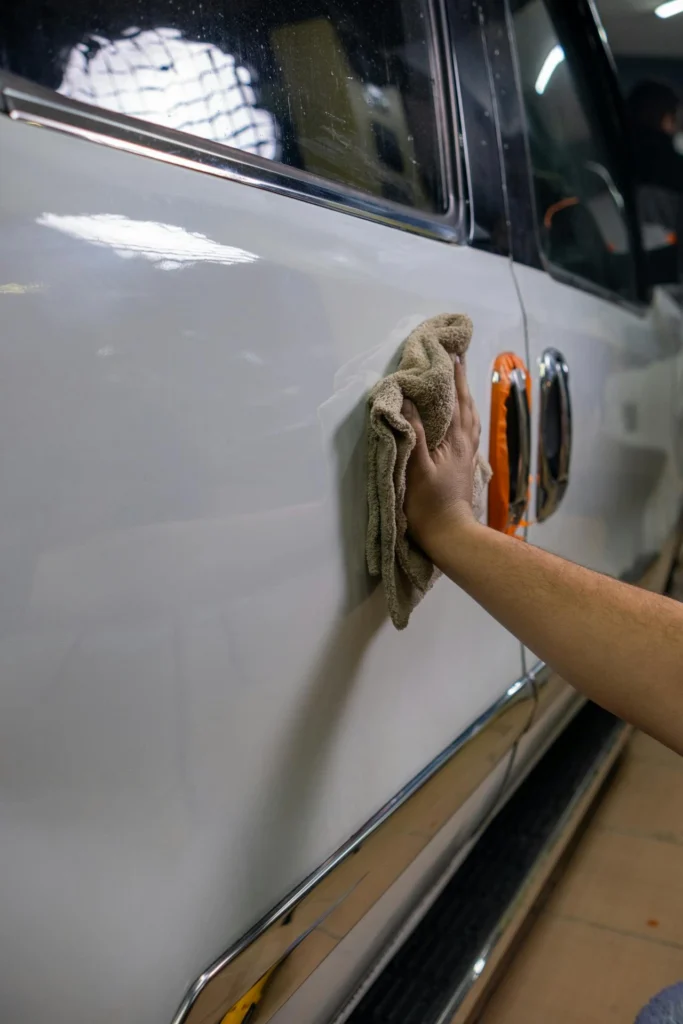
ceramic coating eliminates the need for waxingWhat Does Automotive Wax Do?

Whether it’s carnauba or synthetic, traditional auto wax serves a simple purpose: it adds a temporary protective layer to your vehicle’s clear coat. 

When thoroughly applied, wax enhances paint’s gloss and depth while repelling moisture and contaminants. However, this protection is not without limitations:

Wax is effective, but it’s a short-term solution to a persistent problem. Without a consistent investment of time and effort, paint becomes vulnerable to etching and environmental hazards. 

How Ceramic Coating Replaces Wax

Ceramic coating approaches paint protection differently. Instead of sitting on the surface like wax, it chemically bonds with your vehicle’s clear coat, forming a durable, semi-permanent layer of nanoglass.

The coating’s chemical properties create several advantages for drivers.

Long-Term Paint Protection

Professionally installed ceramic lasts up to eight years with proper care. Compared to waxes that need to be reapplied frequently, ceramic coating removes paint protection concerns from your recurring to-do list

Improved Hydrophobic Performance

Ceramic coatings are engineered to repel water and grime. When bug splatter and bird droppings don’t cling and rinse water beads up quickly, washing and drying become much less time-consuming. 

UV and Chemical Resistance

Oxidation, road salt, environmental chemicals, and harsh sunlight can take a toll on paint. Ceramic coating adds a layer of resistance that protects your car’s clear coat from unavoidable elements. 

Why You Shouldn’t Wax Over Ceramic Coating a driver without ceramic coating still has to wax his car
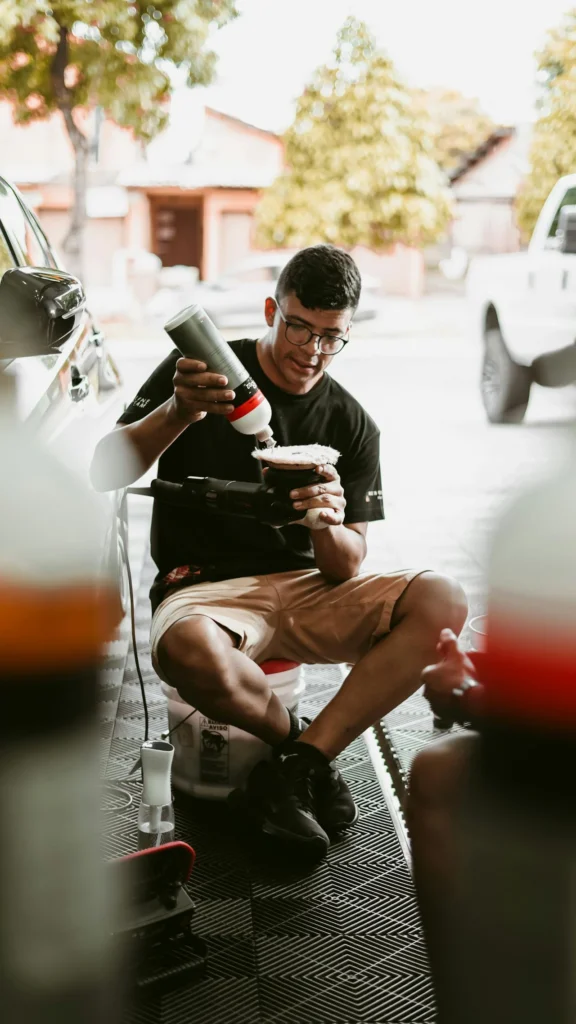
If you’ve installed a ceramic coating, put down the paste or spray bottle. Wax won’t enhance the performance of your ceramic, and, in some cases, it can actually interfere with its effectiveness. 

It Can Reduce Water Resistance

Ceramic coatings are designed with specific surface properties that promote water beading and self-cleaning. Adding wax on top can:

It Can Mask the Coating’s Surface

Wax creates an additional layer that sits between the coating and the environment, changing how the surface interacts with water and contaminants. Rather than enhancing the coating, wax can create a performance barrier that helps grime cling. 

It Reintroduces Unnecessary Maintenance

One of the primary benefits of ceramic coating is that it reduces the ongoing upkeep. Adding waxing back into your maintenance routine makes this savings of time and effort moot. 

It May Void Manufacturer Warranties

Many professional-grade ceramic coatings come with warranty guidelines that specify approved maintenance products and care routines. Going outside of the manufacturer’s recommendations can compromise the coating and may even void your warranty. 

Maintaining Ceramic Without Wax

Maintaining a ceramic-coated vehicle is much less labor-intensive than maintaining a waxed one, but proper care is still important for getting the most out of your coating. Swap out wax for good aftercare practices: 

Wax vs. Ceramic: The Long-Term Cost

While ceramic coating is a larger upfront investment than a bottle of spray-on wax, the time and money spent on temporary protection add up quickly. 

A driver who reapplies wax bimonthly can expect to spend up to $1,200 and 90 hours (or nearly four days of their lives) waxing their car within a five-year period. 

Despite the time and care routine waxing requires, it doesn’t contribute to your car’s resale value in the way that ceramic does. Not only do professional coatings signal that a vehicle has been well-maintained, but they also offer potential buyers the benefit of continuous protection with less upkeep. 

Take Back Your Time 

Eliminate one of the most time-consuming maintenance steps, and let your ceramic coating shine. 

With the proper care, professional ceramic offers years of paint protection, easier cleanup, and consistent gloss. Reach out to the detailing experts at ATD to learn more about how ceramic coating can help you enjoy more and worry less. 
 

Ceramic coating is known for protecting a vehicle’s paint, enhancing shine, and simplifying maintenance. With the rise of online tutorials and affordable DIY kits, it’s no surprise that many car owners decide to try applying a coating themselves. 

DIY ceramic may seem like a great way to save money on paint protection, but despite promises of “fast and easy” at-home applications, ceramic coating is actually one of the most unforgiving products you can put on your vehicle. 

When applied correctly, it’s beautiful and glossy. When it goes wrong, mistakes are frustrating, expensive, and time-consuming to fix. If you’re exploring the possibility of installing ceramic coating yourself, here are a few things to consider before you commit. 

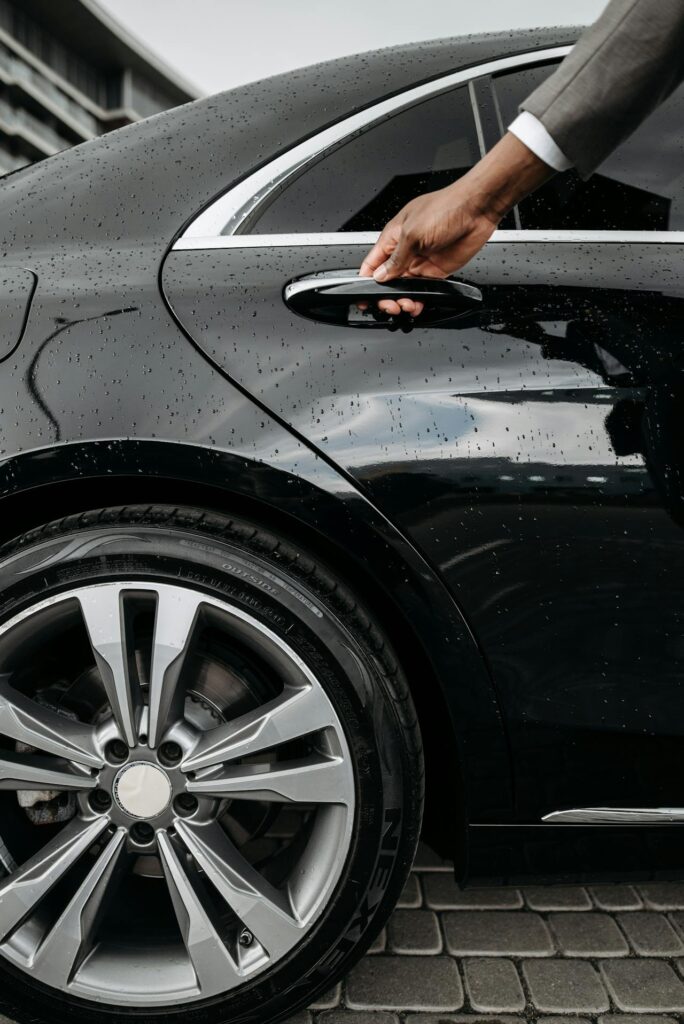
close up of man opening the door of a ceramic coated carWhy DIY Ceramic Coating Is Risky

Unlike waxes or sealants that sit on top of your vehicle’s clear coat, ceramic coatings chemically bond to your paint. This creates a semi-permanent layer that hardens as it cures. While this property is great for durability, it also means the product is incredibly sensitive to how it’s applied.

DIY kits usually present the process as simple: wipe it on, buff it off, and enjoy years of protection. In reality, ceramic coating requires:

When any of these steps is rushed or skipped, the coating will not cure evenly, and flaws often aren’t visible until the coating has already hardened. 

What Are High Spots and How Do They Affect Results?

The most common complaint from DIY ceramic applications is something detailers call high spots. These are areas where the coating is excessively thick, or where the product wasn’t fully leveled before it began to cure.

How Do High Spots Happen?

High spots usually come from one of the following mistakes:

Any of these missteps can result in rough or textured patches, as well as a coating that appears dull, hazy, or oily in the light. 

Once curing happens, these imperfections can’t be buffed away and won’t fade with time — they become part of the coating.

High Spots Aren’t Just Cosmetic

Though high spots will certainly make your vehicle less attractive, the problems don’t end there. They can:

Because ceramic bonds chemically to your clear coat, these issues will persist until you have the coating removed. 

Other Common Issues with At-Home

a woman's hand on a car with DIY ceramic

 Ceramic Coating

High spots may be the most obvious risk of DIY ceramic, but they aren’t the only thing that can go wrong when working with such a temperamental product. Attempting to install ceramic in a home garage environment often leads to:

How to Fix a Ceramic Coating Gone Wrong

DIY kits promise to save you money, but if the application goes badly, it will cost more to correct the problem than a professional ceramic application would have cost in the first place. 

Ceramic coatings cannot simply be stripped or dissolved. Because they bond to the clear coat, removing a bad coating almost always requires machine polishing or multi-stage paint correction.

A detailer will have to carefully remove the uneven ceramic layer, level the clear coat underneath, and decontaminate all surfaces before the coating can be properly re-applied. 

In these situations, the detailer essentially has to do the job twice (once to fix the mistake and again to apply a new coating). What started as a money-saving DIY project can easily become an expensive headache.

How Professional Ceramic Saves You Money

While you can expect a professional ceramic application to cost more upfront, it also pays you back over time.

A qualified detailing shop not only has the best tools for the job, but also a level of control over the installation environment that is difficult to accomplish in a home garage. Professionals work in spaces with optimal lighting, temperature, and humidity. This ensures the coating flashes at the right rate, high spots are caught before they cure, and environmental contaminants don’t get trapped in your coating. 

Professional results look better and last longer, protecting your investment and adding to your vehicle’s resale value. What’s more, expert-installed ceramic coatings typically come with maintenance plans and warranties, guaranteeing you many years of shine and protection. 

Trust the Pros for a Flawless Finish

Ceramic coating is one of the best ways to protect your vehicle, but only when it’s applied correctly. DIY kits may seem appealing, but the risks can turn a simple weekend project into a costly repair.

If you want diamond-hard protection, lasting gloss, and the peace of mind that comes with expert application, ATD has you covered. 

When you’ve invested time, money, and care into restoring a classic car, you want the finish to look every bit as stunning as the mechanical work beneath the hood. Even after a professional repaint, many restored vehicles need one final refinement before they truly shine.

If you want to turn back the clock on your restoration project, paint correction (especially when paired with ceramic coating) creates a brilliant, flawless exterior that may even outshine your car’s original finish. 

pink classic car with the hood lifted, showing off mechanical restoration and paint correctionWhere Does Paint Correction Belong in the Restoration Process?

After mechanical repairs and bodywork comes fresh paint. Whether you opt for a bold new look or want to replicate your car’s original finish, it’s rare to achieve perfection right away. 

Restored cars often undergo rust repair, panel replacement, or filler work before repainting. Slight imperfections left behind by bodywork, combined with the fact that the surface of a classic car is older and more worn, make for a rougher canvas than factory-new metal. 

Performed after repainting, paint correction uses specialized polishing techniques to refine the surface, remove flaws, and bring out the full depth and clarity of your paint color. Think of it as the final touch that transforms a quality paint job into a head-turning finish. 

Perfecting Your Classic Car’s Paint

Unlike automotive glazes and waxes that temporarily fill in scratches and swirl marks, paint correction is a permanent solution to imperfections. 

A skilled technician begins the process by thoroughly cleaning and decontaminating your vehicle’s exterior to ensure that no dust, dirt, or other abrasive particles will get buffed into your paint. From there, a series of polishing compounds is used to meticulously remove defects and refine the surface to perfection. 

Once any texture has been removed, light will reflect evenly off the exterior for a brilliant shine. However you plan to show offrestored classic orange VW after paint correction your restored vehicle, the results are dramatic: 

How Paint Correction and Ceramic Work Together

Paint correction sets the stage for long-term protection. Ceramic coating is the natural next step, providing a durable, glass-like shield that bonds directly to the corrected paint. 

For a restoration project that’s been a labor of love, ceramic coating extends the life of your hard work and increases the value of your classic car. Installing ceramic onto a perfected surface creates the glossiest possible finish while shielding your paint from hazards like:

Whether you plan to primarily garage your restored vehicle or take leisurely drives to your local cruise-in, paint protection is an essential step for anyone who wants to fully enjoy their finished project. 

Bring Your Restoration to Life

A restored car is more than just a vehicle — it’s a piece of history and a reflection of your passion and craftsmanship. Paint correction gives it the polished look it deserves, while laying an ideal foundation for paint protection services that safeguard its value and offer you superior peace of mind. 

If you’re nearing the end of a restoration project and want your paintwork to truly stand out, ATD Detailing can help. Our paint correction experts have the skills, techniques, and eye for detail essential for making classic and collector vehicles look their best. Contact us and give your project a flawless finish and a timeless look. 

With its sharp angles and raw stainless-steel exterior, Tesla Cybertrucks make a bold statement on the road. However, many Cybertruck owners have noticed the iconic finish comes with unique upkeep challenges. Even the most meticulous homecare struggles to offset how easily the surface shows fingerprints, smudges, and other marks.

If you enjoy the Cybertruck’s futuristic look but worry about its maintenance requirements and vulnerability to damage, ATD’s paint protection options make it easier to keep your Tesla looking new.

tesla cybertruck has smudges and bug splatter from driving on a remote mountain roadPPF for Cybertrucks

Anyone who has ever struggled to keep a stainless steel refrigerator looking polished can relate. The lack of a clear coat gives Cybertrucks their distinctive finish but also renders minor scratches, smears, smudges, swirls, and door dings highly visible. 

Should you ever decide to sell your Cybertruck, small surface flaws can lower your resale value. PPF (paint protection film) protects your Tesla with a durable, self-healing second skin that:

If you want to protect your Cybertruck while preserving that “unfinished” look, XPEL’s premium matte, satin and color PPF options offer coverage that compliments your vehicle’s industrial aesthetic. Reach out to our detailing experts to explore colors and finishes that will keep your Tesla looking sharp and modern. 

Prevent Corrosion with Ceramic Coating

Although stainless steel is designed to resist rust and corrosion, Cybertruck owners have to be diligent about removing environmental contaminants and abrasives before they damage the vehicle’s surface.

Road salt, acid rain, and metal particles from construction dust can tarnish Cybertrucks over time. What’s more, the unfinished metal surface can be especially unforgiving of bad washing techniques. 

tesla cybertruck with purple underlights parked under a bridge in downtown Las VegasCybertruck owners who want a layer of protection from the elements are turning to ceramic coating to reduce the demands of maintenance. When professionally applied, this liquid polymer creates a hydrophobic, nonstick barrier that makes stainless steel: 

If you’re familiar with ceramic coating’s high-gloss reputation, you may be concerned that it will fundamentally alter the look of your Cybertruck. Fortunately, premium coatings are designed to enhance your existing finish rather than alter it. When properly prepped and applied, ceramic coating will only deepen and enhance the appearance of stainless steel, not turn it into polished chrome. 

Trust Your Cybertruck to ATD

When it comes to paint protection for specialty vehicles, the expertise of your installer matters a great deal. We rely on XPEL’s premium products and world-class PPF pattern repository to ensure a perfect fit and lasting coverage that enhances your ROI. 

Stand Out With Invisible Paint Protection

Your Cybertruck wasn’t made to blend in. Get paint protection that preserves its unique look while simplifying maintenance and preventing unsightly smudges, scratches, dings, and corrosion. 

The detailing experts at ATD are here to help you explore your paint protection options and keep your Cybertruck looking sharp for many years to come. 

When properly maintained, professionally applied ceramic coating offers many years of protection against UV damage, corrosion, and environmental hazards. 

The longevity of your coating will depend heavily on the quality of your aftercare, but it has no set expiration date. In general, reapplication is only necessary if your ceramic coating has stopped doing its job. Here is what drivers need to know about how to extend the life of ceramic coating — and when to recoat. 

car in the rain doesn't need to be recoatedSigns Your Ceramic Coating Is Breaking Down

The beauty of ceramic coating is that it repels water, shuts out the elements, and makes it much easier to remove dirt and grime from the exterior of your car. When your coating starts to fail, you’ll notice a decline in these properties. 

Loss of Hydrophobic Performance

One of the easiest ways to tell that a coating is beginning to fail is by how water behaves on the surface. When your coating is healthy, you’ll see water bead up tightly and roll off. 

If water starts to sheet instead of bead, that’s a sign your coating might be losing effectiveness. 

Failing Hood and Roof Panels

The horizontal panels of your vehicle (like the hood, roof, and trunk) get more exposure to UV rays, bird droppings, tree sap, and other environmental hazards. Because of this, they tend to break down before the rest of the vehicle. 

The good news? If only these panels are failing, it’s usually possible to reapply ceramic those areas instead of the entire vehicle. 

The Importance of Annual Maintenance

The best way to determine whether it’s time to reapply ceramic is to bring your vehicle in for regular maintenance visits. Not only can our automotive experts inspect your coating and make recommendations, but they can also maximize your investment by adding years to your ceramic’s lifespan. 

Here is what you can expect from your annual maintenance visit at ATD.

Decontamination Washwhen to reapply ceramic on luxury car

Our specially formulated decontamination wash gently removes environmental contaminants, soap scum, hard water residue, and built-up grime from the surface of your vehicle. 

In some cases, this deep clean is enough to restore the coating’s hydrophobic behavior — no reapplication necessary.

Ceramic Boost Application

After the decon wash, we apply XPEL’s ceramic boost product to help rejuvenate and protect the coating. This boost improves water beading and gives your coating a fresh layer of resistance to contaminants.

Professional Inspection

During every maintenance visit, we thoroughly inspect the condition of your coating. This inspection lets us catch minor issues before they become major problems and helps us advise you on how to keep your coating at peak performance.

Full vs. Partial Ceramic Reapplications

Many automotive enthusiasts are surprised to learn that they don’t always need to reapply ceramic to their entire car. If only some areas of your vehicle are starting to fail, panel-specific reapplication can keep your car’s finish looking flawless without unnecessary work and expense.

Schedule a Ceramic Maintenance Appointment

Ceramic coating is a smart investment in your vehicle’s long-term appearance and value. Our annual ceramic maintenance service is designed to help you avoid premature failure, catch issues early, and stretch the life of your coating as far as it can go.

Reach out to our detailing experts to schedule your annual maintenance visit and we’ll help you get the most out of your ceramic coating. 

With proper maintenance, professionally applied ceramic coating offers years of shine and protection from the elements. 

Ceramic coating begins as a liquid and chemically bonds with your car’s paint to form a thin, hard layer of hydrophobic nanoglass. This new, high-gloss surface acts as a nonstick coating that protects against rust and UV damage while making it much easier to wash away dirt and grime. 

Drivers who care for their ceramic coating can expect 5-8 years of paint protection, but poor maintenance will dramatically shorten its lifespan. Here is what you need to know about getting the most from your ceramic coating. 

ceramic coating aftercare wash1. Layer Over Paint Protection Film (PPF)

If you really want to set your ceramic coating up for success, apply it over premium paint protection film (PPF). 

High-quality PPF goes on clear and seamless to form a self-healing layer that absorbs the minor scratches, dings, and scrapes that can mar your paint job. When used as a base for ceramic, it creates a smooth, porous surface that helps the coating lay evenly and form a strong bond. 

This added layer of protection is a great option for drivers who want to preserve their vehicle’s resale value without limiting their ability to use and enjoy it. 

2. Wash Every 2 Weeks

One of the main benefits of ceramic coating is that it removes a lot of rubbing and scrubbing from the wash process. However, allowing debris, brake dust, and animal droppings to linger for long periods of time will gradually erode your protection. 

Frequently removing caustic substances from your car’s surface keeps the ceramic’s barrier strong. For best results, wash your car when you notice visible grit and grime, or a minimum of every other week. 

3. Use Good Washing Techniques

Quality ceramic should have a high score on the Moh’s mineral hardness scale, but even very scratch-resistant ceramic coating can be damaged by careless washing. 

Keep your wash and rinse water separated using the two-bucket system. This makes it easier to remove abrasive particles from your washcloth before dunking it back into your wash water, effectively preventing you from accidentally scrubbing grime into your vehicle’s surface. 

To preserve your shine, avoid washing in direct sunlight. Ceramic’s hydrophobic surface can cause beads of water to dry very quickly on their own in the sun, leaving behind unsightly water spots. 

4. No Buffing or Polishingperson washing a car to protect ceramic coating

Well-applied ceramic coating has a striking, mirror-like shine that eliminates the need for additional polishing. It’s not only unnecessary, but it’s also potentially harmful. 

Particularly when done mechanically, buffing a ceramic coated vehicle can wear down your protection and leave your paint vulnerable. Simply dry your car immediately after washing with a soft microfiber cloth for a brilliant finish. 

5. Choose Manufacturer-Recommended Products

Premium brands of ceramic coating are formulated to perform best when used with their specific product line. Mixing and matching different ceramic shampoos and boosters can harm your coating or even invalidate your warranty. 

Make sure your detailer uses a quality brand of ceramic coating and that they are a certified installer. A reputable shop will be able to explain their brand preference and direct you towards the right aftercare products. 

6. Avoid the Automatic Car Wash

For many of the reasons already stated, going through an automatic car wash is a risky move for drivers who have invested in ceramic coating. 

Not only is it impossible to control the speed and pressure of the automated mechanisms, there is also no way to prevent them from lifting grit off of other vehicles and scrubbing it into your paint. 

Schedule maintenance detailing with a professional shop or hand wash your vehicle to guarantee that the proper products and techniques are being used. 

Ceramic coating offers your vehicle eye-catching shine and lasting protection from the elements — but is one ceramic coating brand really superior to another?

If you’re comparing professional detailers or considering a DIY ceramic application, your array of options can feel a bit overwhelming. Commercial brands of ceramic coating are formulated differently than those used by professional installers and offer different levels of protection and longevity.

Here is what automotive enthusiasts need to know when choosing the right ceramic coating brand to protect their car’s paint. 

professional ceramic brand used on black carCommercial (DIY) Ceramic Coating Brands

Ceramic brands that target DIYers tend to capitalize on their lower price point and ease of application. If you’re up to the task of installing your own paint protection, here are a few key considerations. 

Formulation

Ceramic coating is applied as a liquid that chemically bonds with your paint as it cures. Generally speaking, ceramic is made of a few basic components:  

While all of these chemicals contribute to the shine, hardness, and UV protection of ceramic coating, commercial brands tend to have simpler formulas and much lower concentrations of these active ingredients. 

These less potent formulas cost less to produce but don’t have the staying power of professional-grade ceramic. 

How Long Does DIY Ceramic Last?

Because of their chemical differences, the ceramic coatings sold on shelves can only be expected to last 1-2 years compared to the 5-8 year life span of professionally-installed ceramic. 

Application Process for Commercial Ceramic Brands

While popular commercial brands like Turtle Wax, Adam’s Polishes, and H2O may also be used in certain detailing shops, they are designed for easier application by DIYers. 

They tend to require less surface preparation and have shorter curing times, making them more convenient for drivers eager to get back out on the road. 

Benefits premium brand of ceramic coating on blue car

Commercial ceramic coating brands offer a base level of protection against UV radiation, acid rain, bug splatter, and other common hazards. However, they can’t be expected to deliver the glossy shine of professional ceramic. 

Drivers who opt for less expensive brands should be aware that they will have to reapply the product much more frequently, diminishing the upfront cost savings over time. 

Professional Ceramic Coating Brands

Professionally applied ceramic coating is an investment compared to DIYing, but many automotive enthusiasts find that the results are well worth it. Here are a few key differences that set professional brands apart. 

Formulation

Reputable detailers understand that quality brands produce quality results, and are likely to be loyal to the products they know work best. For this reason, drivers who choose professionally applied ceramic are often choosing a brand as well as an installer. 

For example, ATD relies on XPEL Fusion Plus ceramic coating due to its potent concentration of premium ingredients, superior shine, and long-lasting protection. Premium coatings are formulated to cure harder, resist corrosion better, and withstand higher temperatures. 

Application Process

The surface preparation process should be much more thorough in a reputable detailing shop than in a home garage. A qualified installer will meticulously address any unevenness in your car’s surface before applying the coating, recognizing that the high gloss of ceramic can turn small imperfections into eyesores in the wrong light. 

A professional detailer may also recommend paint correction prior to a ceramic coating installation to offer the strongest possible bond and the most attractive mirror-like shine. 

Benefits of Professional Ceramic Brands

In addition to the aesthetic benefits, professional-grade ceramic can be expected to outlast commercial brands by several years. This means better protection from the elements, easier washing, and a higher resale value for drivers on the search for their next ride. 

Though a professional ceramic coating brand may come at an increased upfront cost, many drivers find that they get their investment back in the form of lasting protection and eye-catching shine.


Wake and Johnston county residents are all too familiar with ongoing highway construction. The 540 outer loop, which will go around the greater Raleigh area to connect the cities of Apex and Knightdale has had huge impacts on commuters — and their vehicles.

For automotive enthusiasts, road work doesn’t just mean a trip to the automatic car wash. Construction sites are huge contributors to paint damage that can only be avoided through preventative maintenance. If your daily drive takes you through planned 540 construction, make sure your paint job is ready.

caution marker to protect paint in construction zonesHow the Construction in Wake & Johnston Counties Harms Your Paint Job

Traffic pattern changes and slowdowns are annoying, but the byproducts of highway construction can wreak havoc on the body of your vehicle. If your daily drive passes through ongoing roadwork, don’t leave yourself vulnerable to these common hazards:

Debris and Loose Objects

Heavy construction materials are going to leave a mark if they come into contact with your car’s paint. 

Even the most well-managed construction sites will create potentially damaging highway debris, especially in the form of loose gravel used for grating. Cars traveling at high speeds can fling small rocks, leading to chips and dings for others on the road.  

Construction Dust

Large-scale projects can sometimes stir up enough dust to cover the surrounding community, so no wonder that a commute through a construction zone leaves your car filthy.

Unfortunately, the remedy isn’t as simple as a quick wash. This gritty layer of dirt is full of abrasive particles that will leave scratches and swirl marks if scrubbed into your paint job. Improper washing techniques and unprotected paint can turn an inconvenient mess into damage that requires paint correction. 

Tar and Asphalt

Paving is an unavoidable part of highway construction, but a serious concern for drivers worried about the resale value of their vehicles.

Road tar is terrible for paint, particularly after it’s been allowed to dry. Home remedies suggest removal with everything from specialty products to peanut butter, but one thing is clear: a botched removal can do serious harm to your car’s exterior.

Guard Your Paint with PPF and Ceramic Coatingroad work sign warning drivers that they need PPF

When faced with planned highway construction, prevention is your best defense. 

Paint protection film, or PPF is an ultrathin, invisible polymer sheet that is cut to precisely fit the most vulnerable panels of your vehicle or your whole car. The film is designed to absorb scratches and impacts from debris to reform to a perfectly smooth surface when you park in the sun or wash your vehicle with warm water. 

Ceramic coating is crystal-clear nanoglass that can be applied directly to your car’s paint or layered over PPF. The ceramic creates a hydrophobic surface that mimics that of a nonstick pan, helping tar and other nuisances like tree sap and bird droppings wipe away easily.  

Whether they are used separately or together, investing in paint protection helps drivers breathe easy knowing that small, unavoidable highway incidents won’t cause permanent damage. 

Paint Protection for Construction Zones in Garner, Apex, and Beyond

Want to navigate construction zones (and everywhere else life takes you) with confidence? ATD’s paint protection options can be customized to suit your daily driving needs. Reach out to our team of automotive detailing specialists and keep your vehicle looking great no matter what the DOT throws at you. 

The COVID-19 pandemic sent a ripple effect through global manufacturing. For auto enthusiasts, the changes it caused to the new car market have been drastic and lasting. The average cost of new cars has increased by nearly 30% since 2020, and while prices have begun to stabilize, there’s no sign of a return to the baseline.

Changes to the automotive market aren’t just limited to increased costs — the way we shop for and buy new cars seems forever changed, too. If you’re considering a new vehicle purchase, here’s what you need to know to take advantage of the new normal.

Front of new carThe Post-Covid Automotive Market

Labor and raw materials shortages created overwhelming backlogs for car manufacturers during the pandemic. Inventory issues aside, lockdowns made the traditional method of shopping for new cars obsolete. Rather than spend a weekend visiting showroom floors, interacting directly with salespeople, and negotiating prices, the car buying process went largely digital.

While this new way of choosing your next vehicle may require some additional patience as you wait for delivery, it affords savvy shoppers more flexibility and customization than ever before.

Preorders Are the New Normal for New Cars

Pandemic inventory struggles have taught us to plan ahead. In fact, nearly half of consumers report that they plan to preorder their next new vehicle.

Manufacturers’ online preordering systems have made it easier than ever to browse virtual showrooms and explore options for making your new vehicle your own. Though the current market has come with higher prices and (sometimes long) wait times for delivery, it’s also introduced advantages for both buyers and manufacturers.

Manufacturers Are More Profitable Than Ever

Man receiving key to new car while shaking hands on the deal

The popularity of preordering has eliminated a great deal of friction for automotive manufacturers. Virtual showrooms reduce overhead and lessen the need for sales staff. Assembling vehicles to order and delivering them directly prevents dealerships from having to maintain inventory on a lot or transport bulk orders from state to state hoping they match with potential buyers.

Perhaps the most controversial difference in this new system is that it removes the opportunity to negotiate — a win for shoppers who hate haggling, but a source of frustration for those who like to come in below sticker price.

Navigating the New Car Market

Custom orders for vehicles used to be relatively rare, but now around 60% of potential buyers say they plan to customize their next vehicle. Here are some tips for using the preordering process to get the car of your dreams.

Take Advantage of Customization Options

It’s not just about paint, rims, and interiors. Many manufacturers are offering special features that focus on safety, comfort, and convenience.

As you browse inventory and explore manufacturers’ online shopping tools, think about the features that matter most to you, like:

Schedule Paint Protection and Window Tinting

While you wait for your preorder to be delivered, take advantage of this window of opportunity to schedule PPF installation, ceramic coating, or window tinting. No one wants to wait weeks or months for their new vehicle only to discover that their detailing shop is fully booked.

Plan your paint protection around your delivery date so that you can preserve your pristine paint job and worry less about scuffs and scratches on the road.

Use Preordering to Budget Better

With the rising cost of new vehicles, it’s not always possible to get all of the services you want at once. The low-pressure environment of online ordering allows shoppers to make more informed decisions and pre-plan for the added cost of paint protection.

If you want to preserve the value of your preorder while being mindful of your budget, the detailing experts at ATD are here to help you understand which services are right for you and your new car.

Did you know that the automotive enthusiasts at ATD are also passionate about boat maintenance? The shine and protection that ceramic coating offers your car can also benefit your boat. 

Boat ownership takes work, but it doesn’t have to be a chore. If you would like to enjoy your time on the water with less rubbing, scrubbing, and waxing, ceramic may be right for you. Here’s what you need to know about how ceramic coating works with gelcoat to make boat maintenance less of a hassle. 

ceramic coating for sailboatWhat Does a Boat’s Gelcoat Do?

Gelcoat is a glossy layer of resin that acts as the last line of defense for your boat’s fiberglass hull. Not only does it keep your craft looking shiny and attractive, but it also prevents water from penetrating and causing expensive damage. 

As long as there are no cracks or chips, gelcoats guard the hull against caustic chemicals, corrosion, and UV radiation. If your coating becomes compromised, however, deterioration can happen fast. 

Whether you’re docked in the lake, marina, or garage, gelcoats require maintenance. Dirt and grime that isn’t regularly removed from your boat’s surface will weaken your coating and require aggressive cleaning to remove. Gelcoats also require regular waxing to function optimally — a time-consuming labor of love for boat owners. 

How Does Ceramic Coating Work with Gelcoat?

In much the same way that ceramic coating can be applied over PPF to better shield your car from common road hazards, it can also top off gelcoat for an added layer of protection. 

Ceramic’s thin layer of very rigid nanoglass cures to form a permanent chemical bond with the existing coating that won’t warp or peel. When properly applied, it creates a smooth, hydrophobic surface that reflects light and repels dirt. 

Protect Your Boat

ceramic coating for boats in marina

Many boat owners are drawn to ceramic coating for its brilliant shine, but the benefits are much more than aesthetic. Top your boat’s gelcoat with ceramic to:

Clean Your Boat Faster with Ceramic

Putting an extra layer of protection between your gelcoat and environmental hazards pays dividends when it comes to regular maintenance. 

Ceramic non-stick quality makes it much easier to remove dirt and debris without labor-intensive (and potentially damaging) scrubbing. It also reduces the need for waxing, simplifying upkeep to ensure that more of your time is spent enjoying your boat. 

Choose Quality Ceramic Coating

Not all ceramic coating is created equal. ATD relies on eco-friendly and water-way safe formulations that protect your boat as well as the environment. 

Choose an installer that uses premium, marine-grade products that are formulated to withstand harsh temperatures, salinity, and hard water to keep your craft looking and functioning its best.