When to Replace Your Old PPF
- Posted March 15th, 2026
- •
- Category: Paint Protection Film
Paint protection film (PPF) is one of the best ways to shield your vehicle’s paint from chips, scratches, UV damage, and other everyday wear.
With the right care, properly installed PPF can be expected to last many years — but like all components of your vehicle, it will eventually need to be serviced. Over time, exposure and wear will degrade the film, reducing both its appearance and its protective capabilities.
If your current PPF is reaching the end of its lifecycle, your car’s finish may be vulnerable to damage. Get to know the common signs that your PPF is due for replacement and avoid gaps in your paint protection.
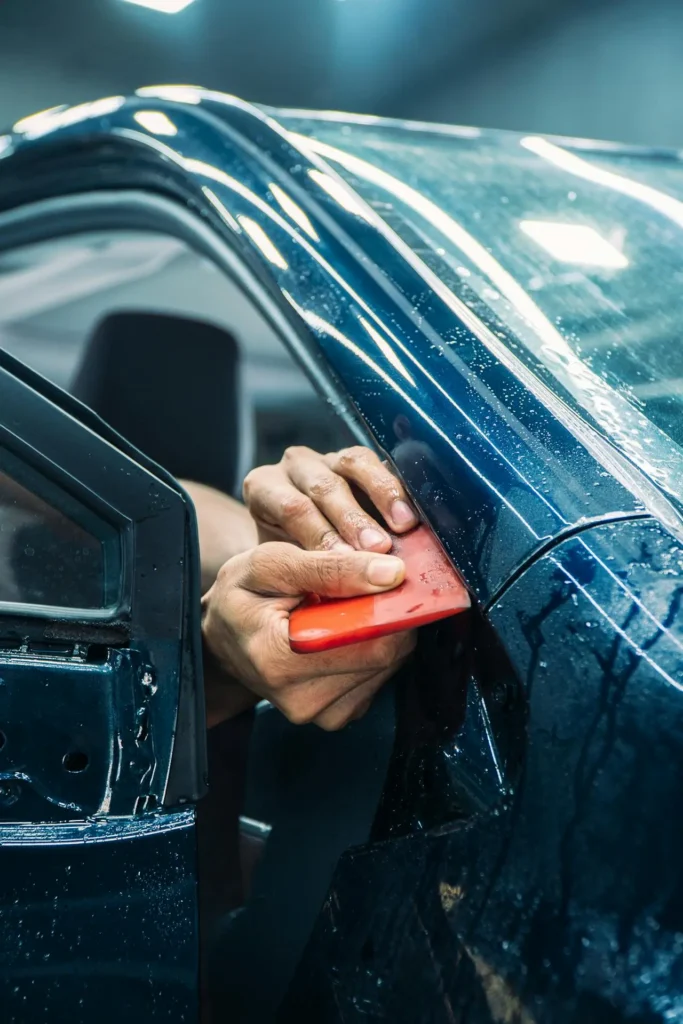 The Lifespan of PPF
The longevity of your PPF is impacted by many factors, including the quality of the film, the skill of the installer, and your maintenance and driving habits.
Vehicles that spend more time outdoors, encounter harsh weather, or see frequent highway driving may experience faster wear than garage queens, but in general, premium films like XPEL can be expected to last between 7 and 10 years.
Signs Your PPF is Starting to Fail
As the polymers age, clarity, elasticity, and self-healing properties may decline even if the film itself is still technically intact. Pay attention to the warning signs of deterioration to schedule a timely replacement.
1. Yellowing and Discoloration
Though most premium films contain UV inhibitors, years of sun exposure can still cause gradual changes in color. Over time, you may notice a yellowish tone, especially on white or light-colored vehicles.
Yellowed PPF is more than an aesthetic issue — it indicates that the protective outer layer is breaking down, leaving the film more vulnerable to staining and surface damage. If your once-clear film now appears tinted or uneven in color, it will likely need to be replaced to restore your vehicle’s clean, uniform look.
2. Cracking and Peeling
PPF is designed to flex and conform to your vehicle’s panels, but film loses its elasticity with age. When this happens, you may start to notice cracks, brittle sections, or lifting along edges and seams. These issues often begin in high-impact areas such as the front bumper, hood, or side mirrors.
Once edges begin to lift, dirt and moisture can work their way underneath the film. This both compromises the adhesive bond and increases the risk that trapped contaminants will scratch the underlying paint.
If you see peeling corners or areas where the film is separating from the surface, it’s a clear indication that replacement is overdue.
3. Cloudiness
High-quality PPF should enhance your vehicle’s finish with a smooth, glossy look. If your car has taken on a hazy or textured appearance, oxidation may have begun to break down the film’s outer layer.
When PPF loses its optical clarity, it no longer blends seamlessly with your paint. Deteriorating film makes even well-cared-for vehicles look old and poorly maintained.
4. Reduced Self-Healing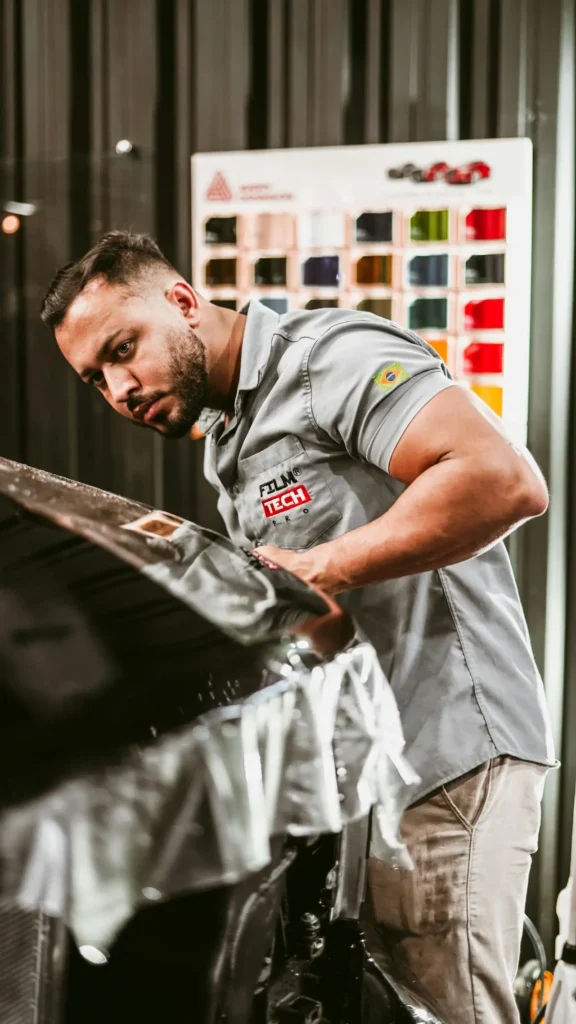
Functional PPF has self-healing properties that allow light swirl marks and scratches to disappear when the film is exposed to heat from the sun or warm water.
If you notice that surface damage is no longer disappearing the way it once did, the film’s elastomeric top layer may be breaking down, leaving your clearcoat vulnerable to damage.
5. Damage from Impacts
PPF is designed to absorb the impact of small debris, but repeated hits will eventually take their toll. Chips, deep gouges, and punctures are proof that the film has done its job, but its structural integrity is now compromised.
Damaged sections of film can’t provide consistent protection. Fortunately, in these situations, it may be possible to replace only the affected panels.
Why You Shouldn’t Wait to Replace PPF
If your PPF is approaching the end of its life, don’t wait for a total failure to schedule a replacement.
As film ages, its adhesive bond can harden and become difficult to remove cleanly. In severe cases, neglected PPF can crack during removal or leave behind stubborn adhesive residue that requires extensive detailing to remove.
Replacing your film in a timely manner helps preserve the condition of the underlying paint and allows installers to remove and replace it without extra labor and expense.
The Risks of DIY PPF Removal
If your PPF has started lifting, it can be extremely tempting to try to remove it at home. Before you start peeling, however, be aware of the risks.
Film that has been on your vehicle for many years has had time to bond tightly to its paint. Without the proper tools and a carefully-controlled heat source, it can tear into small fragments instead of lifting cleanly. This can leave behind patches of adhesive that require strong chemicals to dissolve.
Pulling the film at the wrong angle or speed can also cause it to snap, leaving portions still attached. Removing these fragments becomes a time-consuming process that greatly increases the likelihood of accidental paint damage.
Surface unevenness and left-behind adhesive will prevent new PPF from bonding properly, and the necessary professional correction can easily turn a money-saving DIY attempt into a compounded expense.
Planning Your Replacement
Routine maintenance care is an effective way to both extend the life of your PPF and stay proactive about replacements. An experienced installer can evaluate the condition of the film, identify areas of concern, and advise on whether full or partial replacement is necessary to keep your paint protected.
Whether you opt for full-coverage PPF or a clear bra for high-impact areas, replacing aging PPF before it fails helps maintain both the appearance and long-term value of your vehicle.
If your PPF is beginning to show its age, reach out to the detailing experts at ATD to refresh your protection and restore your vehicle’s flawless finish.